
A toggle plate transfers mechanical force through the jaw crusher’s toggle mechanism, converting motion into crushing action while also serving as a built-in safety point that protects the machine from sudden overload during operation.
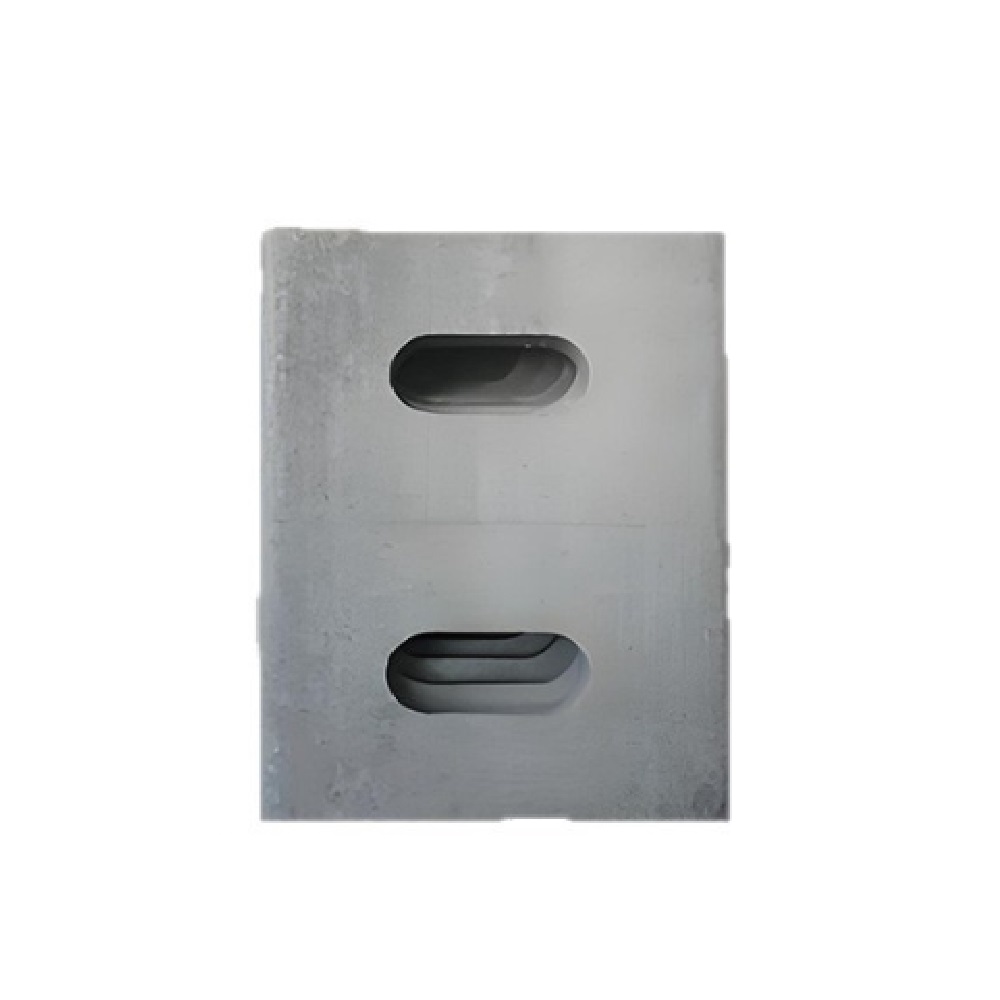
What Is a Jaw Crusher Toggle Plate and How Does It Work
Position Within the Toggle Mechanism
A Toggle plate sits between the pitman and the rear frame, forming a critical link in the mechanism that drives the swing jaw’s crushing motion. Its precise positioning determines how effectively force transfers through the assembly during each cycle. Among the various jaw parts that make up this mechanism, the toggle plate occupies one of the most mechanically demanding positions.
Transferring Motion Between jaw parts
As the eccentric shaft rotates, a Toggle plate transmits the resulting force to the swing jaw, translating rotational energy into the reciprocating motion needed for crushing. This transfer must remain consistent and precise across thousands of cycles. Reliable coordination between the toggle plate and surrounding jaw parts is essential for maintaining steady, predictable crushing performance over time.
Providing Mechanical Leverage During Crushing
Beyond simply transferring motion, a Toggle plate provides mechanical leverage that amplifies the force applied to the crushing chamber. This leverage effect allows the machine to generate substantial crushing power from a comparatively modest driving force. Because this function is central to overall crusher performance, the toggle plate ranks among the most functionally important jaw parts in the entire assembly.
The Working Principle Behind Toggle Plate Movement
Converting Rotational Force Into Crushing Motion
The working principle behind a Toggle plate centers on converting continuous rotational force from the eccentric shaft into the back-and-forth crushing motion of the swing jaw. This conversion happens through the geometric relationship between the toggle plate, pitman, and frame. Understanding this principle helps explain why precise angles and dimensional accuracy matter so much among the connected jaw parts.
Acting as a Safety Point for Overload Protection
One of the most important functions of a Toggle plate is serving as a designed safety point within the crushing system. If the machine encounters an uncrushable object or extreme overload, the toggle plate is engineered to give way before more expensive components sustain damage. This protective function is a deliberate design feature that safeguards the broader assembly of jaw parts.
Maintaining Precise Angles for Consistent Output
Consistent crushing output depends on a Toggle plate maintaining precise geometric angles throughout its range of motion. Any deviation in these angles affects how force transfers through the mechanism, potentially reducing crushing efficiency. High strength and rigidity help the component resist deformation under the reactive force generated during fragmentation, keeping surrounding jaw parts working in proper alignment.
What to Look for When Sourcing a Reliable Toggle Plate
Material Strength for Reliable Performance
A reliable Toggle plate is cast using high manganese steel, a material selected for its ability to withstand the reactive force generated during fragmentation while resisting cracking under repeated stress. This material choice extends service life significantly, particularly in operations processing harder rock. Buyers should confirm this specification directly, since it strongly influences long-term durability among critical jaw parts.
Dimensional Accuracy for Proper Fit With jaw parts
Because a Toggle plate must interface precisely with the pitman and frame, dimensional accuracy is essential for proper installation and consistent operation. Even minor sizing discrepancies can affect how force transfers through the mechanism. Buyers sourcing replacements should provide detailed drawings or original samples to ensure compatibility with existing jaw parts already installed in the machine.
Working With a Manufacturer Experienced in Custom Production
Because toggle plate specifications vary across crusher models, working with a manufacturer experienced in custom, non-standard production reduces the risk of dimensional mismatches. Custom orders typically involve drawing confirmation and casting steps that extend timelines beyond stock components. Buyers planning replacements for critical jaw parts should account for this variability when scheduling procurement ahead of anticipated wear.
Conclusion
A Toggle plate converts motion, provides mechanical leverage, and protects the crusher from overload damage. Sourcing a durable, precisely fitted replacement keeps jaw parts working reliably together over the long term.
FAQ
What does a Toggle plate do?
It transfers force through the toggle mechanism and protects the crusher from overload.
What material is used?
High manganese steel is used for strength and impact resistance.
Why does it break under extreme overload?
It is designed as a safety point to protect more expensive jaw parts.
Does it resist corrosion?
Yes, it offers good corrosion resistance for extended service life.
How long does custom production take?
Timelines vary depending on drawing confirmation and casting complexity.
Get a Custom Toggle Plate Quote
At Xian Huan-Tai Technology and Development Co., Ltd., 30 years of experience in customized non-standard mechanical parts stand behind every Toggle plate we produce. Our professional production and technical teams manage quality from casting through final inspection, delivering the strength and precision your crusher’s jaw parts require. Need a toggle plate matched to your machine’s exact specifications? Send your drawings to inquiry@huan-tai.org and let our team engineer a reliable fit.
References
- Voronov, D. “Mechanical Analysis of Toggle Mechanisms in Jaw Crusher Design.” International Journal of Mineral Processing.
- Abioye, K. “Overload Protection Systems in Rock Crushing Equipment.” Journal of Mechanical Design and Manufacturing.
- Renner, F. “High Manganese Steel Performance Under Cyclic Mechanical Stress.” Materials Science and Engineering Review.
- Villanueva, C. “Kinematic Principles of Single and Double Toggle Jaw Crushers.” Minerals Engineering Quarterly.
- Sorensen, L. “Precision Fit and Alignment Standards for Crusher Wear Components.” Journal of Materials Processing Technology.
