
An impact crusher’s crushing chamber walls are shielded from direct material impact and rough wear by a side liner plate. This OEM guide talks about how to choose the right materials, when to do upkeep, and where to get them so that workers can keep the crushing performance uniform.
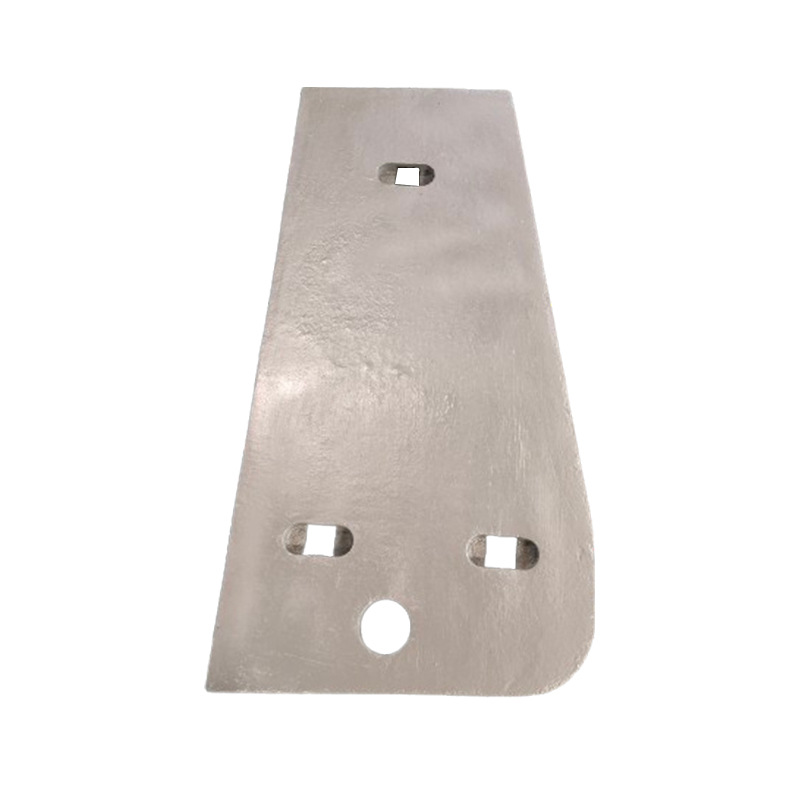
What Makes a Reliable Side Liner Plate for Impact Crushers
Material Composition for Durability
A reliable Side liner plate is usually made from alloy steel, high-manganese steel, high-chromium cast iron, or a combination of these materials. Each type of material has a different amount of stiffness and hardness. Choosing the right makeup for impact crusher parts relies on the hardness of the material being fed in, how much moisture is in it, and how fast it is expected to break down during continued use.
Casting Precision and Dimensional Accuracy
Lost-wax casting, resin sand casting, and V-method casting are some of the ways that Side liner plates are made that help make sure they meet tight dimensional tolerances. Precise casting cuts down on internal flaws and gaps, which is very important for impact crusher parts that need to fit tightly against chamber walls with no gaps that could let material slip through or cause uneven wear.
Resistance to Fracture Under High-Impact Loads
Impact crushers constantly hit their internal parts, so they need to be able to resist breaking. A well-designed side liner plate is very strong against breaking and impact force. This makes it ideal for high-load, high-strength work situations where other materials used for impact crusher parts might crack or weaken too soon.
When and How to Maintain Side Liner Plate Components
Recognizing Early Wear Indicators
Operators should check the Side liner plate often for uneven thickness, surface flaking, or cracks that can be seen along the edges of the mounting. If you notice these signs early, you can keep other parts of the impact crusher from getting damaged. This is because a worn inner plate can let material hit chamber surfaces that aren’t covered, speeding up wear across the whole crushing assembly.
Scheduling Replacement Around Production Cycles
Since production downtime costs money, many businesses plan to inspect and replace Side liner plates during planned maintenance windows instead of waiting for problems to happen. Scheduling the replacement of impact crusher parts for times when they are not in high demand helps both machinery manufacturers and repair shops keep crushing operations running smoothly.
Proper Installation for Balanced Performance
How long a Side liner plate lasts before it needs to be replaced is directly related to how well it was installed. Making sure that the mounting pressure is even and that the bolts are securely tightened helps spread the impact forces evenly across the part. This helps the part last longer and keeps nearby impact crusher parts from getting stressed out from the uneven stress that can come from bad installation.
Sourcing OEM-Grade Side Liner Plate for Long-Term Reliability
Matching Specifications to Original Equipment Drawings
Finding a Side liner plate that was built according to the original equipment plans is important because crusher types are very different from one company to the next. Custom production based on customer requirements helps buyers avoid the performance problems that come with impact crusher parts that don’t quite fit right, especially for machines with chamber configurations that aren’t very common.
Verifying Supplier Quality Control Processes
Reliable Side liner plate buying rests on providers keeping quality control up all the way through final finishing and checking the raw materials. When looking for sellers of impact crusher parts, buyers should look for organized checking processes that include hardness testing, measurement checks, and surface finish. This is because these steps have a direct effect on how well and how long a part works in real life.
Planning Lead Times for Custom Orders
Custom Side liner plate production can take a long time, especially if there are issues with the drawing, choosing the right material, or the casting being too complicated. When buying impact crusher parts, buyers should plan ahead for this and work with suppliers early so they don’t have to rush to find parts before scheduled maintenance.
Conclusion
Choosing a well-designed and well-fitted Side liner plate helps the impact crusher work consistently, cuts down on unexpected downtime, and increases the life of the parts around the crushing chamber.
FAQ
Which materials are most often used for side liner plates?
A lot of people choose alloy steel, high-manganese steel, high-chromium cast iron, and hybrid materials.
How can I tell when a side filler plate needs to be changed?
During regular check, look for uneven thickness, surface flaking, or cracks that can be seen along the edges of the plate.
Can side liner plates be changed to fit certain types of crushers?
Yes, production based on original equipment plans makes sure that the parts fit correctly and work properly.
What does the method of casting have to do with the quality of the liner plate?
Precision casting methods help keep tight dimensional tolerances and cut down on internal voids.
How long does it usually take to make a custom liner plate?
Lead times depend on how complicated the casting is for each order, how the drawing is confirmed, and what material is chosen.
Get in Touch With Us
We at Xian Huan-Tai Technology and Development Co., Ltd. have been making special, non-standard mechanical parts for 30 years. These include long-lasting Side liner plate parts designed for tough impact crusher uses. Our professional production and technical teams make sure that quality is maintained at every step, from choosing the materials to the final inspection, so you can be sure that the parts you receive will perform exactly as you need them to. Our team is ready to help you whether you need regular replacements or parts that are made just for you from your own plans. Email us at inquiry@huan-tai.org right now to talk about your crusher part needs.
References
- Doyle, M. — Wear Behavior of Chamber Liner Components in Impact Crushers
- Suarez, P. — Casting Process Selection for High-Wear Crushing Equipment
- Andersson, L. — Maintenance Scheduling Strategies for Aggregate Processing Machinery
- Kim, J. — Material Performance Under Repeated Impact Loading Conditions
- Morales, R. — OEM Sourcing Practices for Mining Equipment Replacement Parts
