
A lock block keeps the blow bar assembly firmly in place inside the rotor of an impact crusher. This keeps it from moving in a way that could be dangerous when the machine is running at high speeds. This safety-critical part is a key part of keeping both the tools and the people who use it safe from failure-related accidents.
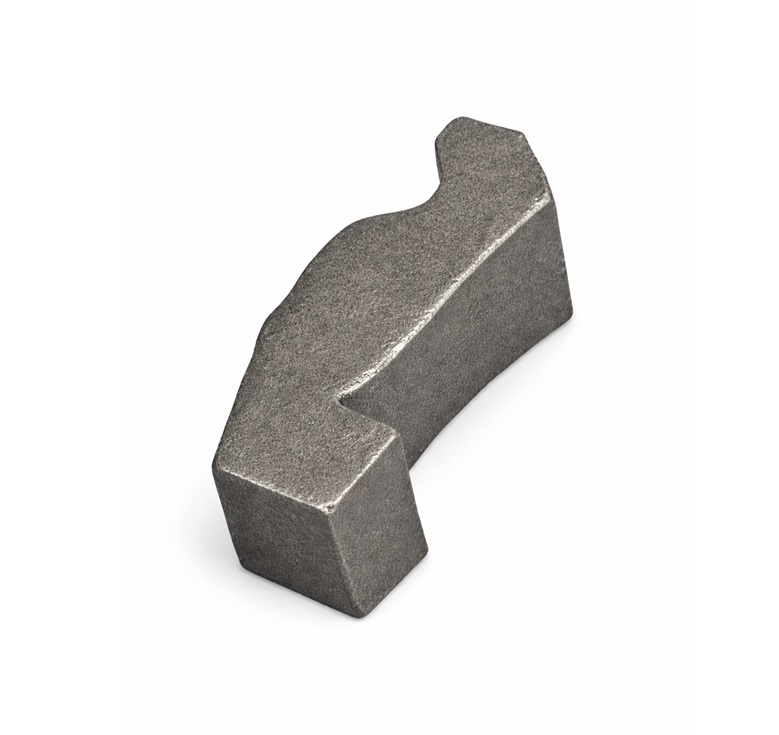
Why Lock Block Design Directly Affects Operational Safety
Securing Blow Bars Against Rotational Force
When an impact crusher is working, the rotor spins very fast, applying a lot of rotational force to parts inside the crusher. A well-designed Lock block keeps the blow bar firmly in place, stopping it from moving or becoming loose, which could cause an unbalance, strange vibrations, or quick movement of parts inside the crushing chamber.
Preventing Catastrophic Component Failure
If the locking mechanism isn’t strong, a blow bar that comes loose can do a lot of damage inside or pose a safety risk. A well-made lock block is an important safety measure because it spreads mechanical stress out widely and lowers the chance of sudden breakdowns that could stop production or put people working near the breaking equipment in danger.
Supporting Consistent Rotor Balance
Loose interior parts that throw off the balance of the rotor speed up wear throughout the whole system. A reliable Lock block helps keep the rotor’s geometry constant while it’s running. This makes the running more smoothly and lowers the secondary mechanical stress that imbalance can put on bearings, shafts, and other structural parts nearby.
What Materials and Manufacturing Methods Make Lock Blocks Reliable
Alloy Composition for High-Stress Environments
A reliable Lock block is usually made from alloy steel, high-manganese steel, high-chromium cast iron, or a mix of metals that are pressed together. Because the material is flexible, manufacturers can match the hardness and toughness of each part to the specific operating conditions. This makes sure that the locking mechanism works reliably even when the high-impact rotor is running all the time.
Precision Casting for Structural Integrity
Some ways of making lock blocks, like lost-wax casting, resin sand casting, and V-method casting, help make sure they are the right size and have the same density inside. This level of accuracy is very important for a safety-critical part because even small casting flaws could make it less secure that the block holds the other rotor parts in place.
Engineered for Fracture and Impact Resistance
A Lock block’s safety function means it needs to be very resistant to breaking and collision forces, so it can be used in places with a lot of load and power. Because it is so durable, the part can keep doing its job of locking reliably over a lot of operating cycles without getting cracks that could make the rotor less stable.
How Lock Blocks Fit Within Broader Crusher Safety Systems
Working Alongside Other Rotor Components
A Lock block is an important part of impact crushers for keeping things safe, and it works with other engineered parts in the crushing equipment industry as a whole. For example, hammer crushers use parts like the Crusher Hammer Head to break down materials. This shows how different types of crushers depend on parts that were specifically designed to work with their mechanical designs.
Reducing Unplanned Downtime Through Reliable Locking
When internal parts of equipment break because they are loose, it usually means unexpected downtime and expensive fixes. A well-kept lock block greatly lowers this risk, which helps companies that make and fix machines keep their scheduled work hours instead of having to deal with quick stops due to technical failures that could have been avoided.
Customization for Equipment-Specific Safety Requirements
Because impact crusher models have different rotor designs, getting a Lock block that was made according to the original equipment plans will make sure it fits right and works properly. Custom production based on customer requirements helps buyers avoid the safety risks that come with parts that don’t fit perfectly, especially for machines with rotor setups that aren’t used very often.
Conclusion
A well-designed Lock block is an important safety feature in impact crushers because it holds the blow bars in place, keeps the rotor balanced, and lowers the chance of expensive and dangerous equipment failure.
FAQs
Q1: What does a lock block in an impact crusher do most of the time?
It holds the blow bar unit in place so it can’t move in a way that could be dangerous when the rotor is running at high speed.
Q2: What kinds of materials are used to make lock blocks?
A lot of people choose alloy steel, high-manganese steel, high-chromium cast iron, and hybrid materials.
Q3: How does a lock block make things safer?
It lowers the chance of a rotor being out of balance and stops quick component movement that could lead to failure.
Q4: Can lock blocks be changed to fit different types of crushers?
Yes, making things from original equipment plans makes sure they fit correctly and securely.
Q5: How long does it usually take to make a custom lock block?
Lead times depend on how complicated the casting is, how the drawing is confirmed, and the material chosen.
Get in Touch With Us
We at Xian Huan-Tai Technology and Development Co., Ltd. have been making custom, non-standard mechanical parts for 30 years. These include safety-critical lock block components designed for tough impact crusher uses. Our skilled production and expert teams make sure that quality is maintained at every step, from choosing the materials to the final review. This way, we can be sure that the parts we make meet all of your performance and safety needs. Our team is ready to help you whether you need regular replacements or parts that are made just for you. Email us at inquiry@huan-tai.org right now to talk about the parts you need for your crusher.
References
- Bramwell, S. — Rotor Safety Systems in Impact Crushing Equipment
- Ferreira, A. — Component Failure Analysis in High-Speed Crushing Machinery
- Nakamura, H. — Casting Precision and Structural Reliability in Mining Equipment
- Delgado, V. — Material Selection for Safety-Critical Crusher Components
- Wren, T. — Preventive Maintenance Practices for Aggregate Processing Equipment
