
When you compare different types of steel for impact plates, you can find the best material for your grinding job. Impact plates are broken up over and over again, so choosing the right grade—high manganese steel, alloy steel, or high-chromium cast iron—has a direct effect on how long they last and how much they cost. This comparison shows how well each material works in real-world mining and aggregate uses.
It’s not a guessing game to pick the right steel grade. To get the most long-term value, you need to know how impact plates react to load, abrasion, and shock, and then match those properties to your feed conditions.
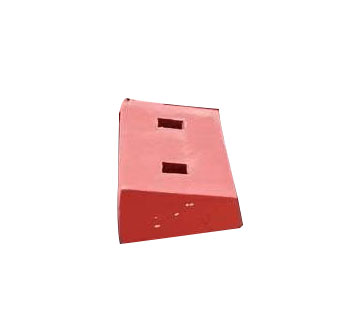
What Steel Grades Are Used for Impact Plates?
High Manganese Steel Properties
High manganese steel is sought after for impact plates because the surface gets harder after being hit repeatedly while the core stays tough. Because of how they are made, the plates can handle big shocks without breaking. When it comes to high-impact crushing, impact plates made of high manganese steel are very resistant to breaking and impact force. They work reliably in high-load, high-strength environments where sudden stress is constant.
Alloy Steel Characteristics
Alloy steel impact plates are the right amount of tough and hard, so they can handle a wide range of feed rates. They don’t wear down easily and are still flexible enough to handle a quick hit. When your business deals with mixed or fairly rough materials, alloy steel impact plates work reliably and can be used for a variety of everyday breaking jobs.
High-Chromium Cast Iron Features
High-chromium cast iron makes impact plates that are very hard and don’t wear down easily when used with abrasive feed. Its dense microstructure keeps the surface from wearing away much longer than softer grades. Composite impact plates have a hard cast iron face and a tough backing. This gives them both wear resistance and impact strength, which means they last longer in the roughest breaking circumstances.
How Do Steel Grades Compare in Performance?
Impact and Fracture Resistance
Because they get tougher over time, high manganese steel impact plates are the best at withstanding hard hits. Alloy steel comes in second, with balanced shock resistance. In every case, well-cast impact plates have a high resistance to breaking and impact force. This means they can handle the reactive forces that are created when high loads are broken up over and over again.
Wear and Abrasion Resistance
When it comes to wear, high-chromium cast iron impact plates last the longest when they are used with grinding, gritty feed. High manganese steel wears down more slowly but gets stronger as it does. If you choose the right grade, the abrasion resistance will be right for your rock type. This will make the impact plates last longer and lower your cost per tonne crushed.
Dimensional Accuracy from Casting
How the impact plates are cast also affects how well they work. Techniques like lost-wax, resin sand, and the V-method make sure that the dimensions are correct and the surfaces are clean. Accurately made impact plates fit tightly, are easier to install, and operate with less shaking. This keeps the output steady and predictable while protecting both the plates and the crusher.
How to Choose the Right Grade for Your Application?
Matching Grade to Feed Type
Start with your feed. High-chromium cast iron impact plates work best with abrasive rock, while high manganese steel plates work best with high-impact material. Mixed conditions are good for alloy steel. By matching grade to feed characteristics, you can keep your impact plates from breaking down too soon and make sure they have the right amount of hardness and toughness for your application.
Balancing Cost and Longevity
The cost-to-life ratio is different for each grade. Premium impact plates may cost more at first, but they last longer in harsh conditions, so they don’t need to be replaced as often. For lighter duty, a cheaper grade of impact plates might be a better deal. Your crushing budget will work well if you compare the original cost to the expected service life.
Confirming Fit and Specifications
Even the best grade underperforms if impact plates do not fit correctly. Verifying dimensions against your crusher drawings ensures secure mounting and stable operation. Precisely cast impact plates matching your specifications install cleanly and run reliably, reducing vibration-related wear and helping the entire crusher deliver consistent results shift after shift.
Conclusion
Comparing steel grades shows that impact plates in high manganese steel excel at shock resistance, alloy steel offers versatility, and high-chromium cast iron leads in abrasion. Matching grade, casting quality, and fit to your feed ensures the best performance and value.
FAQ
Q1: Which steel grade is best for impact plates?
It depends on feed. High manganese steel handles impact, alloy steel offers versatility, and high-chromium cast iron resists abrasion best.
Q2: Do casting methods affect impact plate quality?
Yes. Lost-wax, resin sand, and V-method casting ensure dimensional accuracy, improving fit, stability, and overall service life.
Q3: How do I match a grade to my feed?
Assess whether your rock is abrasive or high-impact, then select the grade whose hardness and toughness suit those conditions.
Q4: Are premium impact plates worth the cost?
Often yes. In harsh conditions, premium plates last longer, reducing replacement frequency and lowering overall cost per ton.
Q5: How long does producing custom impact plates take?
Lead times vary. Custom plates may take longer when drawings require repeated confirmation or specific casting processes are involved.
Partner With Huan-Tai for the Right Steel Grade
Not sure which grade fits your crusher? At Xian Huan-Tai Technology and Development Co., Ltd., our 30 years of industry experience, skilled production team, and expert engineers help you select and cast the perfect impact plates for your feed. With full-process quality control and dependable delivery, we give mining and machinery buyers the consistency they trust. Contact us today for expert guidance and a tailored quote—email inquiry@huan-tai.org.
References
- Davis, J. R. ASM Specialty Handbook: Cast Irons.
- Wills, B. A., & Finch, J. A. Wills’ Mineral Processing Technology.
- Campbell, John. Complete Casting Handbook: Metal Casting Processes, Metallurgy, Techniques and Design.
- Gupta, A., & Yan, D. S. Mineral Processing Design and Operations: An Introduction.
- Bhushan, Bharat. Introduction to Tribology.
