
The side plate is an important safety part of any jaw crusher because it protects the frame walls from rough materials and constant impact. It costs a lot to fix and downtime goes up when it cracks or runs out too quickly. This guide shows why side plates get damaged and how the right choice of material, fitting, and care can make them last a lot longer in mining and gravel operations.
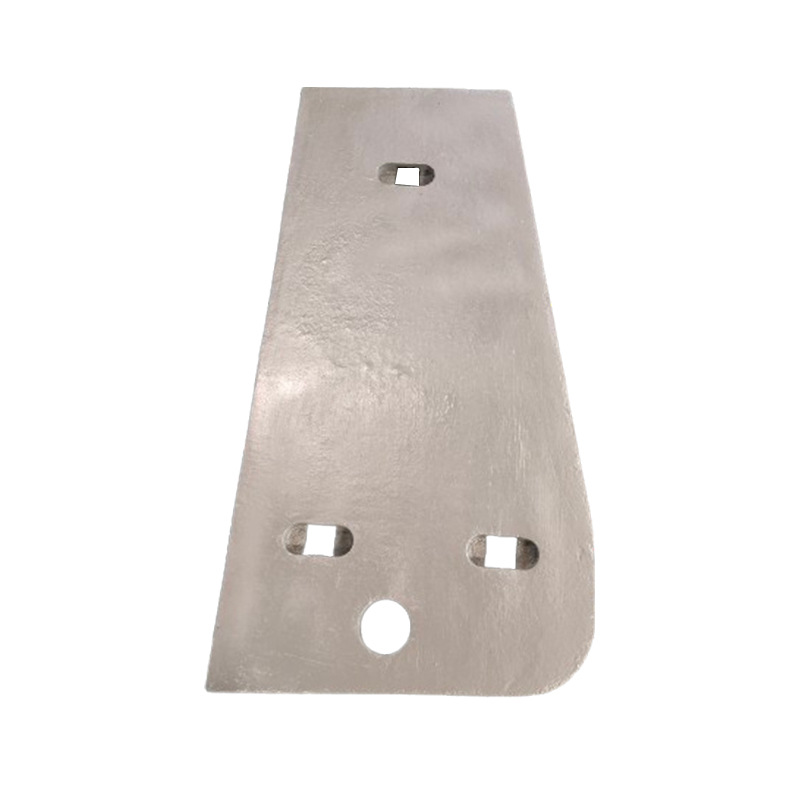
Why Do Jaw Crusher Side Plates Fail?
Continuous Abrasion from Hard Rock
In places where breaking is necessary, the side plate is constantly in touch with rough, sharp stone. Feeding harder rocks like granite or basalt speeds up surface wear, which makes the plate thinner over time until it breaks. A good side plate made of high manganese steel is much more resistant to this kind of wear and tear. It also has good rust resistance and can handle harder rocks without breaking down quickly during long production runs.
Impact and Reactive Fracturing Force
Each turn of crushing creates strong reaction forces that move through the room walls. If the side plate isn’t strong and stiff enough, it could crack from the repeated shocks. Components that are designed to be very strong and rigid are able to handle the force of fragmentation and spread stress evenly. For reliability, it is important to choose a side plate that is made to take impact over a thin, low-quality one.
Poor Fit and Loose Fastening
If the side plate isn’t properly placed, it will move around while the machine is running, leaving holes where material can get in and grind against the frame. The vibrations then make the nuts looser, which lets them move even more and cause random wear. It’s very important that the sizes are correct here. A side plate that fits perfectly against the crusher body and doesn’t move around stops play. This keeps the plate and the structure around it from getting mechanical damage that could have been avoided.
What Material Makes a Durable Side Plate?
High Manganese Steel Advantages
High manganese steel is still the standard for a strong side plate in the business. When hit over and over, the surface gets harder while the body stays tough. This makes it very resistant to both shock and wear. The side plate is made of this high-quality steel, which means it can withstand breaking forces and last a long time. This makes it perfect for mining equipment that has to deal with tough, rough feed materials every day.
High Carbon Steel for Strength
High carbon steel is another tried-and-true choice for situations that need extra strength. High carbon steel is used to make the side plate, which gives it the strength to not bend under long-term load. This choice of material is both very hard and very durable, so the plate will keep its shape even when the breaker is running at full speed for long periods of time without needing to be replaced often.
Matching Material to Application
The best material for the side plate will depend on the type of feed and the amount of work that needs to be done. When the material is soft, cheaper grades may work, but when the rock is hard, it needs high-quality manganese or carbon steel castings. If you choose the right alloy steel or cast steel, the side plate will be a good balance between cost and durability, preventing both over-specification and failure in the field before it’s time.
How Can You Prevent Side Plate Damage?
Regular Inspection Schedules
The easiest way to protect your side plate is to check it regularly. During routine maintenance, looking for cracks, thinning, or loosened bolts lets you find problems early on, before they get worse and cause major fails. Keeping track of wear rates also helps you figure out when to change the side plate, so you can order a new one ahead of time and avoid having to stop production during busy times.
Correct Installation Practices
How long a side plate lasts is directly related to how well it was installed. Making sure the plate fits squarely, tightening the bolts to the right level, and checking the alignment all stop the movement that speeds up wear. When a new side plate exactly fits the original plans, it’s easy to put it in place and there’s a much lower chance of damage from not fitting right, which keeps the crusher going easily.
Balanced Feeding Control
When you overfeed or add things that can’t be crushed, you put a lot of stress on the side plate and chamber. Keeping the feed distribution even and under control cuts down on impact zones that wear plates unevenly. Along with a strong side plate that can handle impact force, strict feeding habits will protect your investment and help the whole crushing system work consistently and reliably for its entire lifetime.
Conclusion
Wear, impact, and a bad fit can damage the side plates of a jaw crusher. Picking high manganese or high carbon steel castings, making sure they are installed correctly, and inspecting them regularly will all help to extend their service life and keep your crushing business going smoothly and cost-effectively.
FAQ
Q1: What is the best material for a jaw crusher side plate?
High manganese steel is preferred for its work-hardening surface and tough core, while high carbon steel suits applications needing extra rigidity and strength.
Q2: How often should I inspect the side plate?
Inspect during every scheduled maintenance cycle, checking for thinning, cracks, and loose fasteners to catch wear before it causes major failures.
Q3: Can side plates handle very hard rock?
Yes. A quality side plate cast from high manganese steel offers good corrosion resistance and performs well with harder rocks under heavy impact.
Q4: What causes premature side plate failure?
Continuous abrasion, repeated fragmentation forces, and improper fitment are the main causes, often worsened by overfeeding or uncrushable material.
Q5: How long does a custom side plate take to produce?
Lead times vary. Custom parts may take longer when drawings require repeated confirmation or when specific processes are involved.
Partner With Huan-Tai for Reliable Crusher Parts
Ready to eliminate costly downtime? At Xian Huan-Tai Technology and Development Co., Ltd., our 30 years of industry experience, professional production and technical teams, and full-process quality control ensure every customized side plate meets your exact performance needs. From engineering to on-time delivery, we bring stability and consistency you can trust. Contact us today for a tailored quote and let our experts solve your crusher wear challenges—email inquiry@huan-tai.org.
References
- Wills, B. A., & Finch, J. A. Wills’ Mineral Processing Technology: An Introduction to the Practical Aspects of Ore Treatment and Mineral Recovery.
- Gupta, A., & Yan, D. S. Mineral Processing Design and Operations: An Introduction.
- Metso Corporation, edited by Jaakko Leinonen. Crushing and Screening Handbook.
- Napier-Munn, T. J., Morrell, S., Morrison, R. D., & Kojovic, T. Mineral Comminution Circuits: Their Operation and Optimisation.
- Lynch, A. J., & Rowland, C. A. The History of Grinding.
