
There are three main things to consider when picking the right heavy duty cylinder for mining equipment: how well it handles pressure, how well it stays together, and how long it will last in harsh conditions. These hydraulic parts make it possible for excavators, loaders, drilling rigs, and other tracked or wheeled mining tools to lift, push, and turn. Continuous high-pressure operation on a cylinder that doesn’t leak or lose its structural integrity is what keeps the equipment working and the repair plan doable.
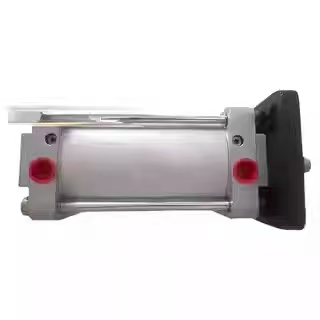
What to Look for in a Heavy Duty Cylinder for Mining Applications
Pressure Resistance and Seal Integrity
In mining equipment, hydraulic systems often work at high pressures, and the Heavy Duty Cylinder has to be able to handle repeated pressure cycles without the seal breaking or the body deforming. A cylinder that doesn’t get damaged or leak when high-pressure hydraulic oil hits it over and over again keeps the whole hydraulic system safe, which keeps pumps, valves, and motors from getting damaged further down the line. Seal quality isn’t just a matter of performance; in deep or remote mines, a hydraulic leak can pose a safety risk and cause a lot of unexpected downtime.
Material Strength for Underground Conditions
Heavy Duty Cylinders need to have their barrel, end caps, and fastening surfaces made of materials that can handle both the hydraulic pressure inside and the mechanical loads from the outside of the machine. High-quality cast iron or steel is the best material because it is tough and has the tensile strength to handle shock loads and vibrations without cracking. It can also be machined precisely to very tight hole tolerances. These features are especially important in deep mines, where getting new parts is hard and expensive.
Structural Design and Load Capacity
A well-designed Heavy Duty Cylinder spreads the mounting loads and internal pressure forces widely across its body. This keeps stress levels low at welds, ports, and connection points. Because the structure is well thought out and the casting and processing are done perfectly, the cylinder can handle continuous high loads without failing early from wear. For mine equipment that works in shifts over rough terrain, this structural discipline is what makes the difference between a cylinder that lasts as long as it’s supposed to and one that breaks down early.
Key Performance Factors That Set Mining Cylinders Apart
Bore Size and Stroke Length
The heavy duty cylinder’s power output and range of motion are based on its head width and stroke length. Larger size cylinders can handle heavy pulling and digging with a lot of resistance because they produce more force at the same working pressure. The stroke length needs to be right for the machine’s mechanical connection design. If it’s too short, the machine loses its working range, and if it’s too long, the cylinder can be loaded from the side. For solid efficiency, it’s important to get these factors right from the beginning of the design process.
Surface Treatment and Corrosion Protection
The heavy duty cylinder‘s piston rod is one of the most wear-prone parts of the hydraulic system because it constantly moves out and back while being exposed to the rough dust, water, and chemically active groundwater that are common in mines. Hard chrome polishing or other surface treatments on the rod greatly increase the seal’s life and lower the chance of scoring, which leads to early leaking. On the cylinder body itself, there are protective layers that keep it from rusting in deep and open-pit activities.
Ease of Maintenance and Replacement
Heavy Duty Cylinders, even the best ones, will need to be serviced or replaced at some point. An easy-to-disassemble design with available seal holes, standard port threads, and sensible end cap setups cuts down on workplace time and makes it easier for repair workers to do their jobs. It saves time and money to maintain equipment over its lifetime if the cylinders are easy to install and change. This is especially important for mining companies that have to keep a large number of tools running at all times.
How to Source and Customize Heavy Duty Cylinders
Matching Cylinder Specs to Your Machine
Before you place your order, make sure that the hole diameter, rod diameter, stroke length, attachment style (flange, clevis, or trunnion), and port thread specifications match the hydraulic circuit design of your machine. When you need to change something, it’s best to cross-reference with the OEM part number or give a thorough picture. If the dimensions of a Heavy Duty Cylinder are wrong, it will either not fit or, worse, work outside of its design parameters and break down early, which will cost a lot more than the original part.
Custom Cylinders for Non-Standard Equipment
Cylinders that don’t fit normal catalog measurements are often needed for older mining machines, specialized equipment, or machines that have been changed while they are in use. In these situations, the best thing to do is have something made just for you from models or samples you provide. Lead times for custom Heavy Duty Cylinders depend on how complicated the drawing is, how readily available the material is, and how many rounds of specification confirmation are needed. Designs that are easier to make can go through production faster, but designs that have special geometric or material needs may take longer to finish correctly.
Quality Assurance You Can Rely On
Every Heavy Duty Cylinder destined for mining service should be pressure-tested, dimensionally inspected, and surface-checked before shipment. Receiving a cylinder that doesn’t meet standards is not only a hassle for operations that are far away or underground; it can also mean weeks of extra wait time and big operational costs. When sourcing and engineering teams work with a maker that records and shares inspection results, they can be sure that they can put parts without worrying, and if any problems appear later in service, they can easily find the source of the problem.
Conclusion
The best heavy duty cylinder for mining equipment has a design that is made for industrial use, quality cast material, accurate cutting, and a pressure range that has been tested. Everything about the cylinder’s specs, from the quality of the seals to how easy they are to change, affects how much it costs to run and how reliable the machine is. The most surefire way to get it right is to buy from a company that can actually make it and has strict quality control.
FAQ
Q1: What kind of materials are used to make Mining-Grade Heavy Duty Cylinders?
High-quality cast iron or steel is usually used to make barrels and end caps because it is strong, tough, and easy to machine in high-pressure environments.
Q2: How do I prevent hydraulic leaks in a Heavy Duty Cylinder?
The best ways to avoid this are to use cylinders with seals that are rated correctly, keep the hydraulic fluid clean as directed, and quickly replace any old rods or seals.
Q3: Can Heavy Duty Cylinders be changed to fit tools that aren’t standard?
Yes. Drawings or models can be used to make custom cylinders that have the exact bore, stroke, mounting, and port sizes that your equipment needs.
Q4: In general, how long does a mining Heavy Duty Cylinder last?
How long a service lasts relies on the working pressure, job cycle, and quality of upkeep. When cylinders are made with good cast material and the right surface treatment, they usually last longer between overhauls.
Q5: What should be done to check a Heavy Duty Cylinder before it is installed?
Before installing, look for cutting on the rod’s surface, make sure the port threads are in good shape, make sure the hole is clean, and look over the supplier’s pressure test and measurement inspection records.
Ready to Source Heavy Duty Cylinders That Perform?
Every part we make at Xian Huan-Tai Technology and Development Co., Ltd. is backed by 30 years of manufacturing experience and a production team that oversees quality from the raw materials to the final review. Our expert team works directly with clients to make sure that standards are met and that the products work well in mining and industrial settings. We can give you Heavy Duty Cylinders that are either stock or fully personalized. Send your drawings or inquiry to inquiry@huan-tai.org — let’s solve your sourcing challenge together.
References
- Esposito, A. (2008). Fluid Power with Applications (7th ed.). Pearson Prentice Hall. Chapters on hydraulic cylinder design, pressure ratings, and selection criteria for industrial applications.
- Manring, N. D. (2005). Hydraulic Control Systems. John Wiley & Sons. Coverage of hydraulic actuator performance under high-pressure cyclic loading conditions.
- Fitch, E. C., & Hong, I. T. (1998). Hydraulic Component Design and Selection. BarDyne Inc. Detailed guidance on cylinder bore sizing, rod selection, and seal system design for heavy equipment.
- Peng, S. S. (2006). Longwall Mining (2nd ed.). West Virginia University Press. Section on hydraulic system requirements for underground mining machinery including cylinder specifications.
- Watton, J. (2009). Fundamentals of Fluid Power Control. Cambridge University Press. Analysis of hydraulic cylinder behavior under variable load and pressure conditions relevant to mining equipment operation.
