
Yes, the bearings fit directly inside the gearbox housing in almost all industrial gears. The housing has precision-bored seats that hold each bearing in place and keep the gear shafts in the right place in relation to each other. Because of this, the cage needs to be the right size and strong enough to keep the bearing in place under both static weight and the moving loads that happen during power transfer.
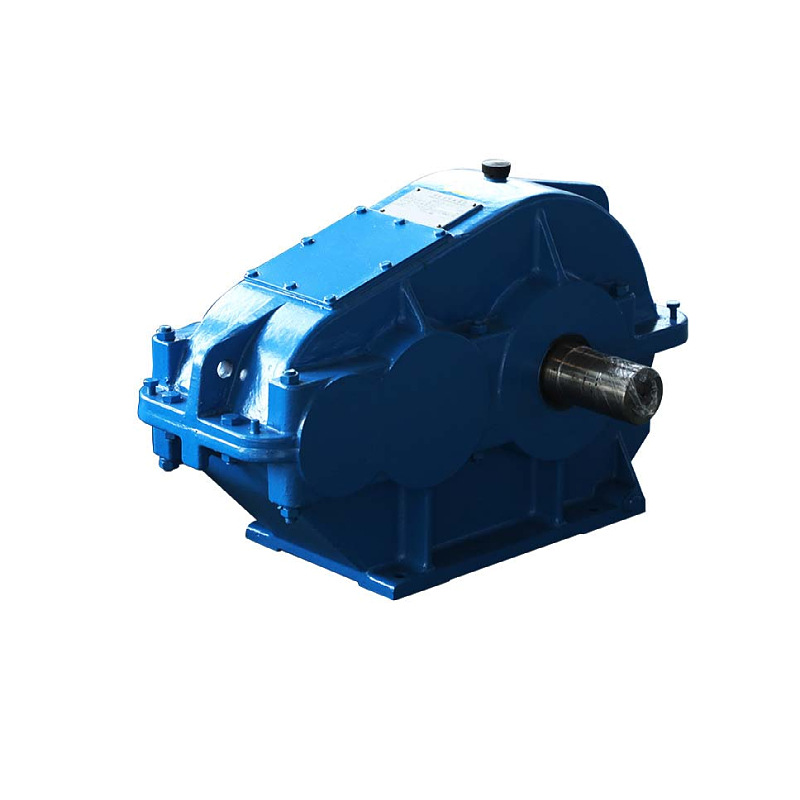
How Bearings Are Mounted Inside a Gearbox Housing
Press-Fit and Interference Fit Bearing Seats
An interference fit is the most common way to place something. The outer ring of the bearing is pressed into a hole that has been cut into the gearbox housing to a precise size. The bearing can’t turn in its place when it’s under load, because that would lead to stressing and fast wear. When the bearing seats are being machined, they must all have very tight standards for the hole width, roundness, and surface finish of each one. Any departure from the specifications will cause the bearings to fail early and the gears to become out of line.
Bearing Caps and Retaining Features
Many gearbox designs use bolted bearing caps or retaining rings to secure bearings axially within the gearbox housing. The cap clamps against the bearing outer face, preventing axial movement as shaft loads change direction during operation. In heavy industrial and mining gearboxes, these caps are substantial machined components in their own right, designed to handle significant thrust loads. The housing must be cast with sufficient wall thickness around the bearing bores to provide the structural support that cap bolting requires.
Split Housing Designs for Maintenance Access
In larger industrial gearboxes, the gearbox housing is split horizontally at the shaft centerline, allowing the upper half to be lifted off for bearing inspection and replacement without disturbing the lower half or dismantling the surrounding equipment. This split-line design places extra demands on casting and machining quality — the mating faces must be flat and parallel to ensure proper sealing and accurate re-assembly of bearing seat geometry. For mining equipment gearboxes in continuous service, this design feature can significantly reduce maintenance downtime.
Why Gearbox Housing Quality Directly Affects Bearing Performance
Dimensional Accuracy of Bearing Bores
The bearing seats in a gearbox housing must be machined to precise diameter, cylindricity, and positional tolerances. If the bore is oversized, the bearing outer ring will spin under load. If it is undersized, the bearing may be overstressed during assembly. If bearing centers are out of position, gear mesh geometry is compromised and tooth loads concentrate unevenly, accelerating wear. The reasonable structural design and precise processing during casting and machining are what allow these tolerances to be held consistently across production batches.
Structural Rigidity Under Load
A gearbox housing that deflects under operating load will shift bearing positions dynamically, causing the gear mesh to vary from its designed contact pattern. High-quality cast iron or cast steel provides the rigidity and damping characteristics needed to minimize this deflection in heavy-duty applications. In mining and engineering machinery, where gearboxes handle high torque and shock loading from variable ground conditions, housing rigidity is not just a precision issue — it directly determines how long the bearings and gears last in service.
Leak Prevention and Hydraulic Stability
Many industrial gearboxes operate with pressure-fed lubrication circuits, and the gearbox housing must remain leak-free under continuous oil pressure. A housing that leaks at bearing cap joints or casting porosity points not only loses lubricant but allows contaminants to enter the gear cavity. The housing must remain undamaged under the continuous impact of pressurized oil flow to ensure system stability. This requires both sound casting practice — free from shrinkage defects — and precise machining of all sealing faces and port threads.
Sourcing and Customizing Gearbox Housings for Industrial Equipment
Matching Housing Geometry to Your Gearbox Design
When sourcing a replacement or custom gearbox housing, the critical dimensions are the bearing bore sizes and positions, shaft center distances, mounting foot geometry, and oil port locations. Even small errors in center distance will prevent correct gear mesh and make the housing unusable regardless of how well everything else is made. Providing detailed engineering drawings or a verified sample to the manufacturer is the most reliable way to ensure dimensional accuracy, particularly for non-standard or legacy equipment designs.
Custom Manufacturing Lead Time
Standard gearbox housing profiles for commonly used industrial gearbox platforms can be produced within a manageable timeframe. Custom housings — especially those requiring new casting patterns, complex internal geometry, or multiple rounds of drawing confirmation — naturally take longer. The manufacturing process involves pattern making, casting, heat treatment, and multi-stage CNC machining, and each step needs to be completed correctly before the next begins. Communicating your project schedule clearly at the inquiry stage helps align production planning and avoid surprises.
Inspection Before Delivery
A gearbox housing should be dimensionally inspected at all critical bearing bore and mounting surfaces before shipment. Castings should also be checked for porosity or inclusions that could compromise structural integrity under operating loads. For mining and engineering equipment customers managing tight maintenance windows, receiving a part that passes inspection on arrival — rather than discovering issues during assembly — saves significant time and cost. Reputable suppliers provide inspection documentation as a standard part of the delivery package.
Conclusion
Bearings in a gearbox do mount in the housing, and the quality of that housing determines how well the bearings perform and how long they last. From bore accuracy to structural rigidity and leak resistance, the gearbox housing sets the foundation for the entire drivetrain. For mining and industrial equipment applications, sourcing a housing from a manufacturer who understands these demands is essential to keeping machines running reliably.
FAQ
Q1: Why does bearing fit in the Gearbox Housing matter so much?
An incorrect fit — either too loose or too tight — causes bearing failure. A loose fit allows the outer ring to spin and wear the housing bore; an overly tight fit can crack the bearing ring during assembly.
Q2: What material is best for a heavy-duty Gearbox Housing?
High-quality cast iron or cast steel are the standard choices for industrial and mining gearboxes, offering the rigidity, damping, and machinability needed for precision bearing seat production.
Q3: Can a Gearbox Housing be repaired if a bearing bore wears oversize?
In some cases, bores can be sleeved or re-machined to restore tolerance. However, for heavily worn or structurally compromised housings, replacement is the more reliable and cost-effective solution.
Q4: How do I specify a custom Gearbox Housing?
Provide bearing bore diameters and tolerances, shaft center distances, mounting dimensions, port locations, and material grade. Engineering drawings or a physical sample are the most complete references.
Q5: What causes Gearbox Housing to leak at bearing locations?
Common causes include worn or missing seals, casting porosity, damaged bearing cap faces, or incorrectly torqued cap bolts. Regular inspection of these areas helps catch leaks before they cause lubricant loss or contamination.
Partner With a Manufacturer Who Gets the Details Right
At Xian Huan-Tai Technology and Development Co., Ltd., we’ve spent over 30 years producing precision cast and machined parts for industrial and mining equipment customers worldwide. Our production team manages quality through every stage — casting, machining, inspection — and our technical team works directly with clients to confirm specifications before production begins. If you need a standard or custom Gearbox Housing that performs exactly as required, send your drawings or inquiry to inquiry@huan-tai.org and let’s get started.
References
- Shigley, J. E., & Mischke, C. R. (2001). Mechanical Engineering Design (6th ed.). McGraw-Hill. Chapters on gearbox design, bearing selection, and housing fit tolerances for industrial applications.
- Harris, T. A., & Kotzalas, M. N. (2006). Rolling Bearing Analysis: Essential Concepts of Bearing Technology (5th ed.). CRC Press. Coverage of bearing mounting fits, housing bore tolerances, and interference fit selection.
- Budynas, R. G., & Nisbett, J. K. (2011). Shigley’s Mechanical Engineering Design (9th ed.). McGraw-Hill. Section on gearbox housing structural requirements and bearing seat design.
- Niemann, G., Winter, H., & Höhn, B. R. (2005). Maschinenelemente Band 2: Getriebe allgemein, Zahnradgetriebe. Springer. Analysis of gearbox housing design principles for industrial gear systems (German-language reference, widely cited in mechanical engineering literature).
Peng, S. S. (2006). Longwall Mining (2nd ed.). West Virginia University Press. Section on drivetrain and gearbox requirements for underground mining machinery including housing material and maintenance considerations.
