
A side plate lines the inner walls of a jaw crusher frame, shielding the machine’s structural body from direct abrasion and impact during every crushing cycle. As one of the key jaw crusher components, it keeps material contained within the crushing chamber, protects the frame from accelerated wear, and plays a quiet but critical role in keeping the machine running reliably over the long term.
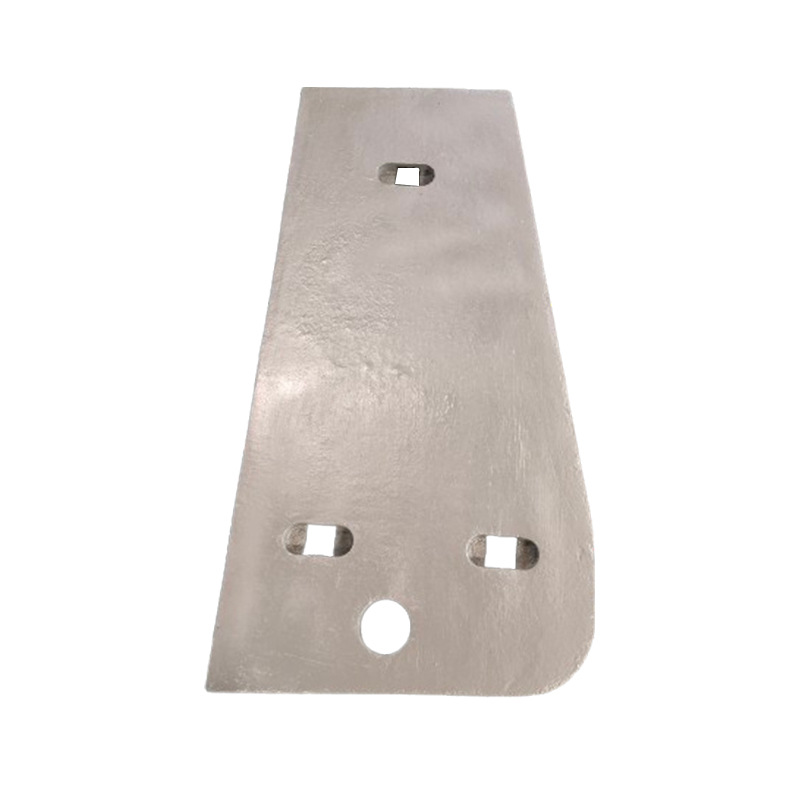
What Function Does the Side Plate Serve Among Jaw Crusher Components?
Protecting the Crusher Frame from Direct Wear
The crusher frame is the most expensive structural element in the machine — replacing it means a major overhaul. The side plate stands between the frame and the constant abrasion of crushed material, taking the wear load so the frame doesn’t have to. Among all jaw crusher components, this protective function is one of the most cost-effective, turning a potential structural repair into a routine wear part replacement.
Containing Material Within the Crushing Chamber
If the lateral walls of the crushing chamber are not properly protected, fine material works its way into gaps and causes secondary abrasion damage to the frame and adjacent jaw crusher components. A well-fitted side plate seals these surfaces, keeping the material flow directed downward through the chamber and ensuring consistent output. This containment function also reduces dust migration, which helps protect other components from contamination-related wear.
Supporting Consistent Output Quality
The geometry of the crushing chamber directly affects product size distribution. When the side walls wear unevenly or lose dimensional integrity, the chamber shape changes — leading to irregular output and unpredictable gradation. A high-quality side plate maintains its profile over an extended service life, helping the entire set of jaw crusher components perform as designed and keeping product quality stable between maintenance intervals.
Why Does Side Plate Material Quality Matter So Much?
High Manganese Steel for High-Impact Environments
Side plates cast from high manganese steel are the standard choice for demanding jaw crusher applications in mining and quarrying. High manganese steel work-hardens under repeated impact, meaning its surface becomes progressively tougher during operation. This property makes the side plate increasingly resistant to wear as the machine runs — a genuine performance advantage over softer materials that simply erode away. It also handles harder rock types, including granite and basalt, without cracking.
High Carbon Steel as a Reliable Alternative
For applications where hardness is the primary requirement and impact levels are somewhat lower, high carbon steel offers a cost-effective side plate option. It provides good rigidity and strength, and performs well in dry crushing environments. Both high manganese steel and high carbon steel deliver good corrosion resistance, which matters for jaw crusher components operating outdoors or in wet quarry conditions where weather and moisture accelerate material degradation.
Strength and Rigidity Under Reactive Force
Every time the jaw crusher breaks rock, a reactive force radiates outward through the crushing chamber walls. The side plate must absorb this force without flexing or cracking — a requirement that places high demands on the casting quality and material strength. A side plate with high rigidity distributes this load evenly across its body, protecting both itself and the frame behind it. This is why material selection and manufacturing process control are not details to overlook when sourcing jaw crusher components.
How Should You Approach Side Plate Procurement and Replacement?
Matching the Side Plate to the Crusher Model
Side plates are not universal. Frame dimensions, wall profiles, and mounting configurations vary between crusher models and manufacturers. A side plate that doesn’t conform precisely to the frame geometry leaves gaps that allow material ingress and accelerate frame wear — exactly the problem the part is supposed to prevent. Sourcing from a supplier who can work from drawings or samples, and who understands the application context, is essential for getting a correct fit among your jaw crusher components.
Planning Around Lead Times for Custom Parts
Standard side plate configurations are generally available within a reasonable timeframe. For non-standard or legacy crusher models, custom production is required — and lead times can extend depending on drawing confirmation, material procurement, and process requirements. Purchasing managers who plan replacement cycles in advance avoid the operational disruption of sourcing custom jaw crusher components under time pressure. Early engagement with a capable supplier makes the difference between a planned shutdown and an emergency repair.
Evaluating Quality Against Total Cost
Unit price is a natural starting point for procurement decisions, but the more meaningful measure for side plates is service life and the protection they provide to more expensive adjacent components. A side plate manufactured with strict material and dimensional controls will consistently outlast a cheaper alternative — and will do a better job of protecting the crusher frame throughout its service life. For larger operations with higher quality requirements, supplier capability and quality documentation matter as much as price.
Conclusion
Side plates are essential jaw crusher components that protect the frame, stabilize the crushing chamber, and extend the service life of the entire machine. Getting the material, fit, and manufacturing quality right is what separates a side plate that performs from one that simply occupies space until it fails.
FAQ
Q1: Why is the side plate considered an essential jaw crusher component?
It protects the crusher frame from direct wear, contains material within the crushing chamber, and helps maintain the geometry that all other jaw crusher components depend on for consistent performance.
Q2: What material is best for a jaw crusher side plate?
High manganese steel is the preferred choice for most heavy-duty applications due to its work-hardening behavior and impact resistance. High carbon steel is a suitable alternative for less severe conditions.
Q3: How often should side plates be replaced?
Replacement frequency depends on feed material hardness, operating hours, and crusher settings. Regular inspection during scheduled maintenance is the most reliable way to track wear progression.
Q4: Can side plates be produced for non-standard crusher models?
Yes. Manufacturers with engineering capability can produce custom side plates from drawings or worn samples. Lead times for non-standard jaw crusher components depend on drawing confirmation and production complexity.
Q5: Does side plate quality affect the crusher frame?
Directly. A high-quality, well-fitted side plate prevents material from reaching and abrading the frame. A worn or poorly fitted side plate allows damage to propagate to more expensive structural components.
Let’s Help You Source the Right Jaw Crusher Components
At Xi’an Huan-Tai Technology and Development Co., Ltd., we have over 30 years of experience manufacturing customized jaw crusher components — including side plates — for mining and engineering customers worldwide. Our technical team confirms specifications before production, and our quality control process covers every stage from material inspection to final dimensional check. Whether you need standard wear parts or custom solutions, we’re ready to support your operation. Email us at inquiry@huan-tai.org.
References
- Wills, B. A., & Finch, J. A. (2015). Wills’ Mineral Processing Technology: An Introduction to the Practical Aspects of Ore Treatment and Mineral Recovery (8th ed.). Butterworth-Heinemann.
- Gupta, A., & Yan, D. S. (2006). Mineral Processing Design and Operations: An Introduction. Elsevier.
- Metso Corporation (2015). Crushing and Screening Handbook (5th ed.). Metso Minerals Industries, Inc.
- Lindqvist, M., & Evertsson, C. M. (2003). Wear in Rock Crushing Equipment: Prediction and Influence on Product Quality. Minerals Engineering, 16(12), 1347–1354.
- Donovan, J. G. (2003). Fracture Toughness Based Models for the Prediction of Power Consumption, Product Size, and Capacity of Jaw Crushers. Virginia Polytechnic Institute and State University.
