
The main shaft in a transmission is the primary rotating component that receives power directly from the engine’s clutch assembly and transmits torque to the gear sets within the transmission system. This central rotating axis serves as the backbone of power transmission, connecting the engine’s rotational force to various gear ratios that ultimately deliver power to the wheels or driven equipment. The main shaft operates under extreme mechanical stress, handling both torsional loads and bending forces while maintaining precise alignment to ensure smooth power delivery throughout the drivetrain system.
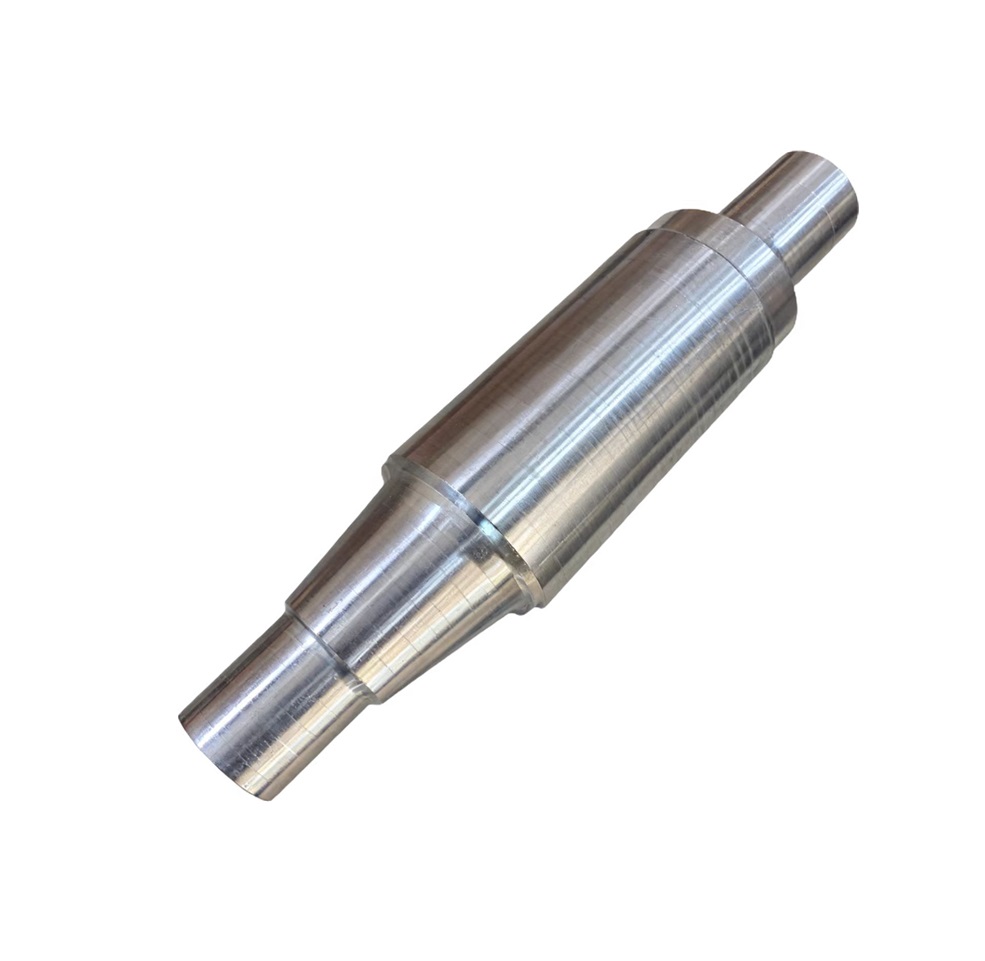
Understanding the Main Shaft in Transmission Systems
The most important part of the transmission system’s link between the power source and the gear unit is the main shaft. Power from the engine spins the wheels. The clutch sends this power to the main shaft, which is directed by a transmission’s internal system of gears, synchronizers, and bearings.
Primary Functions of the Main Shaft
A lot of important things are done by the main gear in the drive system. Different gear wheels work with countershaft gears to make different speed ratios. It gets its power from the engine. The shaft has to keep its shape when it’s moving lightly or pulling hard.
Interaction with Other Transmission Components
A complete power transfer system is made up of the Main Shaft, Countershaft, Layshaft, and Output Shaft. Most of the time, the driving gears on the countershaft fit into the gear wheels on the main shaft. There is a final gear ratio sent from the output shaft to the differential or final drive unit. This coordinated interaction makes it possible for power to be moved efficiently and gear changes to go easily in a range of work settings.
Types and Design Principles of Main Shafts
Different types of gearboxes need different main shaft setups to handle different torque needs and working situations. Engineers try to make the Main Shaft as strong as possible while also keeping the weight low and the measurements as accurate as possible.
Common Main Shaft Configurations
Most of the time, main rods are straight. For the most part, their thickness stays the same along their length, and they have splined parts that keep gears in place. Stepped main shafts have different widths in different places. This makes them stronger where strength is most important and weaker where it’s not. Main shafts that are hollow are lighter and can have oil tubes inside them to spread the oil around better.
Material Selection and Heat Treatment
If you want to make good main shafts, you need to pick the right materials and heat treatment methods. For tough work, high-strength metal steels are the best choice because they can handle stress. When heat is used in certain ways, like case hardening, surfaces don’t wear down and keep their shape for a long time. How well it can hold up under repeated loads depends on the amount of carbon in the shaft, the way the grains are structured, and the finish on the outside.
At HUAN-TAI, we use cutting edge bimetallic composite technology in our Main Shaft manufacturing processes. Our special method blends strong core materials with surface treatments that are hard and won’t wear down easily. With this, the usual problems with breaking that happen with normal shaft designs are fixed. It is stronger and more stable now that the spinal design has been improved. The load is also spread more evenly throughout the part.
Maintenance, Troubleshooting, and Failure Signs for Main Shafts
If you take good care of your transmission main shafts, they last longer and don’t break down when they should. Getting your transmission inspected regularly can help you find problems early, before they get worse and need major repairs or a whole new transmission.
Preventive Maintenance Strategies
Regularly lubricating the main shaft is the most important maintenance job for making it last longer. If the transmission oil is clean and meets the requirements, it keeps the bearings smooth, reduces friction, and takes heat away from the engine while it’s going. Oil research tools can find early signs of shaft wear by measuring the amount of metal particles in the oil.
Common Failure Indicators
When you change gears, noises that don’t make sense are often a sign that the main shaft bearings are old or not lined up right. Sounds like the shaft is broken or out of balance if you feel them in the gear lever or transmission case. Not being able to engage some gears may be caused by worn splines or broken gear teeth on the main shaft group.
Diagnostic Procedures
To figure out what’s wrong with a main shaft, only professionals have the right tools and know-how. A runout reading shows that the shaft isn’t straight, and a magnetic particle check finds stress cracks that could lead to a catastrophic failure. If you measure bearing play, you can tell when to change shaft support parts to keep the damage from getting worse.
How to Choose the Right Main Shaft for Your Transmission Needs?
It’s important to think about the needs of the job, the working conditions, and how well the main shaft specs will work with other gearbox parts that are already in place. The decision affects how well and how reliably the transmission system works in the long run.
Critical Selection Factors
To find a good Main Shaft, you should first look at how much force it can handle. To be safe, the shaft needs to be able to handle the full power of the engine plus a little extra in case of shock loads or quick changes in the weather. What kind of gear to use and how much adjusting needs to be done depend on the operating speed range. Things like high temperatures in the area can change the materials that are chosen.
Compatibility Considerations
When changing the main gears in transmissions that are already in use, it’s very important that the measurements are correct. The size, width, and number of splines must be exactly the same as the originals so that the gears and bearings fit well. Size changes of even a small amount can cause binding, too much wear, or gearbox failure.
Procurement and Ordering Guide for Main Shafts
Before you buy main shaft parts, you should find out what the seller can do, what the quality standards are, and when the parts will be sent to you. There are more things to consider than just the price when you buy something. You should also think about getting skilled help, being able to make changes, and being able to count on it for a long time.
Supplier Evaluation Criteria
When it comes to quality control and production, reliable providers stick to tried-and-true methods. Getting ISO 9001 approval shows that you are dedicated to planned quality management. Also, having experience in the field shows that you know how to handle problems that are specific to your use. Technical support is there to help with design questions and connection issues that come up during installation and setting up.
Cost and Delivery Considerations
How many are bought, what kind of material is used, and how hard it is to make each one determine the price of a main shaft. Wait times for unique designs are usually longer because they need to be approved by engineers and special tools need to be made. When you buy parts that are clearly outlined, on the other hand, they last longer and cost less to maintain.
Conclusion
One of the most important parts of a gearbox is the main shaft, which changes and controls engine power well. Procurement professionals can make smart choices that help the thing work well if they know what it’s used for, how to keep it in good shape, and how to choose it. What makes the difference between good performance and early failure is how well it was made, what materials were used, and how well it was thought out for the purpose. Even though transmission technology is always changing, it is still very important for all industrial settings to have well-designed main gear parts.
FAQ
What is the difference between a main shaft and a countershaft in a transmission?
Power goes straight to the Main Shaft through the clutch. The driven gears on the countershaft link to the gears on the Main Shaft to create different speed ratios. Before power is sent to the output shaft, the countershaft does the math for the gear reduction. The main shaft is in charge of force input.
How often should transmission main shafts be inspected?
Examinations of the main shaft are done as needed, based on how the machinery is being used. When used for heavy work, it may need to be checked visually once a month and more thoroughly once a year. For tools that aren’t used as often, however, checks every three months and more in-depth checks every six months should be enough.
What causes main shaft failure in transmission systems?
Things often break because they aren’t properly oiled, they are overloaded beyond their original capacity, they get contaminated from outside sources, or they just wear out over time. If you don’t position it right, install it wrong, or use the wrong specs, the shaft will wear out faster and need to be changed before it’s time.
Partner with HUAN-TAI for Superior Main Shaft Solutions
At HUAN-TAI Technology, we can help you with your needs for transmission parts because we know a lot about how to make them and how they work. With 30 years of experience in the field and the most up-to-date manufacturing tools, we are a trusted main shaft supplier. We make parts that meet the strict needs of modern industry uses. During the whole process of making something, our professional production team makes sure that the standard is always upheld. Along with your engineers, our technology experts make sure that the product works at its best. Contact our team at inquiry@huan-tai.org to talk about your specific needs and find out how our adaptable solutions can help you make your tools more reliable and your business run more smoothly.
References
1. Budynas, Richard G., and Keith J. Nisbett. “Shigley’s Mechanical Engineering Design.” McGraw-Hill Education, 2020.
2. Norton, Robert L. “Machine Design: An Integrated Approach.” Pearson Education, 2019.
3. Hamrock, Bernard J., Steven R. Schmid, and Bo O. Jacobson. “Fundamentals of Machine Elements.” CRC Press, 2018.
4. Khurmi, R.S., and J.K. Gupta. “A Textbook of Machine Design.” S. Chand Publishing, 2017.
5. Spotts, Merhyle F., Terry E. Shoup, and Lee E. Hornberger. “Design of Machine Elements.” Pearson Education, 2016.
6. Juvinall, Robert C., and Kurt M. Marshek. “Fundamentals of Machine Component Design.” John Wiley & Sons, 2020.
