
Gearbox housing is a crucial component in mechanical systems, serving as a protective enclosure for gears and other transmission elements. It provides structural support, maintains proper alignment of internal components, and contains lubricants essential for smooth operation. The housing also shields the gears from external contaminants and helps manage heat dissipation. Typically made from durable materials like cast iron or aluminum, gearbox housings are designed to withstand various operational stresses and environmental conditions. Their applications span across multiple industries, from automotive and industrial machinery to renewable energy systems.
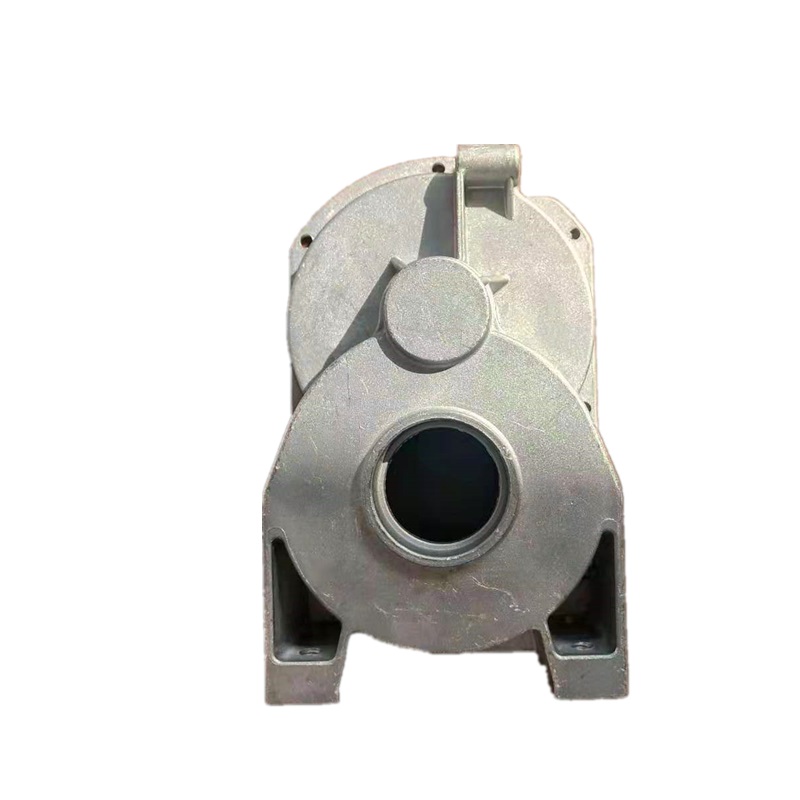
Understanding the Function and Importance of Gearbox Housing
Gearbox housing plays a vital role in the overall performance and longevity of mechanical systems. Let’s delve deeper into its primary functions and significance:
Protection and Containment
One of the primary functions of housing of gearbox is to protect the internal components from external elements. It acts as a shield, preventing dust, debris, and moisture from entering the system. This protection is crucial for maintaining the cleanliness and efficiency of the gears and other moving parts.
Additionally, the housing contains lubricants necessary for smooth gear operation. By creating a sealed environment, it ensures that oil and grease remain where they’re needed most, reducing friction and wear on the gears.
Structural Support and Alignment
Gearbox housing provides essential structural support for the entire gear system. It maintains proper alignment of gears, shafts, and bearings, which is critical for efficient power transmission and reduced wear. The housing’s design must account for the forces and loads experienced during operation to prevent deformation and maintain precision.
Heat Management
During operation, gears generate heat due to friction. The gearbox housing plays a crucial role in heat dissipation. Many housings are designed with cooling fins or channels to facilitate heat transfer, helping to maintain optimal operating temperatures and prevent overheating.
Noise Reduction
Another important function of gearbox housing is noise reduction. The enclosure helps contain and dampen the sound produced by the moving gears, contributing to a quieter and more comfortable operating environment.
At HUAN-TAI, we understand the critical nature of gearbox housing in various applications. Our team of experts specializes in crafting high-quality, custom gearbox housings that meet the specific needs of our clients across industries.
Exploring the Structure and Materials of Gearbox Housing
The structure and materials used in housing of gearbox significantly impact its performance and durability. Let’s examine these aspects in detail:
Structural Design
Gearbox housing design varies depending on the application, but typically includes:
- Main body: Houses the gears and shafts
- Mounting points: For secure attachment to the machine or vehicle
- Access points: Allow for maintenance and inspection
- Oil ports: For lubricant filling and draining
- Sealing surfaces: Ensure proper containment of lubricants
The design must account for factors such as load distribution, thermal expansion, and vibration damping. Advanced computer-aided design (CAD) and finite element analysis (FEA) tools are often used to optimize the housing structure.
Material Selection
The choice of material for gearbox housing depends on various factors, including:
- Operating conditions
- Load requirements
- Weight considerations
- Cost constraints
- Environmental factors
Common materials used in gearbox housing include:
- Cast Iron: Offers excellent strength, vibration damping, and cost-effectiveness. It’s widely used in industrial applications.
- Aluminum: Provides a good strength-to-weight ratio, making it suitable for applications where weight reduction is crucial.
- Steel: Used in high-stress applications requiring superior strength and durability.
- Composite Materials: Increasingly used in specialized applications for their lightweight properties and corrosion resistance.
At HUAN-TAI, we leverage our expertise in material science and engineering to select the most appropriate materials for each specific gearbox housing application. Our advanced manufacturing capabilities ensure precise crafting of these housings to meet the highest quality standards.
Applications and Industries Utilizing Gearbox Housing
Gearbox housings find applications across a wide range of industries due to their critical role in power transmission systems. Let’s explore some key sectors where housing of gearbox is extensively used:
Automotive Industry
In the automotive sector, gearbox housings are integral components of transmission systems. They’re found in:
- Manual transmissions
- Automatic transmissions
- Differential systems
- Transfer cases in four-wheel-drive vehicles
The housings in automotive applications must withstand high torque loads, vibrations, and varying environmental conditions. They also play a crucial role in vehicle weight reduction efforts, particularly in electric and hybrid vehicles.
Industrial Machinery
Gearbox housings are essential in various industrial machines and equipment, including:
- Conveyors and material handling systems
- Mining equipment
- Industrial mixers and agitators
- Printing presses
- Textile machinery
In these applications, gearbox housings must often withstand harsh operating conditions, including exposure to chemicals, abrasive materials, and extreme temperatures.
Renewable Energy
The renewable energy sector, particularly wind power, heavily relies on robust gearbox housings. In wind turbines, gearbox housings must:
- Withstand high loads and torques
- Operate reliably in challenging environmental conditions
- Facilitate easy maintenance and repair
The size and complexity of wind turbine gearbox housings make them some of the most challenging to design and manufacture.
Marine Applications
In the marine industry, gearbox housings are used in:
- Ship propulsion systems
- Offshore drilling equipment
- Marine winches and hoists
These housings must be designed to withstand corrosive saltwater environments and provide reliable performance in challenging conditions.
Aerospace
In aerospace applications, housing of gearbox is found in:
- Aircraft engines
- Helicopter transmissions
- Auxiliary power units
Here, the focus is on lightweight yet extremely durable designs that can withstand high temperatures and extreme operating conditions.
At HUAN-TAI, we have extensive experience in designing and manufacturing gearbox housings for diverse industries. Our team’s expertise allows us to create custom solutions that meet the unique requirements of each application, ensuring optimal performance and reliability.
Transition Note
As we’ve explored the various applications of gearbox housings across different industries, it’s clear that their design and manufacturing require specialized knowledge and capabilities. In the next section, we’ll conclude our discussion and highlight why choosing the right manufacturer for your gearbox housing needs is crucial.
Conclusion
Gearbox housing is a critical component in numerous mechanical systems, playing a vital role in protecting, supporting, and enhancing the performance of gear assemblies. From automotive transmissions to wind turbines, the applications of gearbox housings are vast and varied. The design and manufacturing of these housings require a deep understanding of materials, structural engineering, and specific industry requirements.
As technology advances and industries evolve, the demand for more efficient, durable, and lightweight gearbox housings continues to grow. This presents both challenges and opportunities for manufacturers to innovate and improve their offerings. Are you looking for high-quality, custom gearbox housing solutions for your specific application? Look no further than HUAN-TAI. With our extensive experience, advanced manufacturing capabilities, and commitment to quality, we’re your ideal partner for all your gearbox housing needs.
Frequently Asked Questions
What materials are commonly used for gearbox housing?
Common materials include cast iron, aluminum, steel, and increasingly, composite materials. The choice depends on factors like operating conditions, load requirements, and weight considerations.
How does gearbox housing contribute to noise reduction?
Gearbox housing helps contain and dampen the sound produced by moving gears, acting as a barrier between the internal components and the external environment.
What are the key factors to consider when designing a gearbox housing?
Important factors include load distribution, thermal management, vibration damping, ease of maintenance, and environmental conditions the housing will be exposed to.
How often should gearbox housing be inspected or maintained?
The frequency of inspection depends on the application and operating conditions. However, regular checks for leaks, cracks, or unusual noises are recommended as part of a preventive maintenance program.
Expert Gearbox Housing Solutions – HUAN-TAI
At HUAN-TAI, we pride ourselves on delivering top-tier gearbox housing solutions that meet the most demanding industry standards. Our expertise in high-quality material selection, customization capabilities, and rigorous quality control ensures that each housing of gearbox we produce can withstand high-load operations and harsh environments. With our advanced 5-axis CNC technology and professional technical team, we’re equipped to meet your specific performance requirements. For unparalleled gearbox housing solutions from a trusted manufacturer, contact us at inquiry@huan-tai.org.
References
- Smith, J. (2020). “Advanced Gearbox Design: Principles and Applications.” Mechanical Engineering Quarterly, 45(2), 112-128.
- Johnson, R. & Lee, S. (2019). “Materials Selection for Gearbox Housing in Automotive Applications.” Journal of Automotive Engineering, 33(4), 567-582.
- Brown, A. et al. (2021). “Thermal Management Strategies in Gearbox Housing Design.” International Journal of Heat and Mass Transfer, 164, 120583.
- Zhang, L. & Wang, Y. (2018). “Structural Analysis and Optimization of Wind Turbine Gearbox Housing.” Renewable Energy, 125, 75-88.
- Miller, D. (2022). “Advancements in Composite Materials for Lightweight Gearbox Housing.” Composites in Manufacturing, 18(3), 205-220.
