
Choosing the right rackbar for an industrial coal cutter is a decision that directly affects machine traction, haulage reliability, and total maintenance cost. The rackbar engages the shearer’s drive sprocket to move the machine along the face, operating under continuous mechanical load and hydraulic pressure in one of the harshest underground environments imaginable. Getting the material grade, dimensional specification, and structural design right from the start is essential for stable, uninterrupted cutting performance.
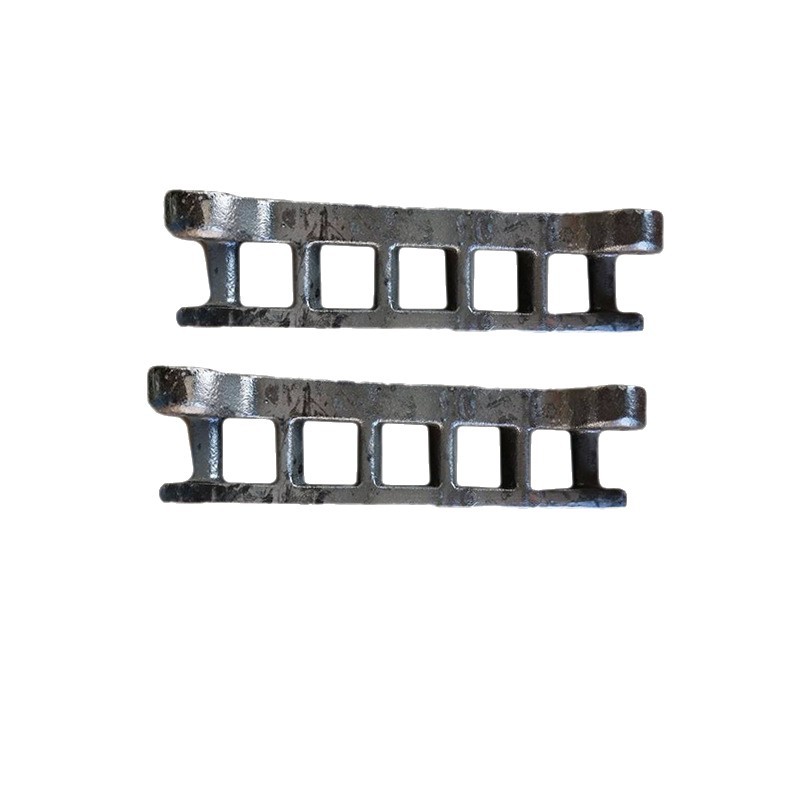
What Are the Key Selection Criteria for a Coal Cutter Rackbar?
Material Grade and Load Capacity
The foundation of any rackbar selection decision is material quality. A rackbar cast from high-quality cast iron or cast steel offers the toughness and strength needed to sustain continuous high-load operation underground without deformation or fracture. The material must handle not only the mechanical traction forces transmitted through the tooth profile but also the reactive shock loads generated when the cutter encounters hard inclusions or uneven seam conditions. Selecting the correct material grade for your specific operating conditions is the first and most important step.
Dimensional Compatibility with the Drive System
A rackbar must be dimensionally matched to the shearer’s drive sprocket and the armored face conveyor pan profile. Tooth pitch, rack width, mounting hole geometry, and overall length all need to align precisely with the machine’s design specification. Even small deviations in tooth pitch cause uneven load sharing between meshing teeth, which accelerates wear and shortens service life. Before placing an order — especially for non-standard or legacy equipment — confirm all critical dimensions against the original drawing or a measured reference component.
Structural Design for Underground Conditions
The structural design of a rackbar influences how it handles stress distribution during operation. A well-engineered rackbar features balanced tooth geometry and adequate section thickness at high-stress zones, ensuring load is distributed evenly rather than concentrated at vulnerable points. Precise casting processes — including controlled cooling and post-cast inspection — are essential to achieving the structural integrity that underground coal cutting demands. A rackbar that combines reasonable structural design with accurate manufacturing tolerances will consistently outlast a cheaper alternative in the same application.
How Does Rackbar Quality Affect Coal Cutter Performance?
Traction Stability and Advance Consistency
The quality of the rackbar directly determines how smoothly and consistently the coal cutter advances along the face. A rackbar with accurate tooth geometry and consistent material hardness maintains steady sprocket engagement across its full working length, allowing the machine to advance at a controlled, even rate. This consistency supports optimal drum-to-coal contact and helps the operator maintain the cutting horizon without frequent corrections. Irregular advance caused by worn or poorly manufactured rackbar teeth creates inefficiency and adds stress to the machine’s drive components.
Hydraulic System Integrity
In coal shearer applications, the rackbar assembly operates in proximity to high-pressure hydraulic circuits. A rackbar designed and cast to appropriate standards can remain structurally intact under the continuous impact of hydraulic pressure without leakage or deformation affecting nearby hydraulic components. Maintaining hydraulic system stability is critical for the shearer’s ranging arm, cutting height adjustment, and other functions that depend on reliable hydraulic performance. Component quality at the mechanical level has a direct bearing on hydraulic reliability across the full machine system.
Maintenance Intervals and Replacement Ease
A rackbar with a longer service life reduces the frequency of face stoppages for component replacement — a significant operational benefit in a production-focused underground mining environment. Beyond service life, ease of replacement matters too. Rackbars that are straightforward to remove and install, with consistent manufacturing quality that ensures fit-first-time installation, reduce the time the shearer spends out of service during scheduled maintenance. Castings that are produced to consistent dimensional tolerances are far easier to work with in confined underground conditions than parts that require adjustment on-site.
How to Source and Evaluate Rackbar Suppliers?
Verify Casting Process Capability
Not all cast components are equal, and the casting process used significantly affects the dimensional accuracy and internal quality of a rackbar. Suppliers with established processes — such as resin sand casting or precision casting methods — and in-house dimensional inspection capability are better positioned to deliver consistent quality across production batches. When evaluating a new supplier, ask specifically about their casting process, quality control checkpoints, and how they manage dimensional conformance for critical features like tooth profile and mounting geometry.
Assess Lead Time Transparency for Custom Requirements
For standard rackbar sizes, lead times from experienced suppliers are generally predictable. For custom-dimensioned rackbars — required when sourcing for older or non-standard shearer models — lead times may extend depending on how much drawing clarification is needed and the complexity of the casting process involved. A supplier who communicates proactively about timeline risks and manages the engineering confirmation stage efficiently is a more reliable partner than one who quotes short lead times without accounting for process realities. Always build schedule contingency for custom components.
Evaluate Track Record in Mining and Engineering Applications
Rackbars for coal cutters are specialized components, and supplier experience in mining and heavy engineering applications is a meaningful differentiator. A supplier with a long track record in this sector will have encountered the range of operating conditions, failure modes, and specification requirements that make underground components genuinely challenging to produce well. Look for suppliers who can reference relevant application history, demonstrate material traceability, and support you with engineering input when your specification requires it — not just catalog items shipped against a purchase order.
Conclusion
Selecting the right rackbar for an industrial coal cutter requires careful attention to material quality, dimensional compatibility, and supplier capability. A well-chosen rackbar improves traction stability, supports hydraulic system reliability, and reduces maintenance downtime — all of which have a direct impact on face productivity. Investing time in supplier evaluation and specification confirmation upfront is far less costly than managing premature failures underground.
FAQ
Q1: What materials are coal cutter rackbars typically made from?
Rackbars are commonly cast from high-quality cast iron or cast steel, selected for their strength, toughness, and ability to withstand sustained mechanical loading in underground conditions. Material grade should be matched to the specific load and environmental requirements of the application.
Q2: How do I know if a rackbar is compatible with my shearer model?
Compatibility depends on tooth pitch, rack width, mounting geometry, and overall dimensions. Always verify against the original equipment drawing or a measured reference component before ordering, particularly for older or non-standard machines.
Q3: Can rackbars be custom manufactured to non-standard dimensions?
Yes. Custom rackbars can be produced through casting processes to match specific shearer configurations. Lead times for custom orders vary depending on drawing confirmation requirements and casting complexity.
Q4: What are the most common signs of rackbar wear?
Tooth profile wear, increased backlash in sprocket engagement, and uneven advance rate are the primary indicators. Regular visual inspection during maintenance windows is the most reliable way to catch wear before it causes machine downtime.
Q5: How can I extend rackbar service life?
Ensure proper lubrication of the rack and sprocket interface, avoid overloading the machine beyond rated capacity, and replace worn sections before they cause secondary damage to the drive sprocket or conveyor components.
Partner With a Supplier Who Understands Mining Components
At Xian Huan-Tai Technology and Development Co., Ltd., we have spent 30 years manufacturing customized non-standard mechanical parts for mining and heavy engineering applications — including rackbars built to your exact specifications. Our production and engineering teams manage quality at every stage, and we are equipped to support both standard and custom requirements with professional technical input. If you are sourcing rackbars or other coal cutter components, we welcome your inquiry. Contact us at inquiry@huan-tai.org.
References
- Peng, S. S. (2006). Longwall Mining (2nd ed.). Society for Mining, Metallurgy and Exploration (SME).
- Hustrulid, W., & Bullock, R. L. (Eds.). (2001). Underground Mining Methods: Engineering Fundamentals and International Case Studies. Society for Mining, Metallurgy and Exploration (SME).
- Dolipski, M., Remiorz, E., & Sobota, P. (2014). Dynamics of non-uniformity of loads on AFC drives. Archives of Mining Sciences, 59(1), 155–168.
- Kotwica, K. (2018). Wear of cutting picks used in coal seam cutting. Mining Machines, 36(2), 14–25.
- Shigley, J. E., Mischke, C. R., & Budynas, R. G. (2004). Mechanical Engineering Design (7th ed.). McGraw-Hill.
- Nienhaus, K., & Maas, J. (2012). Development trends in continuous mining technology for hard coal underground mining. Mining Report Glückauf, 148(5), 376–383.
