
Winter conditions are among the harshest tests a truck’s front end will face — road salt accelerates corrosion, snowplowing applies concentrated impact loads, and freeze-thaw cycles work into every surface gap. A well-engineered front bumper is the first and most important line of defense against all three. Choosing one built from high-strength material with a purpose-designed surface treatment is not just about appearance — it directly determines how long the truck’s front end stays structurally sound and corrosion-free through successive winter seasons.
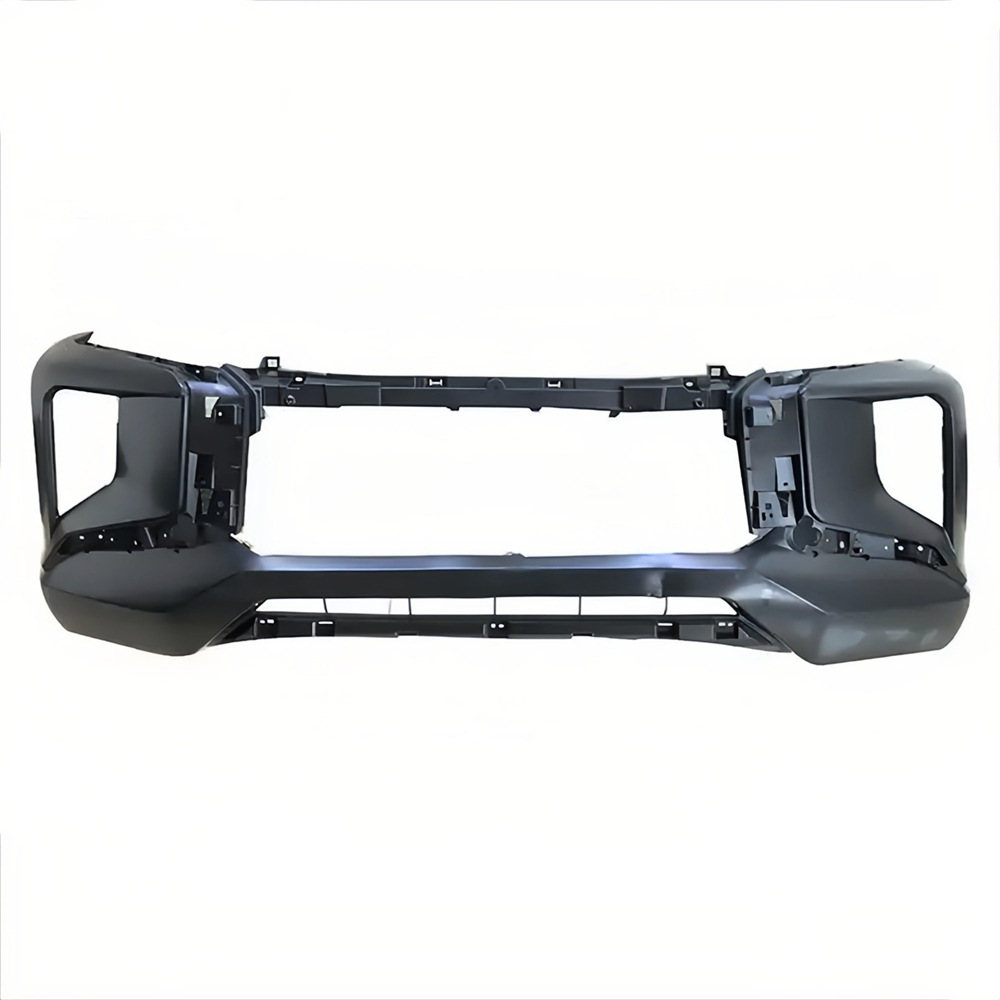
Why Winter Conditions Demand More From a Truck Front Bumper
Road Salt and Accelerated Corrosion
When road salt is used to melt snow and ice in the winter, it breaks down into a very toxic brine that gets into everything it touches. If the front bumper of a truck is low and forward, right in the spray path of the front wheels, it is constantly exposed to one of the harshest conditions for corrosion that a car part can face. Even if the base material is good, a front bumper that doesn’t have a strong corrosion-resistant surface treatment will rust within a season or two.
Snow and Ice Impact During Operation
When trucks drive on winter roads, they often hit the front bumper with ice chunks, packed snow ridges, and other road debris. These effects can be big on building sites, utility companies, and country service lines where work trucks are used for business. A front bumper made of a strong material can handle these loads without denting or breaking. It keeps its safe shape and keeps damage from spreading to the frame rails and cooling components below it.
Thermal Cycling and Mechanical Stress
Every joint, fastener, and surface break on the front bumper is put under mechanical stress by repeated freezing and melting. Precision-measured parts made with CNC cutting keep their fit and bolt contact through this temperature cycling. Loosely toleranced parts, on the other hand, develop holes that let water in and speed up rust at the mounting points. So, precision in measurements at installation is a useful factor for winter reliability, not just a quality metric.
What to Look for in a Winter-Ready Truck Front Bumper
High-Strength Base Material
The structural performance of a front bumper under winter impact loads starts with the base material. High-strength steel provides the combination of yield strength and toughness needed to handle both the concentrated loads of snowplow operation and the distributed impact of road debris without permanent deformation. A front bumper manufactured from high-quality, high-strength material holds its shape through repeated winter seasons — protecting the truck’s front structure and maintaining the bumper’s intended energy-absorption geometry for the working life of the vehicle.
Surface Treatment: Coating and Sandblasting
The most effective winter-ready front bumpers combine sandblasting to create a clean, profiled surface with a corrosion-resistant coating applied over it. Sandblasting removes mill scale and surface contaminants that would otherwise prevent the coating from bonding properly, while the coating itself seals the steel against salt brine and moisture. This two-stage surface treatment process delivers a significantly more durable protection than paint applied to an unprepared surface — a difference that becomes apparent within the first two or three winter seasons of service.
CNC Precision and Fit Quality
A front bumper that fits correctly against the truck’s mounting points distributes loads evenly and prevents the stress concentrations that lead to cracking at brackets and weld toes. CNC precision processing ensures that mounting holes, bracket positions, and overall dimensions match the vehicle specification exactly — eliminating the gaps and misalignments that allow water and salt to pool at mounting interfaces. Precise fit also makes installation straightforward, reducing the risk of installation errors that compromise both structural performance and corrosion resistance.
Maintenance and Long-Term Care for Winter Truck Front Bumpers
End-of-Winter Cleaning and Inspection
At the end of each winter season, a thorough wash-down of the front bumper — including the back face and mounting brackets — removes accumulated salt brine before it has the full spring and summer to continue corroding in hidden areas. This single maintenance step meaningfully extends the service life of the front bumper’s surface treatment. Inspection at the same time allows any coating chips, surface rust spots, or fastener corrosion to be addressed before they become structural issues.
Touch-Up Coating and Spot Repairs
Even a high-quality surface treatment will sustain minor chips and abrasions during active winter service — particularly on the leading face of the front bumper where stone strike impacts are concentrated. Prompt touch-up of bare metal spots with compatible coating material prevents those points from developing into areas of spreading corrosion. Keeping a small quantity of matching touch-up coating on hand as part of the truck’s routine maintenance kit is a low-cost practice that protects the investment in a quality front bumper over its full service life.
Sourcing Replacement Bumpers and Lead Times
When a front bumper reaches the end of its service life or sustains damage beyond repair, replacement lead time depends on whether the specification is a standard profile or a customized design. Standard replacement bumpers for common truck models can generally be processed and delivered within a practical timeframe. Custom or non-standard specifications — particularly where drawing confirmation and surface treatment process approval are involved — may require a longer production cycle. Huan-Tai provides clear timeline guidance at the inquiry stage so fleet managers can plan replacements without operational disruption.
Conclusion
Winter conditions test a truck front bumper harder than almost any other operating environment — combining corrosive salt exposure, repeated impact, and thermal cycling across every season. A bumper built from high-strength material, processed to precise dimensions, and protected with a properly applied corrosion-resistant surface treatment meets these demands reliably and cost-effectively. For fleet operators and truck owners who depend on their vehicles through the winter months, the quality of the front bumper is an investment that pays for itself in reduced maintenance and longer service life.
FAQ
Q1: What surface treatment is most effective for winter corrosion resistance on a front bumper?
A combination of sandblasting followed by a corrosion-resistant coating gives the best results — the sandblasting ensures proper coating adhesion, while the coating seals the steel against salt brine and moisture penetration.
Q2: Can a front bumper be customized to fit a specific truck model?
Yes. Huan-Tai produces customized front bumpers to customer drawings or vehicle specifications, with material grade and surface treatment selected to match the application’s requirements.
Q3: How does CNC processing improve front bumper performance?
CNC precision ensures accurate mounting dimensions and consistent fit, preventing the gaps and stress concentrations that accelerate corrosion and structural fatigue at mounting interfaces.
Q4: How often should a truck front bumper be inspected during winter?
A visual check at the start and end of winter — plus prompt attention to any visible coating damage during the season — is sufficient for most applications.
Q5: What base material is used for high-strength truck front bumpers?
High-strength steel is the standard choice for work truck and commercial front bumpers, providing the yield strength and toughness needed to handle both impact loads and sustained structural stress.
Ready to Upgrade Your Truck’s Winter Front-End Protection?
Xian Huan-Tai Technology and Development Co., Ltd. brings over 30 years of manufacturing experience in customized non-standard mechanical parts to every front bumper order. Our professional technical team works from your specifications or drawings, and our production team manages quality at every step — from material selection and CNC processing through surface treatment and final inspection. Whether you need a standard replacement or a fully customized design, we deliver parts built to last. Contact us: inquiry@huan-tai.org.
References
1. Ashby, M. F. (2011). Materials Selection in Mechanical Design (4th ed.). Butterworth-Heinemann.
2. Fontana, M. G. (1986). Corrosion Engineering (3rd ed.). McGraw-Hill.
3. Bralla, J. G. (1998). Design for Manufacturability Handbook (2nd ed.). McGraw-Hill.
4. Society of Automotive Engineers (2012). SAE J686: Bumpers, Front — Passenger Cars. SAE International.
5. Revie, R. W., & Uhlig, H. H. (2008). Corrosion and Corrosion Control: An Introduction to Corrosion Science and Engineering (4th ed.). Wiley-Interscience.
6. Norton, R. L. (2006). Machine Design: An Integrated Approach (3rd ed.). Pearson Prentice Hall.
