
Choosing the right heavy-duty protection parts is important to keep mining equipment from breaking down too soon. When engineering managers look at Wear Plates vs. Impact Plates: Choosing the Right Crusher Protection, they have to weigh how well they resist rolling wear against how well they resist high-force impacts. Good wear plates protect the machinery’s structure by acting as barriers that are sacrificed when they wear out. This cuts down on operational downtime and long-term maintenance costs.
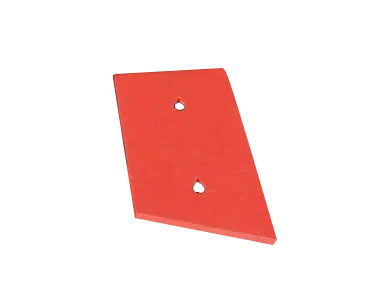
Understanding the Operational Roles of Wear Plates and Impact Plates
Slurry and Sliding Abrasion Mitigation in Crushers
When handling small aggregates and broken ores, heavy-duty mining equipment is constantly worn down by rolling. By putting special wear plates on the walls of the hopper and chute, the steel below doesn’t wear down as quickly. These safe parts are made to handle a lot of pressure, which makes sure that material moves smoothly through the breaking area without damaging the core of the machine.
High-Velocity Impact Absorption Strategies
Parts that are going to be hit directly need a lot of shock absorption, but parts that are going to be sliding constantly don’t. When you replace normal liners with high-strength wear plates that are designed to absorb pressure, big, fast ore drops don’t cause catastrophic fractures. By picking the right thickness and steel, operators can make sure that their breaking equipment can handle constant, high-energy impact forces without deforming.
Differentiating Wear Components in Impact vs Hammer Crushers
The form of the crusher sets the exact stress that is put on the safety parts. In impact crushers, the main impact is done by blow bars made of alloy steel or high-chromium cast iron. In hammer crushers, heavy hammerheads do the work. No matter what kind of crusher you have, you need to put strong wear plates around the inside of the box to protect the frame from rock return at high speeds and constant sharp wear.
Custom Metallurgy and Manufacturing Processes for Crusher Protection
Advanced Casting Methods for Precise Dimensional Accuracy
For protective linings to fit perfectly inside heavy machinery, they need to be the exact right size. Customised wear plates will be very accurately sized if you use high-quality casting methods like the lost-wax process, resin sand, or the V-method. This precise manufacturing keeps the liners from having gaps between them, which makes installation quick and stops small, rough rock particles from getting past the protective barrier.
Tailored Alloy Steel and Composite Material Formulations
Different geological conditions demand customized material recipes to maximize component lifespans. High-efficiency wear plates are made of alloy steel, high-manganese steel, high-chromium cast iron, or composite materials through casting. Tailoring the metallurgical composition allows engineers to optimize the hardness and toughness of the liner, successfully matching the specific geological abrasive qualities of the mined material.
Structural Integrity and Fracture Resistance under High Loads
Heavy-duty mining environments expose internal components to intense cyclic loads. Standard industrial liners often crack under these conditions, but advanced cast wear plates offer excellent resistance to fracture and impact force. This structural resilience makes them suitable for high-load and high-strength working environments, preventing sudden failures and ensuring reliable, continuous performance under extreme operating conditions.
Integrating Heavy-Duty Machinery Parts for Complete Crusher Protection
Heavy Forged Main Shaft and Bearing Protection Systems
Protecting the rotational core of your crushing machinery is vital for preventing systemic failures. While internal wear plates shield the hopper walls, a forged main shaft provides the necessary torsional strength to support the rotor. Additionally, implementing dust rings made of high-manganese steel or high-chromium alloy steel prevents abrasive dust from penetrating critical bearing housings, safeguarding the drivetrain.
High-Strength Toggle Plates and Shock Absorbing Springs
Effective crushing systems rely on a network of coordinated protective components working together. Alongside internal wear plates, high-manganese steel toggle plates offer excellent sacrificial protection against uncrushable materials. Furthermore, incorporating heavy-duty crusher springs fabricated from spring steel, high-strength steel wire, or carbon steel absorbs sudden, severe mechanical shocks, preventing structural damage to the primary mainframe.
Dynamic Tensioning and Alloy Steel Rackbar Assemblies
Maintaining optimal alignment inside the crushing chamber requires high-tensile structural support. Engineers deploy robust wear plates to cover high-abrasion zones, while integrating a rackbar manufactured from durable alloy steel to support the adjustment mechanism. This combination ensures the entire crusher assembly remains stable and aligned, resisting high physical stress during continuous aggregate processing operations.
Conclusion
Choosing between wear plates and impact plates requires analyzing your crusher’s wear patterns, material hardness, and physical impact forces. Combining advanced casting techniques with optimized alloys ensures your equipment resists fracture and abrasive wear. Investing in customized crusher protection maximizes operational uptime, reduces replacement costs, and enhances overall productivity in challenging engineering and mining environments.
FAQs
Q1: What materials are recommended for heavy-duty wear plates?
Wear plates are cast from alloy steel, high-manganese steel, high-chromium cast iron, or specialized composite materials to match operational needs.
Q2: Why are forged main shafts preferred over cast shafts?
Forged main shafts provide superior torsional strength and resistance to cracking, which is essential for heavy-duty crushing operations.
Q3: What is the main difference between blow bars and hammers?
Blow bars are thick impact plates used in impact crushers, while hammers are smaller, swinging components designed specifically for hammer crushers.
Q4: What material should be used for crusher dust rings?
Dust rings must be manufactured from highly durable high-manganese steel or high-chromium alloy steel to resist abrasive fines.
Q5: What is the typical delivery schedule for customized wear plates?
Delivery timelines vary depending on complex drawing reviews, custom casting techniques, and material specifications required to ensure quality.
Partner with Xian Huan-Tai for Customized Engineering Excellence
Optimize your machinery’s lifespan with Xian Huan-Tai Technology and Development Co., Ltd. Backed by 30 years of industry experience, we specialize in high-durability, non-standard cast and forged parts. Our professional production and technical teams manage quality across the entire manufacturing cycle, ensuring all customized products meet your strict performance requirements. Benefit from our excellent service and engineering expertise to streamline your supply chain. Contact us at inquiry@huan-tai.org today to discuss your customized technical specifications!
References
- Sven, K. (2018). Metallurgical Advancements in Mining Machinery Protective Linings. Journal of Materials Processing Technology.
- Zhang, L. & Wang, J. (2020). Analyzing Wear Patterns and Casting Methods of High-Chromium Alloys. International Wear and Mining Journal.
- Patterson, H. M. (2017). Impact Energy Absorption in Heavy-Duty Crusher Chambers. Journal of Mineral Processing and Engineering.
- Rodriguez, A. C. (2019). Mechanical Comparison of Forged Shafts and Cast Parts in Heavy Machinery. Design and Engineering Forum.
- Chen, Y. & Davis, R. T. (2021). Optimizing Mining Crusher Efficiency through Customized Wear Component Selection. Global Aggregates Engineering Review.
