
When aggregate producers and mining operations buy a high strength jaw stock, it lasts longer, crushes materials more efficiently, and saves them a lot of money. As the main moving part that holds the mobile jaw die, a heavy-duty jaw stock can handle huge crushing loads, work with harder rocks without any problems, keep the machine from breaking down completely, and greatly increase plant output over years of nonstop production.
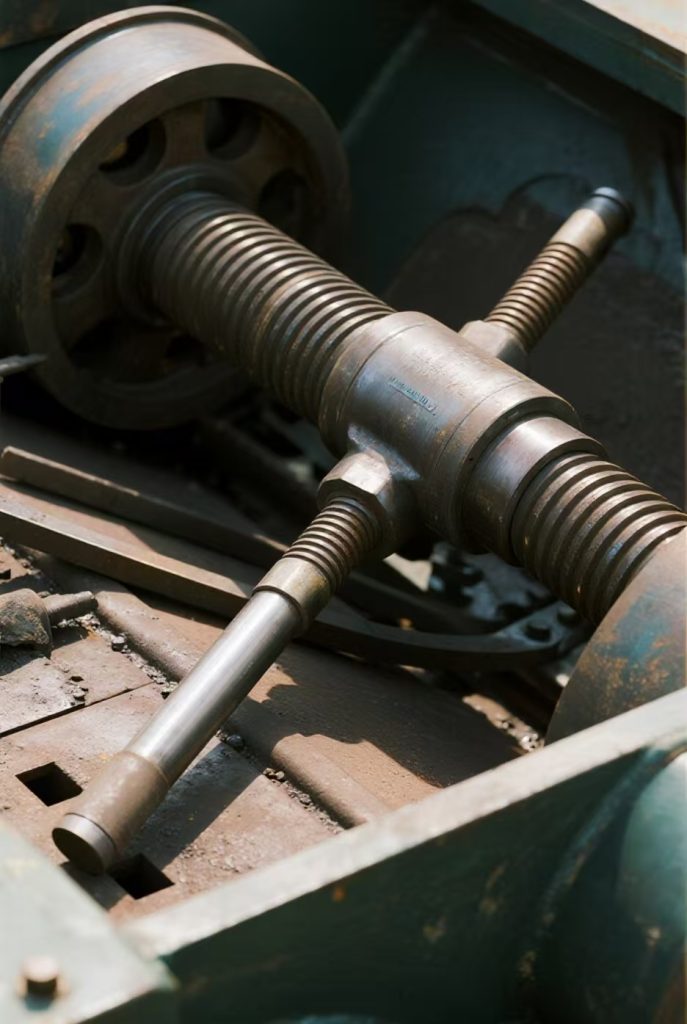
Unmatched Structural Durability Under Extreme Crushing Forces
Absorption of Severe Reactive Fragmentation Forces
When hard mined material is crushed, it makes a lot of moving energy and resistance inside the crushing cylinder. A modern jaw stock is made to be very rigid, so it can easily handle the destructive reactive force of fragmentation that is created during each compression stroke. This rigid structural stability keeps the crushing chamber in the right place even when it’s under a lot of mechanical stress. This keeps the frame from deforming and keeps energy transfer going during continuous, heavy-duty rock reduction cycles.
Premium High Manganese and High Carbon Steel Casting
Metals are the building blocks of durability. A strong jaw stock is usually made from high-quality steel, like high manganese steel and high carbon steel, which makes it very tough against strong impact forces. If you choose the right type of cast steel, it will have work-hardening qualities under pressure, last a lot longer, keep the surface from deforming, and cost less to replace in difficult mining and material processing uses.
Prevention of Fatigue Fractures and Structural Warping
When compression processes are done over and over, normal parts finally get micro-fissures that cause unplanned downtime. For example, a reinforced jaw stock has the right cross-sectional thickness and a stress-relief geometry that spreads out cyclic fatigue evenly across the housing. The heavy-duty jaw stock guarantees full structural integrity by removing concentrated internal pressures. This stops catastrophic body cracks even when working with hard, non-compressible materials.
Superior Operational Efficiency in Hard Rock Applications
Reliable Processing of Extremely Hard and Abrasive Rocks
Geological rocks like granite, quartzite, and basalt are often hard and thick in modern mines. Harder rocks can be crushed with an industrial jaw stock without changing the way it works or putting the structure at risk of falling apart. Its high mass and rigidity give it the crushing force it needs to cleanly break up deposits of high hardness. This makes sure that the secondary feed size is accurate and that the primary crushing stages keep running at full speed.
Proven Corrosion and Wear Resistance in Harsh Environments
In quarries and open-pit mines, equipment is often exposed to water, wetness, and chemicals that break down metals that aren’t very good. An advanced jaw stock is resistant to corrosion and can handle abrasion for a long time. This chemical stability stops surface pitting and oxidation around bearing seats and mounting faces. This makes the machine last longer and keeps the jaw stock’s exact mechanical tolerances year after year.
Seamless Synergy with Crucial Drive and Safety Components
Systems for crushing work as a whole. A strong jaw stock works well with the other parts around it, transferring torque from a forged main shaft and safety loads to a high manganese steel toggle plate. This balanced dynamic interaction protects important bearings, keeps the return action stable with heavy carbon steel springs, and keeps the whole plant reliable even during the hardest aggregate reduction runs.
Significant Long-Term Return on Investment for Operators
Drastic Reduction in Unscheduled Maintenance Downtime
Unplanned stops hurt the profits of both quarry owners and companies that fix equipment. Buying a heavy-duty jaw stock cuts down on bearing misalignments and early cracking, which means you won’t have to do as many emergency repairs. A reliable jaw stock has a long life, which makes it easy for maintenance staff to plan overhauls. This keeps the plant available and prevents expensive emergency rebuilds during peak aggregate production seasons.
Extended Protection for Internal Assemblies and Structural Parts
When the moving jaw is bent or deflected, it sends harmful eccentric shocks back into important assemblies. The internal crushing dynamics are kept stable by a rigid jaw stock. This protects precision bearing journals and nearby structural items like alloy steel rack bar assemblies. It also makes sure that dust rings made of high manganese steel wear evenly and keep harmful grit out of expensive roller bearings.
Optimized Total Cost of Ownership for Machinery Builders
For manufacturers of machinery and independent repair contractors, trust from customers and profit margins depend on how reliable their equipment is. Putting in a reliable jaw stock makes the machine more cost-effective and efficient over its entire life. High tensile strength, long-lasting alloy cast steel, and fewer failures in the field help equipment builders keep prices low while giving mining end-users the best operational quality possible.
Conclusion
The main part of effective primary crushing is a high-strength jaw stock that offers unbeatable structural stiffness, rust resistance, and high-impact toughness against very high breakup forces. Choosing the right cast jaw stock for equipment manufacturers and repair shops is important for getting the most uptime, low costs, and reliable aggregate production. This is because the cast jaw stock is made to crush harder rock types while protecting forged shafts and bearing assemblies.
FAQ
Q1: What materials are commonly used to cast a high strength jaw stock?
A: A high strength jaw stock is typically cast with high-quality steel such as high manganese steel and high carbon steel, ensuring maximum impact absorption, structural rigidity, and extended service life.
Q2: Can this jaw stock handle abrasive and harder rock types?
A: Yes. Because of its rigid construction and high tensile strength, the jaw stock can be applied to harder rocks like basalt, granite, and iron ore without cracking.
Q3: How does the jaw stock interact with the main shaft and toggle plate?
A: The jaw stock oscillates via a heavy-duty forged main shaft, while resting against a high manganese steel toggle plate designed to protect the crusher during overload events.
Q4: Does the jaw stock resist environmental corrosion?
A: Yes, the metallurgical formulation provides good corrosion resistance, protecting bearing seats and structural surfaces from oxidation caused by slurry, moisture, and quarry runoffs.
Q5: How long does delivery take for custom jaw stock orders?
A: Lead times for customized castings vary based on technical drawing reviews, pattern fabrication, mold tooling, and quality inspections, ensuring all dimensional and metallurgical specifications are met.
Transform Your Crushing Operations Today
Looking to elevate your mining equipment performance with custom mechanical components? Xian Huan-Tai Technology and Development Co., Ltd. brings 30 years of industry experience to manufacturing heavy-duty wear parts. Our professional technical team meets stringent quality and performance requirements, while our dedicated production team manages quality control across every casting stage. Backed by excellent service and dependable schedule management, we deliver precision parts tailored to your specifications. Contact our engineering team today at inquiry@huan-tai.org to request a customized quote.
References
- Wills, B. A., & Finch, J. A. (2015). Wills’ Mineral Processing Technology: An Introduction to the Practical Aspects of Ore Treatment and Mineral Recovery. Butterworth-Heinemann.
- Gupta, A., & Yan, D. S. (2016). Mineral Processing Design and Operations: An Introduction. Elsevier Science.
- Svedensten, P., & Evertsson, C. M. (2005). Crusher Yield and Performance: Modelling and Characterization of Primary Jaw Crushers. Minerals Engineering, Elsevier.
- Taggart, A. F. (1945). Handbook of Mineral Dressing: Ores and Industrial Minerals. John Wiley & Sons.
- Lynch, A. J., & Rowland, C. A. (2005). The History of Grinding and Crushing Technology. Society for Mining, Metallurgy, and Exploration (SME).
