
To make your jaw crusher liner plates last longer, you need to choose the right materials, run the machine correctly, and do regular repair. The liner plate takes most of the crushing force every day, so keeping it safe cuts costs and increases uptime. Here are some useful tips that mine and gravel workers can use to get the most work hours out of each plate.
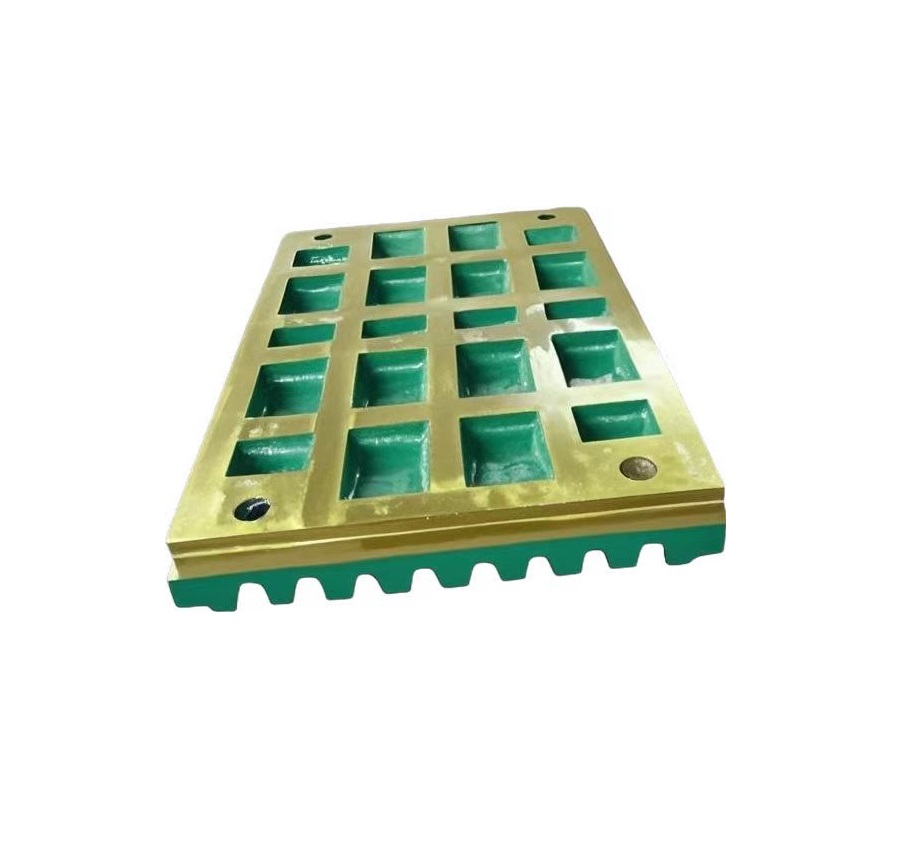
Which Factors Affect Liner Plate Service Life?
Feed Material Hardness and Abrasiveness
The type of rock you work with determines how fast a liner plate wears out. Stones that are harder and rougher, like granite, grind surfaces more quickly than stones that are softer. The good news is that a liner plate made of high manganese steel doesn’t rust and can be used on harder rocks, standing up well in tough circumstances. One way to make sure your plates last longer and work better is to make sure they are the right size for the type of feed you use.
Crushing Load and Impact Force
The chamber is hit with reaction force every time it fragments, and the liner plate has to take it without breaking. Plates that are designed to be very strong and rigid can withstand the reactive force of fragmentation and don’t bend even when heavy loads are applied for a long time. Lack of this structural toughness in a liner plate makes it fail quickly. Picking a plate with the right rating will make sure it can handle the highest crushing pressure every day.
Operating and Maintenance Habits
What you do every day is just as important as the things you buy. Overfeeding, uneven feed distribution, and not doing regular inspections can all shorten the life of liner plates. On the other hand, wear is even and predictable when you follow proper procedures and use a strong liner plate made from high-quality steel. When operators keep a close eye on things and make changes quickly, they are able to get a lot more work hours out of each plate they place.
How Does Material Selection Improve Durability?
High Manganese Steel for Impact Resistance
High manganese steel is the best material for a liner plate because it hardens when it hits something and stays tough on the inside. With this mix, the plate can take multiple shocks without breaking. The liner plate is made of this high-quality steel, which makes it resistant to contact force and stretches its service life by a lot. This makes it reliable for mining equipment that handles tough, high-volume feed every shift.
High Carbon Steel for Rigidity
When extra hardness is needed, high carbon steel makes the liner plate strong enough to not bend when it’s loaded. This material is very resistant to wear and keeps its shape even when it’s being used continuously. A liner plate made of high-carbon steel lasts longer and works better because it doesn’t bend easily. This means that operators don’t have to replace it too soon or deal with unplanned downtime.
Choosing the Right Casting Grade
There isn’t a single grade that works best for all operations, so the best liner plate relies on the feed and flow rates. Choosing the right cast steel or alloy steel means weighing the cost up front against the durability over time. A well-matched liner plate keeps you from spending too much on hardness that you don’t need and from having to change it too often because the material isn’t up to par. This gives you the best value over the whole breaking cycle.
What Maintenance Practices Extend Liner Plate Life?
Routine Inspection and Wear Monitoring
The cheapest way to protect your liner plate is to have it checked regularly. By checking for cracks, measuring the depth of wear, and keeping track of degradation trends, you can plan replacements before they stop production. Keeping records also helps predict what will need to be ordered, so a new liner plate arrives before the old one wears out and stops work, which saves money and time.
Rotating and Reversing Plates
When one side of the liner plate wears down, many types of crushers let you turn it around or reverse it. By moving the contact zones around, this simple action effectively doubles the useful life. By moving a uniform liner plate at the right time, workers can increase the time between service calls and lower the cost of material per tonne crushed, getting the most out of every plate they buy.
Correct Installation and Tightening
When liner plates don’t fit right, they don’t last as long. When a plate is torqued to the right amount and fits squarely, it stays stable during operation. This stops the plate from moving, which would otherwise cause uneven wear and stress fractures. When a new liner plate exactly fits the original plans, it’s easier to install and less likely that damage will happen from being out of position. This keeps your crusher running smoothly.
Conclusion
To make jaw crusher liner plates last longer, you should choose castings made of high manganese or high carbon steel, match the grade to the feed, flip the plates over when you can and check them often. All of these steps work together to lower the cost per tonne and keep crushing activities running smoothly and regularly.
FAQ
Q1: What material lasts longest for a liner plate?
High manganese steel typically lasts longest thanks to its work-hardening surface and tough core, while high carbon steel suits applications needing extra rigidity.
Q2: Can I reverse a worn liner plate?
Yes. Many symmetrical liner plates can be flipped once one side wears, effectively extending usable service life and lowering cost per ton.
Q3: How often should liner plates be inspected?
Inspect during every scheduled maintenance cycle, measuring wear depth and checking for cracks to plan timely replacement before failure occurs.
Q4: Does feed material affect liner plate wear?
Absolutely. Harder, more abrasive rock wears plates faster, so choosing a grade suited to your feed hardness improves durability.
Q5: How long does a custom liner plate take to make?
Lead times vary. Custom parts can take longer when drawings need repeated confirmation or when specific casting processes are involved.
Partner With Huan-Tai for Long-Lasting Crusher Wear Parts
Want liner plates that go the distance? At Xian Huan-Tai Technology and Development Co., Ltd., our 30 years of industry experience, dedicated production team, and skilled technical experts deliver customized liner plate solutions built for your exact conditions. With full-process quality control and reliable scheduling, we bring the stability and consistency overseas buyers demand. Reach out today for a tailored quote and let us help you cut downtime—email inquiry@huan-tai.org.
References
- Gupta, A., & Yan, D. S. Mineral Processing Design and Operations: An Introduction.
- Wills, B. A., & Finch, J. A. Wills’ Mineral Processing Technology.
- Napier-Munn, T. J., Morrell, S., Morrison, R. D., & Kojovic, T. Mineral Comminution Circuits: Their Operation and Optimisation.
- Metso Corporation, edited by Jaakko Leinonen. Crushing and Screening Handbook.
- Bhatt, P., & Agrawal, S. K. Design and Analysis of Machine Elements in Mineral Processing Equipment.
