
Downtime is the silent profit killer in any crushing plant, and worn or failed impact plates are one of its most common causes. Quality impact plates—cast from high manganese steel, alloy steel, high-chromium cast iron, or composite materials—last longer, fail less, and change out faster. This article explains exactly how the right impact plates keep your crushers running and your maintenance costs under control.
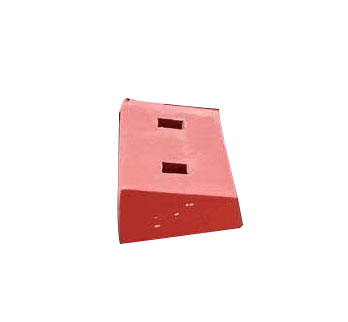
Why Do Impact Plates Matter So Much for Plant Uptime?
The True Cost of Unplanned Stoppages
When a crusher isn’t being used for an hour, the whole production line behind it stops. Trucks wait in line, screens go empty, and delivery dates get pushed back. When impact plates get worn and crack or lose their shape, they have to be shut down quickly and without warning. Durable impact plates with known wear rates, on the other hand, allow maintenance teams to schedule replacements during planned windows, turning wild emergency fixes into regular, low-cost service activities.
How Impact Plates Take the Punishment
Inside an impact crusher, rocks are thrown quickly at the impact plates, which take in and send back out thousands of times per minute huge forces. They are one of the machine’s most worn-out parts because of this. Impact plates that are designed to be very resistant to breaking and impact force are made for these high-load, high-strength environments. This is why the quality of their construction determines how often your plant has to stop.
Wear Life as a Planning Tool
If the wear on impact plates is even and predictable, maintenance planners can confidently guess when the plates will need to be replaced, buy extra ahead of time, and schedule plate changes with other service chores. Unreliable, low-grade impact plates take away this ability to plan ahead. Many plant managers quickly learn that consistent casting quality from a dependable supplier is worth a lot more than a slightly lower unit price. They do this by keeping an eye on the wear rates of different plate sets.
Which Impact Plate Materials Deliver the Longest Service Life?
High Manganese Steel: Toughness That Grows
The industry’s standard, high manganese steel impact plates, are so. When hit over and over, the surface work-hardens, making it harder over time, while the core stays tough enough to not crack. For plants that crush medium-hard rock with a lot of shock loading, these impact plates offer a reliable wear life and a strong safety margin against sudden fracture, which reduces the amount of unplanned downtime.
High-Chromium Cast Iron and Alloy Steel Options
When the feed material is very rough, high-chromium cast iron impact plates have a hard carbide microstructure that makes them very resistant to wear. This means that the time between changes is greatly increased. For mixed or varied feeds, alloy steel impact plates are in the middle because they balance being tough against impact with not wearing down easily. Finding an alloy that works well with the rock you’re working with is the best way to make it last longer.
Composite Materials for Demanding Feeds
Material engineering goes one step further with composite impact plates, which have a tough backing and a harder wear-facing zone. Crack resistance is put where the building needs it, and rock resistance is put where it will be used. Composite impact plates often have the lowest cost per tonne processed in plants that have to deal with both heavy impact and severe abrasion, even though they cost a little more at first.
How Does Manufacturing Quality Turn Into Fewer Breakdowns?
Precision Casting Means Faster, Trouble-Free Installation
Precision in three dimensions is an overlooked way to fight downtime. Because the tolerances on impact plates made by lost-wax casting, resin sand casting, or the V-method are so tight, they can be bolted into place without having to be ground, shimmied, or forced. Every minute saved during installation is time that can be used to make more things. The length of a maintenance window can be doubled by poorly cast impact plates that require on-site rework, which is a waste that could have been avoided if the impact plates had been properly made.
Inspection and Internal Soundness
Porosity, shrinking, or inclusions in the casting of an impact plate can cause it to crack before the wear material is completely worn away. Serious foundries check the chemistry during the melt, carefully manage the heat treatment, and check each batch for strength and hardness inside. Buyers should ask for these quality records, and providers who oversee inspections throughout the whole production process will gladly give them to them.
Working With the Right Supply Partner
Cutting down on downtime isn’t just about the part; it’s also about the relationship. A provider who knows a lot about engineering will look over your plans, tell you what grade of material will work best for your feed, and make sure that your return orders are always the same. For custom impact plates, give yourself a good production window because the drawing confirmation and casting processes take time. If you plan ahead, you can keep your crushers covered with spare sets.
Conclusion
One of the most cost-effective ways to keep a crushing plant from being down is to use reliable impact plates. When you use the right grade of material, cast it precisely, and make sure the quality is checked, you can expect reliable wear, faster installation, and fewer emergency stops. Be careful when picking your impact plates and provider. Your company will thank you with more consistent output and lower repair costs.
FAQs
Q1: What materials are impact plates made from?
Common choices are high manganese steel, alloy steel, high-chromium cast iron, and composite materials, selected according to feed abrasiveness and impact level.
Q2: How do quality impact plates reduce downtime?
They wear predictably, resist fracture, and fit accurately, allowing planned replacements instead of emergency shutdowns.
Q3: Which casting methods are used?
Lost-wax, resin sand, and V-method casting all ensure accurate dimensions and consistent quality.
Q4: When should impact plates be replaced?
Replace them when wear reaches the limit set by your crusher manufacturer—before cracking or loss of crushing performance occurs.
Q5: Can impact plates be customized?
Yes. Supply drawings or samples plus feed details, and both geometry and alloy grade can be tailored to your crusher.
Keep Your Crushers Running—Talk to Us Today
For 30 years, Xian Huan-Tai Technology and Development Co., Ltd. has manufactured customized non-standard mechanical parts for mining and engineering machinery customers worldwide. Our professional production team manages quality through every stage, and our technical team tailors each component to your performance requirements—including impact plates built for the harshest conditions. Experience the stability, consistency, and predictability that overseas buyers trust. Send your drawings or questions to inquiry@huan-tai.org and get a fast, competitive quotation.
References
- Wills, B. A., & Finch, J. A. – Wills’ Mineral Processing Technology: An Introduction to the Practical Aspects of Ore Treatment and Mineral Recovery
- Gupta, A., & Yan, D. S. – Mineral Processing Design and Operations: An Introduction
- Beeley, P. – Foundry Technology
- Zum Gahr, K.-H. – Microstructure and Wear of Materials
- Napier-Munn, T. J., Morrell, S., Morrison, R. D., & Kojovic, T. – Mineral Comminution Circuits: Their Operation and Optimisation
