
The frame of the jaw crusher and the jaw plate are used for two very different things. The load-bearing frame keeps all the parts in place and takes the breaking forces. The jaw plate, on the other hand, is the wearable surface that breaks the rock. Buyers can pick the right materials, keep costs down, and keep crushers running longer if they know how the frame and jaw plate work together.
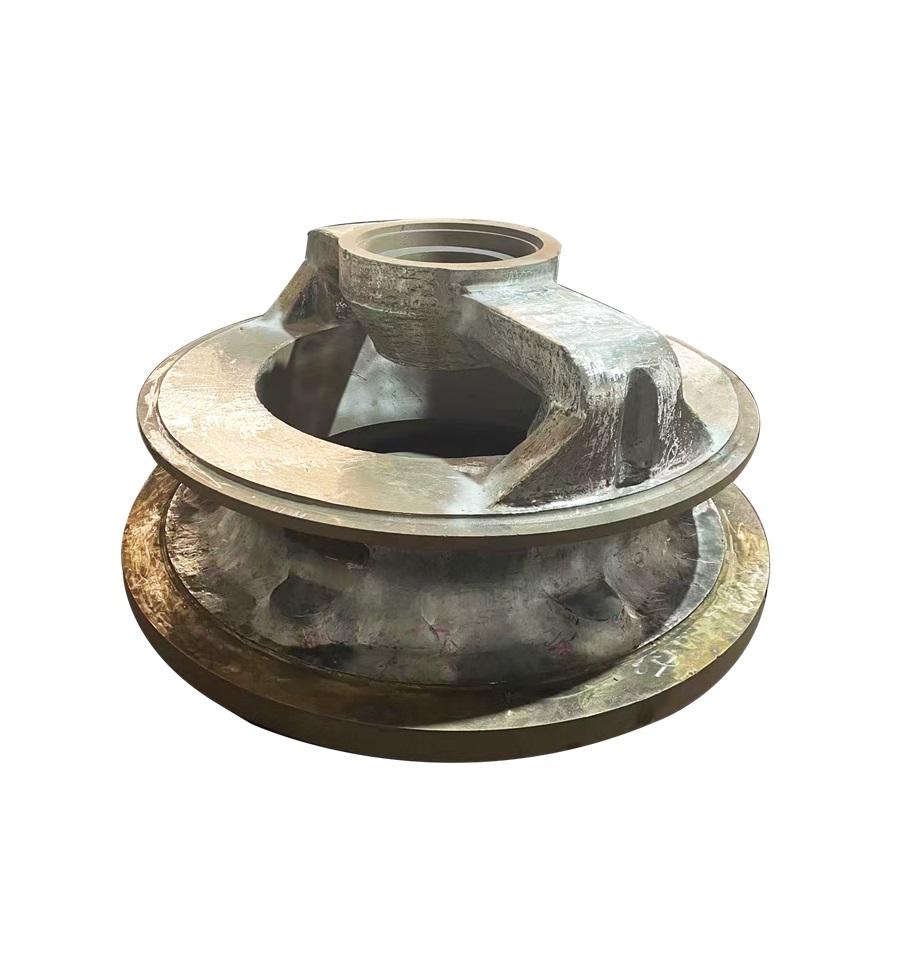
What Does the Jaw Crusher Frame Actually Do?
The Structural Backbone of the Crusher
The frame is what every jaw crusher is built around. The eccentric shaft, bearings, movable jaw, and toggle mechanism are all held in place by this heavy structure, which does this even when the working conditions are tough. The whole machine is less accurate and efficient if the frame bends or breaks. If the frame is well-designed, it will be strong and rigid, so it can handle the constant force that is created when rock is crushed between the plates.
How the Frame Handles Crushing Forces
As the machine works, breaking forces move from the jaw plates to the pitman and trigger plate and then to the frame. The frame has to be able to handle these repeated shocks for years without breaking. That’s why premium frames are made from high-quality steels like high manganese steel and high carbon steel. These steels are tough enough to handle impact loads, keep their shape, and last longer, even when working with harder rock in quarries and mines.
Frame Materials and Why Casting Quality Matters
Not all frames are created equal. If you don’t use good casting techniques, the frame might have holes or stress inside that causes it to crack when it’s loaded. To make sure the integrity of their products, trustworthy foundries use controlled casting, heat treatment, and non-destructive testing. A good frame material also doesn’t rust, which is important for crushers that work outside in rough or wet circumstances. It’s just as important for buyers to check the price as it is to see how well the supplier can cast and inspect.
What Role Does the Jaw Plate Play Compared to the Frame?
The Jaw Plate Is the Working Face
The frame holds the weight, but the jaw plate is what actually crushes it. Jaw plates that are both fixed and movable grip and press down on rock until it breaks. This means that they are directly worn down every second the machine is running. The frame is meant to last as long as the breaker does, but the tooth plates need to be replaced every so often. The type of material they are fed and the size of the product that is wanted determine their tooth shape, thickness, and strength.
Wear Behavior and Replacement Cycles
The jaw plates get worn out much faster than the frame because the feed material rubs against them the whole time. Before replacing plates, operators usually turn or flip them to even out the wear. Jaw plate wear is slowed down by a stiff, stable frame. This is because uneven contact and faster plate damage happen when the frame is free or out of line. One more reason why the quality of the frames affects the overall cost of products in a roundabout way.
Material Selection for Jaw Plates
Most jaw plates are made of high manganese steel, which hardens when hit. The core stays tough, but the surface gets harder as it is hit more. Alloyed manganese types are used for tasks that need to be very rough. When it comes to the frame, rigidity and resistance to cracks are more important than surface hardness. The key to effective crushing is using the right plate material for the rock you’re breaking and making sure the frame stays aligned.
Key Differences Between the Frame and the Jaw Plate
Function and Load Path
Function is the best way to tell the two parts apart. The frame is what holds the jaw plate in place and directs the crushing forces safely into the foundation. The jaw plate is just a temporary contact surface. One is made to resist wear and tear, and the other is made to be strong and rigid. It can be expensive to make mistakes when looking for new parts if you mix them up. This is because their material requirements and testing requirements are very different.
Service Life and Maintenance Approach
If the frame is properly cast, it can last as long as the crusher does. All that needs to be done is check it for cracks and tighten the bolts every so often. Jaw plates, on the other hand, need to be changed every so often based on the hardness of the feed and the output. When the plates are changed, the maintenance team should check the frame fixing points. Finding frame stress early keeps the bigger investment safe and avoids unexpected downtime.
Sourcing and Customization Considerations
Buyers should send plans or samples of both frame sections and jaw plates when they order new parts, since the sizes of these parts vary a lot between brands and types of crushers. It may take longer to make custom cast frame parts than standard plates because the drawing approval, pattern making, casting, and cutting all take time, especially for designs that aren’t standard. A lot less risk is involved when you work with an experienced supplier who oversees quality at every stage of production.
Conclusion
The frame and the jaw plate work together, but they do different things. The frame holds the crusher together by being strong, rigid, and stable, and the jaw plate takes the rough abuse of breaking rock. Your crushing operation will stay productive, predictable, and cost-effective if you choose high-quality materials for both and get them from a manufacturer with a lot of experience.
FAQs
Q1: What material is a jaw crusher frame made of?
High-quality frames are typically cast from high manganese steel or high carbon steel for strength, impact resistance, and corrosion resistance.
Q2: How often should jaw plates be replaced?
It depends on feed hardness and usage, but plates are consumables replaced regularly, while the frame lasts the machine’s lifetime.
Q3: Can a damaged frame be replaced instead of buying a new crusher?
Yes. Custom-cast replacement frame sections are a cost-effective alternative to replacing the whole machine.
Q4: What material is the toggle plate made of?
Toggle plates are generally made of high manganese steel, chosen for toughness under repeated loading.
Q5: How long does a custom frame casting take?
Lead times vary. Non-standard parts may take longer due to drawing confirmation and process requirements, so plan orders in advance.
Ready to Source Reliable Crusher Parts?
With 30 years of experience customizing non-standard mechanical parts, Xian Huan-Tai Technology and Development Co., Ltd. delivers cast and machined components for mining and engineering machinery worldwide. Our professional production team manages quality through the entire process, and our technical team can meet your exact performance requirements—from crusher frames to jaw plates. Send us your drawings or samples today and experience service built on stability, consistency, and predictability. Contact us at inquiry@huan-tai.org for a fast, detailed quotation.
References
- Wills, B. A., & Finch, J. A. – Wills’ Mineral Processing Technology: An Introduction to the Practical Aspects of Ore Treatment and Mineral Recovery
- Gupta, A., & Yan, D. S. – Mineral Processing Design and Operations: An Introduction
- Metso Outotec Engineering Team (ed. Lindqvist, M.) – Basics in Minerals Processing Handbook
- Legendre, D., & Zevenhoven, R. – “Assessing the Energy Efficiency of a Jaw Crusher,” Energy Journal
- Olaleye, B. M. – “Influence of Some Rock Strength Properties on Jaw Crusher Performance in Granite Quarry,” Mining Science and Technology
