
Heavy businesses that want to get the most out of their crushing need to understand why impact crusher rotors need high-strength casting parts. Rotors, which are the main rotating part of impact crushers, are put under a lot of stress while they are working. Choosing high-quality, high-strength casting parts keeps structures from falling apart and makes sure that material processing goes smoothly in difficult mining projects.
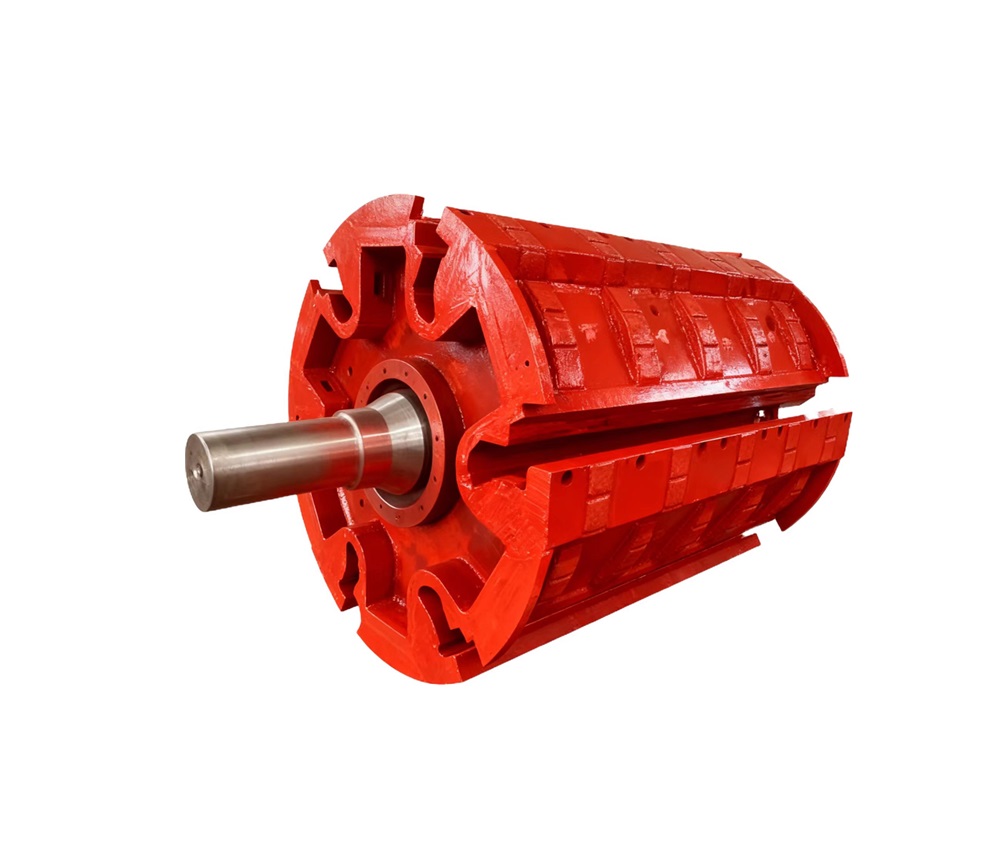
Crucial Demands on Impact Crusher Rotors in Harsh Mining Environments
Managing High-Velocity Dynamic Impact Forces
Impact crushers work by giving rocks that come in a lot of moving energy. This puts a lot of stress on the spinning unit. It is very important to have high-strength casting parts because they can handle constant shock loads without breaking. Without these tough materials, the Rotors’ structure would quickly break down, leading to tiny cracks, imbalance, and catastrophic fails that stop your work.
Preventing Catastrophic Fracture Under Heavy Loads
When heavy mining is going on, processing things that can’t be crushed, like tramp iron, can cause very sudden overloads. Using special casting parts makes them very resistant to breaking and contact force, making them perfect for these high-load situations. Buying high-strength parts keeps the Rotors from breaking suddenly, which keeps your crushing equipment running safely and smoothly.
Ensuring Dynamic Balance and Dimensional Precision
For high-speed machines, keeping the dynamic balance just right is important because small changes in weight can cause big shocks. Heavy-duty parts are made using precision casting techniques, which makes sure that the high-strength parts fit perfectly with the Rotors. This exact fit keeps bearings and supports from wearing out unevenly, which makes the whole crushing system last longer.
Advanced Metallurgy and Casting Techniques for Rotors
Superior Material Selection for Heavy-Duty Wear Parts
Delivering long-lasting wear parts requires careful metallurgical engineering. High-quality casting components are made of alloy steel, high-manganese steel, high-chromium cast iron, or composite materials through casting. These advanced materials provide the essential hardness and toughness needed to support the Rotors, protecting them from abrasive wear while processing hard granite, limestone, and metallic ores.
Precision Casting Methods for Complex Rotor Configurations
Achieving perfect dimensional tolerances in heavy machinery parts requires specialized manufacturing expertise. Utilizing casting by lost-wax, resin sand, or V-method ensures the dimensional accuracy of custom parts. Although tailoring components means delivery schedules vary flexibly depending on design complexity, this precise physical engineering ensures a flawless fit. It allows customized parts to integrate seamlessly with the Rotors, eliminating shifting risks during high-velocity rotation.
Wear-Resistant Components Enhancing Rotor Service Life
Industrial mining environments demand exceptional component longevity to reduce frequent replacement costs. Our specialized heat treatment processes enhance the micro-structure of cast parts, maximizing their overall wear resistance. Integrating these tough, heat-treated casting elements directly shields the Rotors from constant rock abrasion, resulting in less maintenance downtime and more predictable production schedules.
Maximizing Operational Integrity of the Entire Crusher Assembly
Synergizing Blow Bars and Rotors for Impact Performance
An impact crusher relies on the harmonious interaction of several critical wear components. Specifically, blow bars made of high manganese steel, alloy steel, or high chromium cast iron are secured to the Rotors. Ensuring these components are cast from high-strength alloys prevents them from detaching or breaking, thereby safeguarding the rotary core from severe operational damage.
Integrating Forged Main Shafts and Supporting Castings
While casting is excellent for complex shapes, the crusher’s main shaft utilizes a forged process rather than casting to achieve maximum torsional strength. This high-integrity forged shaft works in tandem with the cast Rotors to transmit power efficiently. Surrounding casting parts, like toggle plates and dust seal rings made of high manganese steel, further protect the central assembly.
Enhancing Ancillary Components to Protect the Rotor System
Protecting the core machinery requires heavy-duty auxiliary parts designed to handle intense vibrations. For example, relief springs are manufactured from high-quality spring steel, high-strength steel wire, or carbon steel, while rackbar components are made of alloy steel. These rugged parts work together to absorb structural stress, shielding the Rotors from excessive physical wear and tear.
Conclusion
Optimizing impact crushers requires high-strength casting components to support and protect your high-speed Rotors. By utilizing superior metallurgy, specialized heat treatments, and precision casting methods, industrial operators can ensure maximum durability and seamless alignment. Partnering with a skilled manufacturer to secure reliable, customized mechanical parts is key to reducing operational costs and maximizing plant uptime.
FAQs
Q1: What materials are used to cast components for impact crusher Rotors?
A1: They are cast using high-manganese steel, alloy steel, high-chromium cast iron, or advanced composite materials.
Q2: What is the manufacturing process for a crusher’s main shaft?
A2: The main shaft is manufactured using a forging process rather than casting to ensure superior fatigue resistance under high torsional stress.
Q3: What materials are used for blow bars compared to hammer crusher hammers?
A3: Blow bars for impact crushers are made of high manganese steel, alloy steel, or high chromium cast iron. Hammers for hammer crushers use different specialized alloys tailored to their unique equipment type.
Q4: How do you guarantee the dimensional accuracy of custom castings?
A4: We use precision lost-wax, resin sand, and V-method casting techniques to match original drawing specifications perfectly.
Q5: What is the typical lead time for custom mechanical parts?
A5: Lead times vary flexibly based on drawing confirmations, metallurgy requirements, and custom casting processes.
Work with Xian Huan-Tai for Reliable OEM Parts
At Xian Huan-Tai, we bring over 30 years of industry experience to satisfy your diverse engineering needs. Our professional technical team meets strict client performance and quality requirements for customized mechanical parts, backed by a professional production team that manages quality throughout the entire production process. We are committed to providing excellent service and reliable, custom-engineered components. Ready to upgrade your machinery? Contact our experts today at inquiry@huan-tai.org to request a quote.
References
- Zhang, L. & Miller, P. (2019). Metallurgical Advancements in Heavy-Duty Mining Machinery Castings. Industrial Minerals Press.
- Peterson, D. E. (2021). Design and Dynamic Balance of Impact Crusher Rotor Assemblies. Journal of Mechanical Engineering.
- Schmidt, H. (2018). Wear Analysis of High-Manganese Steel in Mining Applications. Wear & Tribology International.
- Roberts, T. J. (2020). The Role of Precision Casting in Heavy Industrial Machinery. Foundry Technology Review.
- Gallagher, F. & Wu, Y. (2022). Optimizing Crushing Efficiency: Blow Bars and Rotors Maintenance. Rock Processing Quarterly.
