
Toggle plate is an important safety part of jaw crushers. It’s meant to break if the machine is overloaded too much, and it keeps the whole thing from getting badly damaged when it runs into unexpected problems like tramp metal or material that can’t be crushed.
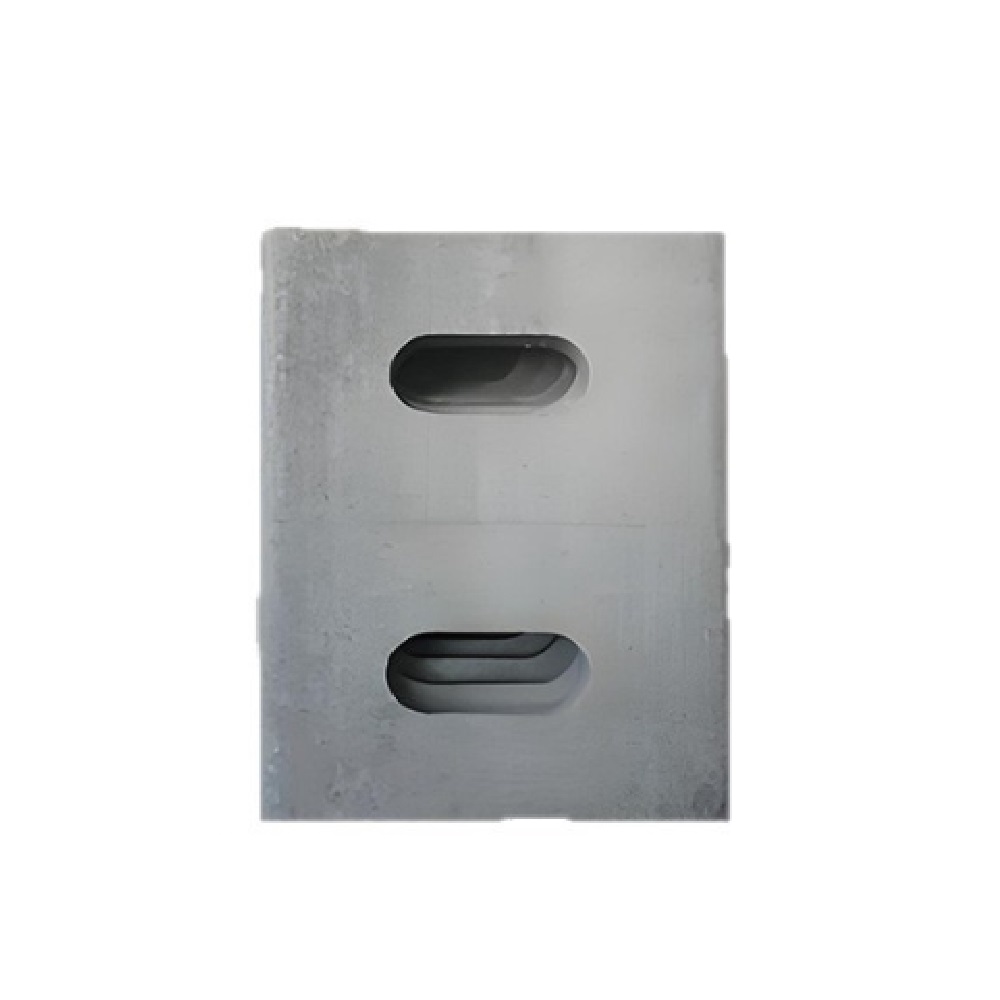
How Toggle Plate Functions as a Safety Mechanism
Acting as a Deliberate Weak Point
Toggle plates are purposely made to be the weakest structural link in the motion assembly of a jaw crusher. This part is meant to fail first when uncrushable material or sudden overloading enters the chamber. This protects more expensive machine parts and limits the amount of service that needs to be done on the crusher afterward. This decision was made on purpose and is not a flaw in the system as a whole. It shows careful planning. The plate’s failure threshold is carefully calibrated by the manufacturer so it only goes off when it’s really overloaded and not when it’s under normal operating stress.
Absorbing Sudden Shock Loading
Toggle plate smoothly moves mechanical force to drive the swing jaw when the machine is running normally. But if there is an abnormal shock loading, its structure lets it quickly collect and release that extra energy. This stops damage from spreading further into the frame and keeps the breaker running as smoothly as possible. This response happens almost instantly, long before stress can build up in the parts of the structure around it. Engineers plan for this behavior to happen on purpose, seeing the Toggle plate as a sacrifice in the bigger plan for security.
Enabling Fast Recovery After Overload Events
This protective design philosophy supports quicker recovery after unexpected overload events because Toggle plate replacement is typically easier and faster than fixing damaged mainframes or shafts. If a facility keeps spare units on hand, it can usually get the crusher back to work with little downtime after an unplanned stoppage. Because of this useful benefit, keeping replacement units on hand is a smart part of overall maintenance planning.
What Makes Toggle Plate Construction Reliable
Strength and Rigidity for Reactive Force
Our Toggle plate is engineered with strong rigidity to withstand the reactive force generated during normal fragmentation cycles, ensuring it performs reliably under everyday operating loads. This balance between strength and controlled failure behavior is essential for consistent, predictable crusher service across varied production environments. Achieving this balance requires careful engineering, since a plate that is too rigid may fail to protect the machine as intended.
High-Manganese Steel for Impact Toughness
Each Toggle plate is cast from high-manganese steel, a material well known for developing a hardened surface layer under repeated impact while retaining internal toughness. This composition supports dependable performance during routine crusher service while still allowing controlled failure under genuine overload conditions when protection is needed most. The material’s ability to harden progressively under stress also contributes to more predictable wear behavior over time.
Precision Casting for Consistent Performance
Dimensional accuracy matters greatly for a Toggle plate, since inconsistent thickness or geometry can cause premature or unpredictable failure. We apply careful casting control to ensure each unit performs consistently, giving operators confidence that their crusher service intervals will follow expected patterns rather than sudden surprises. Consistent dimensional accuracy also simplifies installation across different production batches, reducing the chance of fitment issues when a replacement is needed quickly after an overload event.
How Toggle Plate Failure Affects Crusher Service
Reducing Risk to the Main Frame and Shaft
Without a properly functioning Toggle plate, excessive force from uncrushable material could transfer directly into the main frame or shaft, both of which are far more costly and time-consuming to repair. This protective role significantly reduces the overall scope of crusher service needed after an overload event occurs. Without this safeguard, repair costs and downtime following an overload incident could increase substantially, since force would transfer into structural components that are far more difficult and expensive to service or replace.
Supporting Predictable Maintenance Planning
Because Toggle plate wear and eventual replacement follow a somewhat predictable pattern tied to operating conditions, maintenance teams can incorporate it into routine crusher service scheduling. Keeping spare units available helps avoid extended downtime whenever an overload event triggers the component’s intended protective failure. Building this into a broader maintenance calendar helps teams stay ahead of unexpected production interruptions.
Matching Specifications to Equipment Models
Since jaw crushers vary across manufacturers, sourcing a properly specified Toggle plate requires accurate reference to original equipment drawings or sample parts. Custom orders may involve drawing confirmation and production planning, so operators should account for this when scheduling crusher service and planning ahead for replacement needs. Sharing accurate reference dimensions early in the process helps avoid delays once an overload event occurs unexpectedly.
Conclusion
Toggle plate protects jaw crushers by absorbing overload safely, reducing damage to costlier components elsewhere in the machine. Choosing durable, precisely engineered plates supports reliable, predictable crusher service over the long term.
FAQ
Q1: What is the main purpose of a Toggle plate?
A: It protects the jaw crusher by breaking safely under excessive overload, preventing damage to more expensive components within the assembly.
Q2: What material is used for Toggle plate manufacturing?
A: High-manganese steel, chosen for its impact toughness and ability to work-harden under repeated loading conditions over time.
Q3: How does Toggle plate failure affect crusher service?
A: It significantly reduces the scope of repair needed, since damage stays contained rather than spreading to the main frame or shaft.
Q4: Should operators keep spare Toggle plates on hand?
A: Yes, keeping spares available helps minimize downtime whenever an overload event triggers a protective replacement.
Q5: Can Toggle plate be customized for specific crusher models?
A: Yes, we manufacture parts based on client drawings or sample measurements for precise equipment fitment across brands.
Get a Quote for Custom Toggle Plates
Xian Huan-Tai Technology and Development Co., Ltd. has spent 30 years customizing non-standard mechanical parts for mining and engineering machinery worldwide, earning the trust of overseas clients who value stability, consistency, and predictability. Our production team manages quality through every stage of manufacturing, and our technical team works closely with clients to match performance and quality requirements precisely for each unique application. If your jaw crusher needs a reliable, precisely fitted Toggle plate, our engineers are ready to review your specifications and drawings. Contact us today at inquiry@huan-tai.org to start your inquiry and experience service built on decades of manufacturing expertise.
References
- Bergman, T. “Overload Protection Mechanisms in Jaw Crusher Design.”
- Fujimoto, A. “Manganese Steel Behavior Under Cyclic Impact Loading.”
- Delgado, P. “Safety Component Engineering for Heavy Mining Equipment.”
- Nowak, K. “Structural Failure Modes in Jaw Crusher Motion Assemblies.”
- Odesanya, F. “Maintenance Planning Strategies for Crusher Wear Components.”
