
The toggle plate is a key load-bearing part of jaw crushers, and the choice of material directly affects how long it lasts in real-world use. Strong, rigid, and resistant to contact, high-carbon steel is commonly used in places where things need to be crushed. When made with high manganese steel, a well-made toggle plate can handle strong reaction forces, hard rock uses without wearing down, and long service cycles without changing sizes.
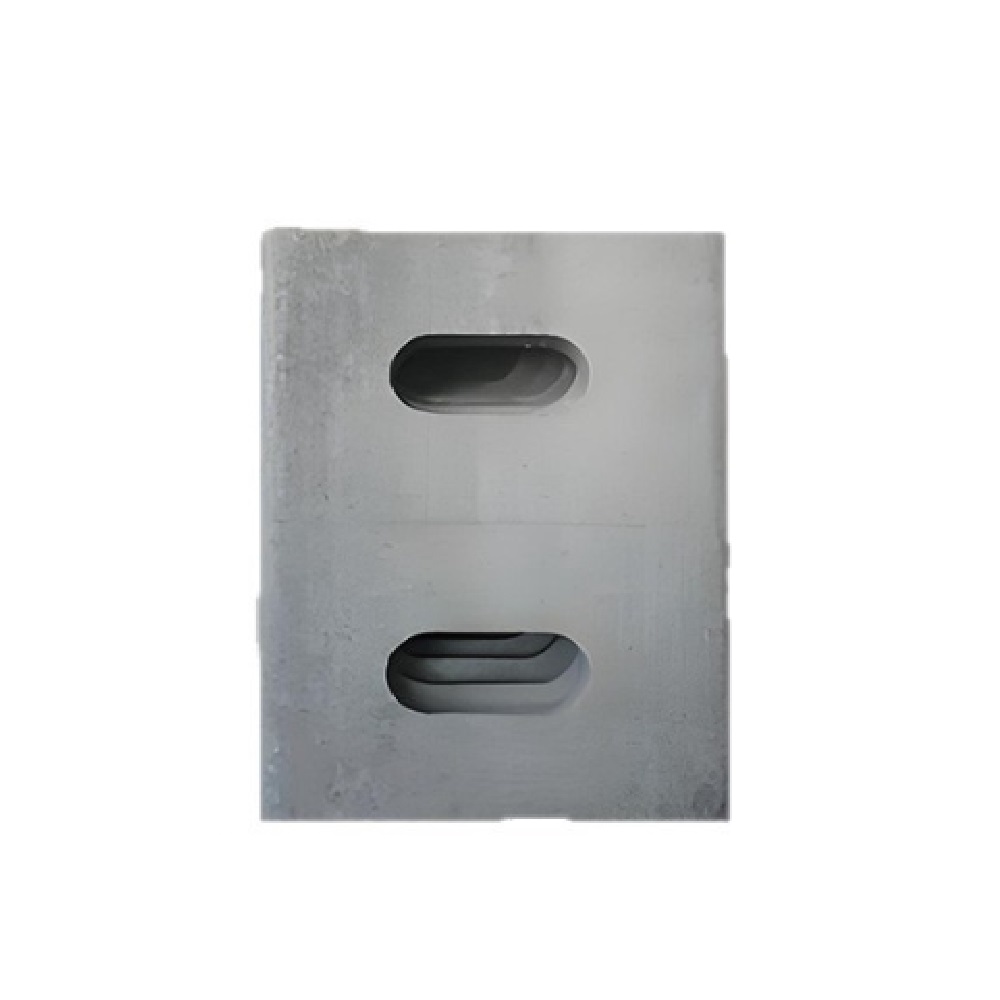
The Mechanical Demands Placed on a Toggle Plate
Force Transmission Under Crushing Loads
The toggle plate takes in and sends out huge compression and reaction forces between the pitman and the frame every time the jaw crusher runs. This means that material strength can’t be changed. A toggle plate made of high-carbon steel or high manganese steel is strong enough to handle these loads without deforming. This keeps the shape of the breaker uniform and keeps more expensive structural parts from breaking during normal operation.
Impact Resistance in Harsh Environments
When used in mining and quarries, large feed materials, tramp metal, and rocks with odd forms can quickly hit crusher parts. The toggle plate needs to be able to handle these shocks without breaking. High-carbon steel and high manganese steel can both withstand repeated impacts. This is exactly why good manufacturers make toggle plates out of these metals instead of standard carbon steel, which isn’t tough enough for demanding engineering and mining uses.
Performance Across Hard Rock Applications
Rock isn’t always the same. Feed materials that are harder, like granite, basalt, and quartzite, put a lot more stress on the inside of the crusher. A toggle plate made of high-quality steel works effectively across a wide range of material hardness levels. Its high resistance to rust makes it perfect for sites that are wet or chemically active. For businesses that consistently handle harder rock, the quality of the material in the toggle plate is directly related to how often the crusher is used and when it needs to be serviced.
Why Material Choice Matters More Than Most Buyers Realize
High Manganese Steel vs. Standard Alternatives
A common misunderstanding is that any kind of structural steel can be used for a toggle plate. In real life, high manganese steel has work-hardening traits that make the surface harder when it is hit, but the core stays tough. Because of this, it works especially well for toggle plates in high-impact crushers. When suppliers try to save money by using cheaper materials, the parts they make wear out faster and break down sooner, which costs buyers more in new parts and lost production time.
Casting Quality and Structural Integrity
If the casting quality isn’t constant, even the best material won’t work well. A trustworthy toggle plate provider manages the metal’s makeup, the temperature at which it is poured, and the rate at which it cools so that the toughness is constant and there are no holes or other imperfections inside the plate that could cause it to crack too soon. At every step of the production process, Huan-Tai’s team of strict process controllers makes sure that every toggle plate meets the high standards for structural stability that mining and industrial equipment needs.
Long-Term Cost of Ownership
Purchasing managers usually only look at the unit price, but a toggle plate’s real cost includes how often it needs to be replaced, how much it costs to install, and how much time it takes to stop production. In heavy-duty situations, a toggle plate made of high-carbon steel or high manganese steel usually lasts a lot longer than cheaper options. Buying the right parts up front lowers the overall cost of repair and helps production managers plan around more regular service times.
What to Look for When Sourcing a Toggle Plate
Supplier Engineering Capability
Jaw crushers vary significantly across manufacturers and models, and many operations run older or modified equipment where OEM parts are no longer available. A capable toggle plate supplier should be able to work from engineering drawings or worn part samples to produce accurate replacements. Huan-Tai’s technical team handles non-standard and customized toggle plate orders, supporting clients whose equipment requirements fall outside standard catalog specifications.
Lead Times and Production Transparency
Standard toggle plate orders for common crusher models can typically be fulfilled within a few weeks. Customized components — particularly those requiring drawing review, material sourcing, or iterative technical confirmation — may take longer depending on complexity. A trustworthy supplier communicates realistic timelines upfront. Vague or over-optimistic delivery promises are a warning sign that should prompt closer scrutiny before committing to an order.
Quality Verification and Documentation
Before accepting a toggle plate shipment, buyers should confirm that material certifications, dimensional inspection records, and hardness test results are available. Reputable suppliers maintain full traceability from raw material to finished part. This level of documentation matters especially for larger machinery manufacturers with formal quality management systems, where incoming inspection requirements are part of standard procurement practice.
Conclusion
The toggle plate’s role in jaw crusher performance makes material quality and manufacturing precision genuinely important — not just a sales claim. High-carbon steel and high manganese steel deliver the strength, impact resistance, and durability that mining and engineering applications require. Choosing a supplier with real casting expertise and engineering capability ensures your toggle plates perform reliably and consistently over their full service life.
FAQ
Q1: What material is a toggle plate made from?
Quality toggle plates are manufactured from high manganese steel or high-carbon steel — not standard carbon steel — to handle the impact and compressive forces inside a jaw crusher.
Q2: How do I know when a toggle plate needs replacing?
Visible cracking, dimensional wear beyond tolerance, or unusual crusher vibration typically signal it’s time to inspect or replace the toggle plate.
Q3: Can toggle plates be customized for non-standard crushers?
Yes. Experienced suppliers can produce toggle plates from drawings or worn samples for older or modified equipment.
Q4: What affects toggle plate lead time?
Standard parts ship faster; customized designs requiring drawing confirmation or special alloy sourcing take longer.
Q5: Is a toggle plate the same across all jaw crushers?
No. Dimensions and load ratings vary by crusher model and manufacturer. Always confirm specifications before ordering.
Work with a Supplier Who Gets It Right
At Xian Huan-Tai Technology and Development Co., Ltd., we’ve spent 30 years manufacturing customized mechanical parts for mining, engineering, and heavy equipment applications. Our professional technical and production teams manage quality at every step — from material selection through final inspection — so you receive toggle plates that perform as expected, every order. Whether you need standard replacements or fully customized components, we’re ready to support your requirements. Please contact us at inquiry@huan-tai.org to get more information.
References
- Wills, B. A., & Finch, J. A. (2015). Wills’ Mineral Processing Technology: An Introduction to the Practical Aspects of Ore Treatment and Mineral Recovery (8th ed.). Butterworth-Heinemann.
- Metso Corporation. (2020). Crushing and Screening Handbook (6th ed.). Metso Minerals.
- Gupta, A., & Yan, D. S. (2016). Mineral Processing Design and Operations: An Introduction (2nd ed.). Elsevier.
- Bearman, R. A., & Briggs, C. A. (1998). The Active Use of Crushers to Control Product Requirements. Minerals Engineering, 11(9), 849–859.
- King, R. P. (2001). Modeling and Simulation of Mineral Processing Systems. Butterworth-Heinemann.
- Napier-Munn, T. J., Morrell, S., Morrison, R. D., & Kojovic, T. (1999). Mineral Comminution Circuits: Their Operation and Optimisation. Julius Kruttschnitt Mineral Research Centre, University of Queensland.
