
A heavy duty cylinder made for high-pressure resistance becomes one of the most important parts of a system when equipment dependability is a must. In underground mining, construction machinery, or industrial equipment, high-pressure resistant hydraulic cylinders provide stable force output, long-lasting structure, and consistent performance even in harsh operating conditions. This makes them the best choice for engineers and procurement managers who can’t afford equipment to break down without warning.
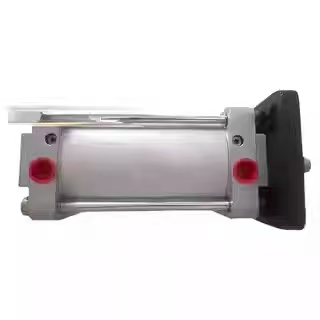
How High-Pressure Resistance Improves System Reliability
Leak-Free Performance Under Continuous Pressure
The fact that a high-pressure durable heavy duty cylinder can stay physically sound and leak-free even when high-pressure hydraulic oil keeps hitting it is one of its most useful features. Undersized cylinders often fail because of seal failure and micro-cracking. But a properly designed cylinder body made from high-quality cast iron or steel can keep the hydraulic system stable over long periods of time without losing pressure or contaminating the fluid.
Structural Integrity in Harsh Environments
In mining and heavy industrial settings, hydraulic parts are exposed to a lot of pressure, shock loads, temperature changes, and rusting all at the same time. A heavy duty cylinder that is built to be very tough and strong lets tools keep running steadily and constantly, even in hard deep circumstances. Quality casting and careful measurement control make sure that the cylinder body keeps its shape when it’s under load. This stops the wear and tear that causes standard-grade parts to break too soon.
Consistent Force Output Across Operating Cycles
Consistent pressure is important for hydraulic systems to work well. When cylinder walls bend or seals break down under long-term high pressure, force output changes, which impacts actuator speed, positioning accuracy, and machine control. A heavy duty cylinder that can handle high pressure stays stable inside throughout its service life. This means that machinery makers and equipment users can count on it to give consistent force output and keep workers safe.
Material and Design Advantages That Make the Difference
Cast Iron and Cast Steel for Superior Load Capacity
The choice between cast iron and cast steel for a heavy duty cylinder body depends on application-specific load profiles and environmental conditions. Cast steel offers higher tensile strength and impact resistance, making it well-suited for applications with dynamic or shock loads. Cast iron provides excellent vibration damping and compressive strength. Both materials, when properly selected and cast, support the high-load operation that engineering and mining equipment demands — and both significantly outlast fabricated alternatives in wear resistance.
Precision Casting for Dimensional Accuracy
Reasonable structural design combined with precise casting and machining is what separates a reliable heavy duty cylinder from a component that looks similar but fails early. Wall thickness uniformity, bore surface finish, and port geometry all affect how the cylinder performs under pressure. Huan-Tai’s production team applies strict dimensional controls throughout the casting and machining process, ensuring each cylinder meets the tolerance requirements that hydraulic system designers specify and field conditions demand.
Design Features That Support Easy Maintenance
A heavy duty cylinder that is difficult to service adds cost to every maintenance cycle. Thoughtful structural design — including standardized mounting interfaces, accessible seal grooves, and straightforward disassembly sequences — significantly reduces installation time and maintenance labor. Castings that are easy to replace and install extend the practical service life of the broader hydraulic assembly, which ultimately lowers the total maintenance cost and downtime exposure for equipment operators over the life of the machine.
Sourcing Considerations for Purchasing and Production Managers
Matching Cylinder Specifications to Application Requirements
Not all heavy duty cylinder applications have the same pressure rating, stroke length, bore diameter, or mounting configuration requirements. Purchasing managers sourcing cylinders for mining equipment, construction machinery, or industrial presses need to confirm that the supplier’s engineering team can work from detailed specifications or application parameters — not just standard catalog dimensions. Mismatched specifications lead to premature failure regardless of material quality, making technical alignment between buyer and supplier essential before production begins.
Lead Times for Standard and Custom Cylinders
Standard heavy duty cylinder configurations for common equipment platforms can typically be delivered within a reasonable timeframe. However, customized designs — particularly those requiring multiple rounds of drawing confirmation, special material sourcing, or complex machining operations — may involve longer production cycles. A reliable supplier communicates these timelines clearly and proactively flags potential delays during the technical review phase, giving production planners the information they need to manage schedules effectively.
Quality Documentation and Traceability
For larger machinery manufacturers with formal incoming inspection requirements, cylinder quality documentation is as important as the part itself. Material certifications, dimensional inspection records, pressure test results, and casting quality reports should accompany every shipment. A supplier with a professional production team that manages quality throughout the entire process — from raw material verification through final inspection — provides the traceability that procurement and quality teams require to approve components with confidence.
Conclusion
High-pressure resistant hydraulic cylinders deliver real operational value: stable system performance, durable construction, and lower long-term maintenance costs. For mining, engineering, and heavy equipment applications where reliability directly affects productivity, investing in a properly specified and well-manufactured heavy duty cylinder is a straightforward decision that pays off across the full service life of the equipment.
FAQ
Q1: What materials are heavy duty cylinders typically made from?
Most heavy duty cylinders are manufactured from cast iron or cast steel, selected based on load type, pressure rating, and operating environment.
Q2: How long does a heavy duty cylinder last in mining applications?
Service life depends on operating pressure, maintenance frequency, and material quality. Properly specified cylinders in well-maintained systems typically deliver long, reliable service intervals.
Q3: Can heavy duty cylinders be customized for non-standard equipment?
Yes. Experienced suppliers can produce cylinders from engineering drawings or application specifications for non-standard or older equipment platforms.
Q4: What affects lead time for custom cylinder orders?
Drawing confirmation, material sourcing, machining complexity, and casting process requirements all influence production timelines.
Q5: How do I verify cylinder quality before accepting delivery?
Request material certifications, dimensional inspection reports, and pressure test records from your supplier as standard documentation with each order.
Ready to Source Heavy Duty Cylinders You Can Rely On?
Xian Huan-Tai Technology and Development Co., Ltd. has been manufacturing customized mechanical parts for engineering and mining applications for over 30 years. Our technical team works closely with clients to meet specific performance and quality requirements, while our production team manages quality at every stage — from casting through final inspection. Whether you need standard configurations or fully customized solutions, we deliver consistency you can plan around. Contact us at inquiry@huan-tai.org to get more information.
References
- Merritt, H. E. (1967). Hydraulic Control Systems. John Wiley & Sons.
- Nervegna, N., & Rundo, M. (2021). Passi nell’Oleodinamica / Fluid Power Systems. Politecnico di Torino.
- Esposito, A. (2008). Fluid Power with Applications (7th ed.). Pearson Prentice Hall.
- Manring, N. D., & Fales, R. C. (2019). Hydraulic Control Systems (2nd ed.). John Wiley & Sons.
- Wills, B. A., & Finch, J. A. (2015). Wills’ Mineral Processing Technology (8th ed.). Butterworth-Heinemann.
- Stringer, J. (1976). Hydraulic Systems Analysis: An Introduction. John Wiley & Sons.
