
Side liner plate wear happens when the safe surface is worn away over time by repeated contact and friction inside the grinding cavity. Knowing what causes it helps operators plan replacements ahead of time and avoid unplanned downtime.
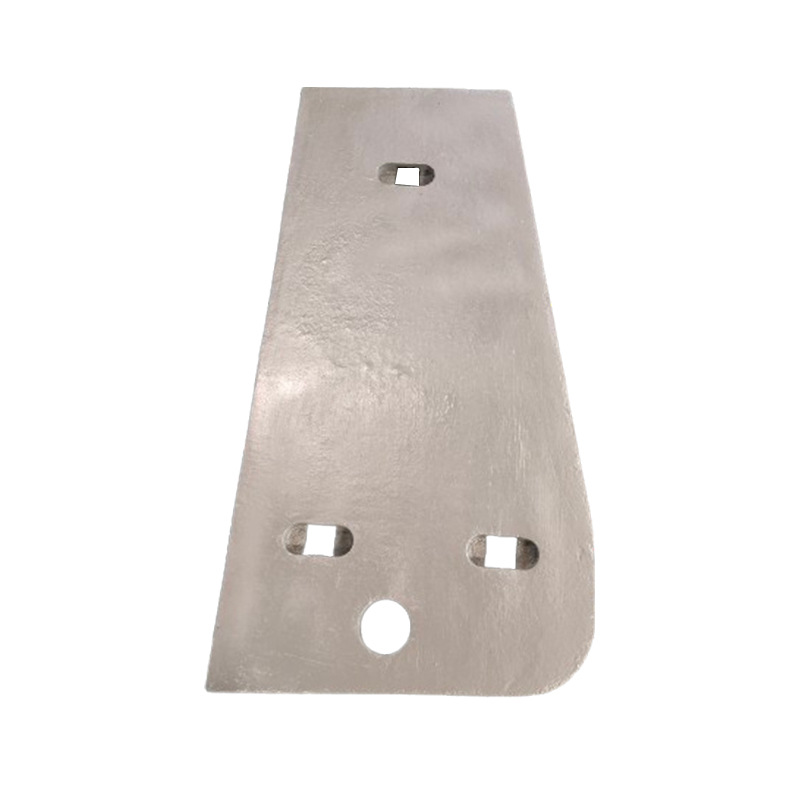
What Causes Side Liner Plate Wear in Cone Crushers
Continuous Friction from Material Flow
The rock constantly rubs against the Side liner plate as it goes through the crushing chamber, making its surface thinner over time. During normal operation, this friction can’t be avoided. However, the rate of wear varies a lot on how hard the material is and how well the cone crusher plates are placed. When operators look at feed traits over time, they often see a link between how rough the rocks are and how fast this natural wear happens.
Impact Stress from Feed Material Variation
Impact spikes happen quickly against the Side liner plate when the feed size isn’t even or when hard particles are added to the material stream out of the blue. Over time, these uneven loads speed up localized wear patterns, especially in places where cone crusher plates come into close touch with bigger or harder rock pieces while they are being processed. Keeping the feed size consistent and managing the hopper correctly can help a lot with lowering these quick stress spikes.
Operating Conditions and Production Intensity
Since more material moves through the chamber in less time during high-throughput operations, the Side liner plate naturally faces more stress over time. While working long shifts or handling very rough rocks, places that use cone crushers often notice that all of their parts wear out faster. Sometimes, changing the rate of production or the operating schedules can help spread this stress out more evenly.
How Material Selection Prevents Premature Wear
High-Manganese Steel for Impact Absorption
Depending on the need, our Side liner plate can be made from high-manganese steel, alloy steel, high-chromium cast iron, or a mix of these. High-manganese steel, in particular, gets harder when it is hit over and over again. This makes the top layer of the cone crusher plates less likely to break during long rounds of high loads. Because it naturally hardens, it works really well in environments where heavy-duty processing is going on all the time.
Precision Casting for Dimensional Consistency
Each Side liner plate is made with precise measurements using lost-wax casting, resin sand casting, and the V-method casting. This accuracy makes sure that the cone crusher liner fits correctly inside the crushing chamber. This stops stress from being distributed unevenly, which could otherwise cause the liner to wear unevenly across its working surface. Tolerances that stay the same across production batches also make it easier for maintenance teams to install replacement parts.
Fracture Resistance for High-Load Environments
In addition to being hard on the outside, a well-designed Side liner plate must not crack when stressed over and over again. Our casting process strikes a balance between hardness and structural toughness. This gives cone crusher plates the fracture resistance they need to work consistently in high-load, high-strength crushing situations without failing too soon. This balance is especially important for businesses that work with thick or very rough rock.
How to Extend the Service Life of Side Liner Plates
Monitoring Wear Patterns Regularly
By planning regular checks, operators can keep track of how fast the Side liner plate is wearing down and spot any uneven patterns early on. By comparing the current width to the baseline measures, maintenance teams can figure out when to repair cone crusher plates so that they don’t stop working properly or cause damage to other parts nearby. It’s easier to see these trends and take action when you keep a simple wear log between checks.
Matching Liner Specifications to Application
Choosing the right Side liner plate standard for the type of rock and production rate has a big impact on how long it lasts. Operators should share specific application data, such as the hardness of the feed material and the output goals, so that cone crusher plates can be perfectly matched to the real-world conditions, rather than just guesses. This customized method usually leads to more reliable wear cycles and fewer repairs that come up out of the blue.
Planning Ahead for Custom Replacement Orders
Many processes need Side liner plate parts to be made according to specific drawings. This means that replacement orders usually involve carefully checking the specifications and planning the production. Because lead times can be different depending on how complicated the job is, cone crusher operators should plan to replace the liners well before they wear out. Working together with the manufacturing team early on also lets you change the specs if the working conditions change before the order is finished.
Conclusion
Side liner plate wear is a normal part of using a cone crusher. Knowing why it happens and picking good materials can help operators keep the machine running smoothly and extending its service life.
FAQ
Q1: What causes Side liner plate wear?
A: Continuous friction from material flow and impact stress from feed variation are the primary causes of wear.
Q2: What material is used for Side liner plate manufacturing?
A: High-manganese steel, alloy steel, high-chromium cast iron, or composite materials, depending on application requirements.
Q3: How often should cone crusher liners be inspected?
A: Regular scheduled inspections help track wear progression and allow timely replacement planning before performance declines.
Q4: Can Side liner plates be customized for specific crushers?
A: Yes, we manufacture parts to client drawings and exact equipment specifications for precise fitment.
Q5: Does feed material type affect wear rate?
A: Yes, harder or more abrasive material accelerates wear on Side liner plate surfaces significantly.
Get a Quote for Custom Side Liner Plates
Xian Huan-Tai Technology and Development Co., Ltd. has spent 30 years customizing non-standard mechanical parts for mining and engineering machinery worldwide. Our production team manages quality through every stage, and our technical team works closely with clients to match performance requirements precisely. If your cone crusher needs reliable replacement liners, our engineers are ready to review your specifications and drawings. Contact us today at inquiry@huan-tai.org to start your inquiry and experience service built on decades of manufacturing expertise.
References
- Whitfield, G. “Wear Mechanisms in Cone Crusher Liner Systems.”
- Zhao, Y. “Manganese Steel Behavior Under Repeated Impact Loading.”
- Kowalski, M. “Casting Precision and Its Effect on Crusher Liner Performance.”
- Silva, R. “Material Selection Strategies for High-Wear Mining Equipment Parts.”
- Bennett, T. “Maintenance Planning for Crushing Equipment in Aggregate Production.”
