
Picking the correct material for a gearbox housing can change a lot of things, from how much it weighs and how it reacts to heat to how well it can handle constant high loads in tough conditions. Cast iron and aluminum are the two most common materials used to make gearbox housings. Each has its own set of benefits. To make the right choice for any purpose, you need to know where each material does well and where it stops working well.
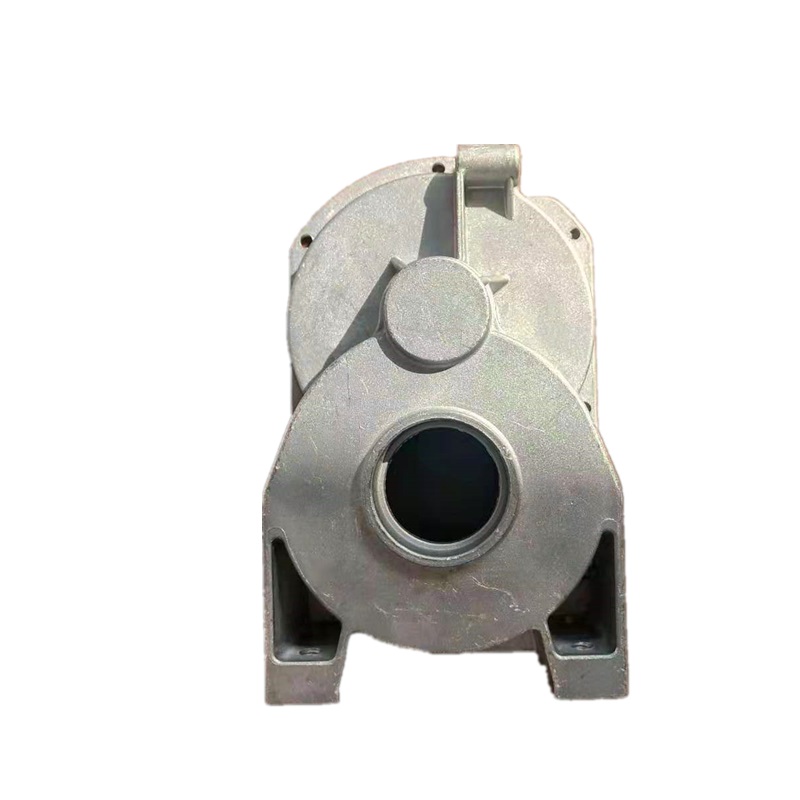
How Aluminum and Cast Iron Differ as Gearbox Housing Materials
Structural Strength and Load-Bearing Capacity
Because it is stronger and more stiff under long-term load, cast iron has long been the best material for gearbox housings in heavy-duty industry and mining settings. For a long time, a cast iron gearbox housing won’t bend or get wear cracks from the constant mechanical stress of high-load operation, such as the changes in internal pressure caused by gear mesh forces and hydraulic oil. When comparing section thickness, aluminum has lower structural strength. This means that bigger walls are usually needed to meet the stiffness of a cast iron frame.
Weight and Its Practical Implications
When it comes to gearbox housings, aluminum is better than cast iron because it is lighter. At the same volume, an aluminum housing weighs about one-third as much as a cast iron version. This is important for mobile machinery, moving equipment, and other situations where the total weight of the machine needs to be kept low. This advantage isn’t as important for stable industrial machinery and deep mining equipment, where long-term structural stability is more important than total weight. Instead, cast iron’s higher strength and ability to dampen vibrations become the most important factors in choosing this material.
Thermal Conductivity and Heat Dissipation
Aluminum moves heat about four times better than cast iron. This makes aluminum gearbox housings naturally better in situations where heat rejection from the grease is a problem. In gears with a high speed and low load, this can lower the working temperature and make the oil last longer. Cast iron’s structural stability at higher temperatures is typically more valuable than aluminum’s faster heat transfer rate in heavy industrial and mine gearboxes, where the gearbox housing must maintain integrity under thermal cycling while supporting high mechanical loads.
Why Cast Iron Remains the Standard for Industrial and Mining Gearbox Housings
Toughness and Resistance to Impact in Harsh Environments
In heavy engineering and underground mining, gearbox housings are often subject to situations other than steady-state mechanical load. These include quick shock loads, shaking, and physical impacts from the surroundings. High-quality cast iron or steel used to make the gearbox housing is tough and strong enough to work continuously in these situations without breaking. The thick material does a good job of absorbing and damping vibration. This keeps the internal gear train and bearings from wearing out faster over time, which is what vibration does.
Sealing Integrity Under Hydraulic Pressure
A lot of industrial gearbox housings are used in hydraulic or lubrication circuits, where they have to keep a seal that doesn’t leak even when oil pressure is constant. Due to its structural stability and reluctance to creep under stress, cast iron is a good material for this job. A well-made cast iron gearbox housing stays intact and leak-free even after being hit by high-pressure hydraulic oil over and over again. This is a very important efficiency feature for gears that are used in mining equipment and hydraulic drive systems.
Long Service Life and Ease of Maintenance
Cast iron gearbox housings last longer in high-load situations, which more than makes up for their higher starting weight. Because they are resistant to wear, stable in size, and don’t change shape when loaded, the case keeps its original shape, which means that the bearing seat and shaft alignment stay the same for as long as it’s in use. A well-designed cast iron gearbox housing is easy to swap out when it needs to be replaced. This cuts down on equipment downtime and keeps total repair costs low over the machine’s working life.
Selecting the Right Gearbox Housing Material for Your Application
Application Load Profile and Operating Environment
To choose the right material for a gearbox housing, you must first have a good idea of the load profile and the area in which it will be used. A cast iron or cast steel gearbox housing is the most reliable and long-lasting choice for heavy-duty machines that are used all the time, like mine conveyors, industrial crushers, heavy lifting equipment, and more. When the structural needs can be met within its mechanical limits, aluminum becomes a more appealing choice for lighter-duty or mobile uses where weight reduction has direct operating benefits.
Customization and Precision Casting Requirements
Precision casting methods make sure that both aluminum and cast iron gearbox housings have exact sizes, clean inside surfaces, and no holes or shrinking problems. A sensible structure design and accurate casting make sure that the housing can handle high loads without any stress building up inside it. The production team at Huan-Tai uses customer models or samples to make gearbox housings that are the right size and made of the right material for each job. The quality of the casting is checked at key stages before it is sent out.
Lead Time and Procurement Planning
Within a fair amount of time, standard gearbox housing designs can be made and sent out for common types of machines. It takes longer to make customized or non-standard housings because the drawings need to be confirmed, the material specifications need to be approved, and the tools need to be prepared. This is especially true for first-time orders with complex design. When people ask about wait times, Huan-Tai gives them accurate numbers. This lets the purchasing and maintenance teams plan their buying well before planned repair windows or new equipment builds.
Conclusion
Each aluminum and cast iron can be used to make gearbox housings. The best material to use depends on the needs of the application. Cast iron and steel are still the best materials for making big industrial and mining equipment that needs to be strong, keep its shape, and last a long time under heavy loads. When effective weight savings are important and load demands are within aluminum’s ability, it offers real practical benefits that should be thought about during the design phase.
FAQ
What’s the reason why cast iron is better than metal for mine gearbox housings?
Cast iron is better for mining and heavy industry uses because it is stronger, less likely to vibrate, and stays the same size even when it’s under constant high loads and impacts.
Can a gearbox housing be made to fit a design that isn’t standard?
Yes, Huan-Tai makes custom gearbox housings based on customer samples or plans. The type of material used and the casting process are chosen based on the needs of the application.
How does the quality of the casting affect how well the gearbox housing works?
Accurate measurements and no internal flaws guarantee the right shape of the bearing seat, leak-free sealing surfaces, and structural stability, all of which are necessary for long-lasting dependability.
As a general rule, how long does a cast iron gearbox housing last?
If you install and take care of a well-made cast iron gearbox housing the right way, it can last for many years in heavy industrial settings before it needs to be replaced.
Does Huan-Tai offer gearbox housings made of both cast iron and steel?
Yes, Huan-Tai makes gearbox housings out of both cast iron and cast steel. The type of material used depends on the load needs, working conditions, and size requirements of the customer.
Looking for a Gearbox Housing Manufacturer You Can Count On?
Xian Huan-Tai Technology and Development Co., Ltd. has been making special, non-standard mechanical parts for mining and industrial uses all over the world for more than 30 years. Our professional technical team makes sure that every gearbox housing meets your performance and size requirements by reviewing the drawings and choosing the right materials and then casting, cutting, and final testing. We can help you whether you need a straight copy or a design made just for you. Send your enquiry to: inquiry@huan-tai.org.
References
1. Shigley, J. E., Mischke, C. R., & Budynas, R. G. (2004). Mechanical Engineering Design (7th ed.). McGraw-Hill.
2. Ashby, M. F. (2011). Materials Selection in Mechanical Design (4th ed.). Butterworth-Heinemann.
3. Norton, R. L. (2006). Machine Design: An Integrated Approach (3rd ed.). Pearson Prentice Hall.
4. Gupta, A., & Yan, D. S. (2006). Mineral Processing Design and Operations: An Introduction. Elsevier Science.
5. ASM International (1990). Metals Handbook, Volume 1: Properties and Selection — Irons, Steels, and High-Performance Alloys (10th ed.). ASM International.
6. Bralla, J. G. (1998). Design for Manufacturability Handbook (2nd ed.). McGraw-Hill.
