
One of the most important technical parts of a jaw crusher is the toggle plate, but most people don’t think much about it until it breaks. The toggle plate, which is between the moving jaw and the back frame, sends the full crushing force to the material every turn and also acts as a mechanical spark to keep the machine from overheating and exploding. Its shape, material, and the quality of its construction directly affect how well and consistently the whole crushing system works in real life.
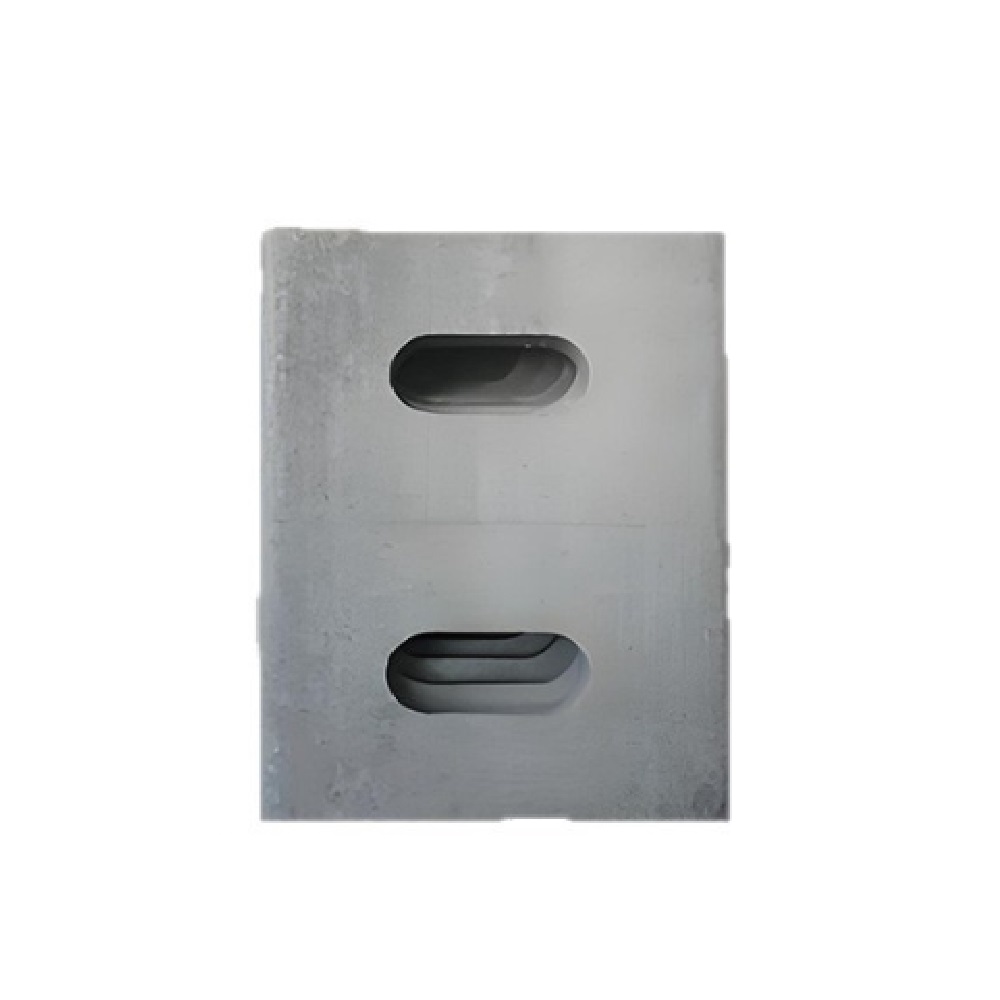
What the Toggle Plate Does and Why Its Design Matters
Force Transmission Through the Toggle Plate
The toggle plate carries the force that is created when rock is broken between the fixed and moving jaws during each compression stroke of the jaw crusher. In hard rock mining and tunneling, this force can get very high, and the toggle plate has to be able to smoothly transfer it to the rear frame without breaking or deforming. Because of this, the strength of the toggle plate directly affects how much breaking force the machine can consistently produce per turn.
The Toggle Plate as an Overload Protection Device
Along with transferring force, the toggle plate is designed to be the first line of defense against material that can’t be crushed entering the chamber. The toggle plate is made to give way before the load can damage the eccentric shaft, bearings, or frame when a piece of steel, wood, or other tramp material causes a quick force spike that is too high for the machine. This safety feature was built into the toggle plate’s material requirements and cross-section shape from the beginning of the design process.
Geometric Design and Jaw Discharge Setting
What controls the closed-side setting of the jaw crusher is the gap at the bottom of the crushing chamber that decides the biggest particle size that can come out of it. This gap is controlled by the length and end-profile shape of the toggle plate. To change the product range, toggle plates are sometimes changed on purpose during setup. This is because different toggle plate lengths produce different discharge settings. Getting this measurement right is important for both the speed of the work and meeting the requirements of the downstream standard.
Material Selection: Why Toggle Plates Are Made from High-Manganese Steel
Why High-Manganese Steel Is the Standard Choice
Toggle plates are made of high-manganese steel instead of carbon steel because most of the force acting on them is impact-based rather than compression. When hit over and over, high-manganese steel work-hardens gradually, creating a hard surface layer while keeping a tough core. Carbon steel can’t match this mix. Because of this, high-manganese steel toggle plates are perfect for the repeated, high-energy loading processes that are common in engineering and mining for breaking hard rocks.
High Carbon Steel for Specific Applications
For situations where compressive strength is more important than impact toughness, like in some secondary crushing stages that use pre-sized feed, toggle plates made of high carbon steel are very rigid and don’t bend easily when they are under long-term load. Another benefit of high carbon steel is that it doesn’t rust, which is useful for tools that work outside or in wet places. Huan-Tai chooses the right grade of material for each order by looking at the type of crusher and how it will be used.
Casting Quality and Its Effect on Toggle Plate Reliability
Any casting method can make a toggle plate work well, but only that process can make it last. There are flaws inside high-manganese steel that can cause cracks to start. These flaws can be porosity, shrinking holes, or segregation, and they can happen at the worst possible time during production. At the casting and finishing stages, Huan-Tai’s production team uses set checking routines to make sure that every toggle plate that leaves the factory is free of any material flaws.
Installation, Maintenance, and Replacement of Toggle Plates
Correct Seating and Lubrication at Installation
Before the machine can be used, the toggle plate has to be firmly placed in both ends of its pockets, right up against the moving jaw block and the rear frame toggle seat. Uneven sitting leads to edge loading, which focuses stress in a small area and greatly reduces the toggle plate’s useful life. It is best to keep the contact surfaces clean and lightly greased so that the small rotating movement that happens during each crushing cycle doesn’t cause rough wear at the contact points.
Inspection Intervals and Wear Monitoring
At every planned repair stop, the toggle plate should be checked for breaks, warping, and wear at the end contact pads. In situations where the rock is hard, the contact pads may need to be replaced or built up before the body of the toggle plate is worn out. Keeping a maintenance log of the state of the toggle plates helps the team correctly predict when to replace them, which saves money and time by avoiding the cost and downtime of an unexpected failure during a production shift.
Lead Time and Customization for Replacement Toggle Plates
It’s usually easy to find replacement toggle plates for standard crusher models. But it takes longer to make parts that don’t fit standard or custom specs because they need to be confirmed on drawings, materials must be approved, and tools must be prepared. At the question stage, Huan-Tai gives clear lead time predictions based on the part shape and order volume. This lets maintenance planners match replacement plans with planned break windows instead of having to fix problems as they happen.
Conclusion
The toggle plate is a very well-made part that does a lot more than just connect the moving mouth to the back frame. How well the crusher transfers force, how well it avoids overloading, and how regularly it produces the necessary output size depend on the type of material used, the quality of the casting, the shape, and the state of the machine when it was installed. When it comes to mining and engineering that need reliable breaking, the toggle plate needs the same care as any other important wear part.
FAQ
Q1: What material is a toggle plate made from?
High-manganese steel is the standard material for toggle plates in jaw crushers, chosen for its work-hardening properties and impact toughness. High carbon steel is used in applications where compressive strength and rigidity are the primary requirements.
Q2: How does a toggle plate protect the jaw crusher?
It acts as a mechanical fuse — designed to yield under extreme overload before the force reaches and damages the eccentric shaft, bearings, or main frame structure.
Q3: Can toggle plates be customized to adjust the discharge setting?
Yes. Different toggle plate lengths produce different closed-side settings, allowing operators to adjust the crusher’s output particle size to match downstream processing requirements.
Q4: How often should a toggle plate be replaced?
Replacement frequency depends on operating conditions and feed material hardness. Regular inspection at maintenance intervals allows wear trends to be tracked and replacements planned proactively.
Q5: Can Huan-Tai supply non-standard toggle plates?
Yes. Huan-Tai manufactures customized toggle plates to customer drawings or samples, with material grade and dimensions matched to the specific crusher model and application requirements.
Source Your Toggle Plates From a Manufacturer You Can Rely On
Xian Huan-Tai Technology and Development Co., Ltd. has over 30 years of experience producing customized non-standard mechanical parts for engineering and mining applications worldwide. Our professional technical and production teams manage every order from material selection through casting, machining, and final inspection — so you receive toggle plates that meet your dimensional and performance requirements, delivered on a timeline you can plan around. Ready to get started? Send your drawings or specifications to: inquiry@huan-tai.org.
References
1. Wills, B. A., & Finch, J. A. (2015). Wills’ Mineral Processing Technology: An Introduction to the Practical Aspects of Ore Treatment and Mineral Recovery (8th ed.). Butterworth-Heinemann.
2. Metso Corporation (2020). Crushing and Screening Handbook (6th ed.). Metso Minerals.
3. Gupta, A., & Yan, D. S. (2006). Mineral Processing Design and Operations: An Introduction. Elsevier Science.
4. Bearman, R. A., & Briggs, C. A. (1998). The Active Use of Crushers to Control Product Requirements. Minerals Engineering, 11(9), 849–859.
5. Lindqvist, M., & Evertsson, C. M. (2003). Liner Wear in Jaw Crushers. Minerals Engineering, 16(1), 1–12.
6. ASM International (2002). Fatigue and Fracture: Understanding the Basics. ASM International.
