
Side liner plates made of alloy steel and high-chromium cast iron can handle different kinds of wear. When scratching is the main issue, high-chromium cast iron is usually better. But alloy steel that has been heated up properly might be better for stronger shocks and impacts. What the right side liner plate is made of is not clear from its name alone. Also, the design of the crusher, its support, and its upkeep requirements come into play. Compare these things to find the best deal between expected delivery times, service life, and replacement costs.
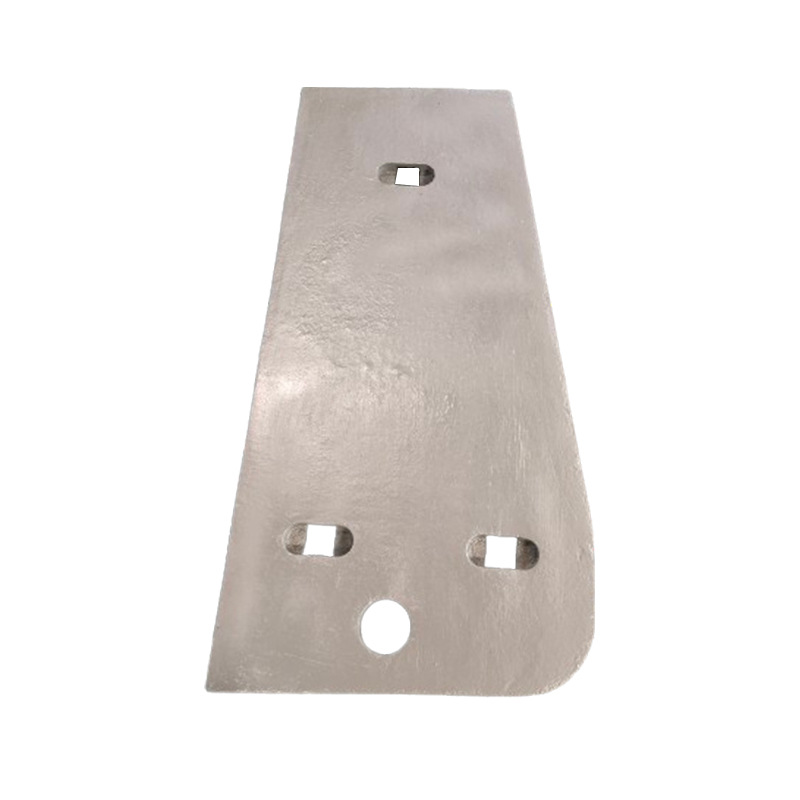
How Do High-Chromium Cast Iron and Alloy Steel Compare?
Abrasion Resistance and Wear Pattern
Iron that has a lot of chromium in it is hard and full of carbides, so it can handle rough mineral feed. A side liner plate keeps the crusher chamber from wearing down over time from rock wear. If you only compare claims about hardness, you might miss the point. It depends on the amount of chromium, the structure of the matrix, the heat treatment, how sound the casting is, and how rough the feed is.
Impact Toughness and Fracture Resistance
Alloy steel can be tough and strong at the same time if its chemistry and heat treatment are just right for the job. A side liner plate that will be hit, snagged, or vibrated a lot may need to be tough and have good section support as well as a hard surface. Before you order, you should ask the company that made the equipment about the grade, the condition of the heat treatment, and the design loads.
Wear Patterns and Service Conditions
Neither of these things ever come out on top of a crusher. High-chromium cast iron side liner plates can handle a lot of wear and controlled pressure. For higher shock, an alloy steel plate that has been properly designed may be better. Check the speed of the rotor, the size of the rock coming in, where the liner is, and the pattern of wear that you know. If there aren’t many working data, look at the cover that was taken off and ask the OEM or seller to check it out.
How Do Manufacturing Choices Affect Side Liner Plate Reliability?
Casting Route and Material Options
To start making a side liner plate, you need to pick a material and a casting method that work with the part’s shape, size, and weight. You can use alloy steel, high-manganese steel, high-chromium cast iron, or a good composite material. Lost-wax casting is a good way to make small, complicated shapes. You can use the resin-sand or V-process method to make commercial casts. Still, it’s important to look over the drawings and agree on the limits.
Heat Treatment and Quality Inspection
You can change how hard, tough, and stable their dimensions are by heating cast iron and alloy steel. Make sure that the accepted model and the side liner plate match in terms of the holes for fixing, the thickness, the shape, and any other important features. Before you start making things, you should talk about how to identify the materials, how to check them, and any agreed-upon mechanical or strength tests. This way, the buyer will know what records are sent with the batch.
Fit, Thickness, and Crusher Configuration
And even a sound casting needs firm, even help. If a side liner plate doesn’t sit right, gaps or uneven clamping can cause load to build up and speed up wear in that area. Check the crusher type and where the plates are placed, and look at the matching surfaces and bolts while they are being installed. Then, follow the OEM’s instructions for torque and spacing. It’s easier to figure out wear patterns after the fact when the fit is correct.
How Should Buyers Choose the Right Side Liner Plate?
High-Chromium Cast Iron for Abrasive Duty
High-chromium cast iron makes sense for the side liner plate if the feed is very rough and the impact is moderate. Its wear pattern can help you go longer between replacements in the right situations. Talk to the seller about the type of rock, the size of the feed, the thickness of the liner, and how it will be mounted. Also, make sure that the casting design can handle the machine’s real impact profile.
Alloy Steel for Impact-Heavy Conditions
If the side liner plate is going to be hit hard, move back and forth, or come into contact with hard material that can’t be broken, cast alloy steel might be a better choice. If the right grade, heat treatment, and section dimensions are chosen, its toughness can handle tough service. Check to see if the proposed material will fit in the crusher and compare how much it will cost to repair and replace parts over the course of the operation.
How to Specify and Compare Supplier Quotes
To get a useful quote, you need to send a picture or example of the worn side liner plate, along with the type of the crusher, the material you want, the working conditions, the amount you expect to order, and any inspection records that are needed. Tell us if the lowest starting cost, longer wear life, or stable batch stability are the most important things. Custom lead time depends on confirming the drawing, the casting route, the machining, and any changes that need to be made. This is why early technical coordination helps plan the schedule better.
Conclusion
Most of the time, high-chromium cast iron is best for abrasive, controlled-impact work. Alloy steel, on the other hand, can be useful when toughness and shock resistance are important. For the side liner plate specifically, check your choice against the design, feed, inner position, production method, and testing needs of the crusher. Buyers can figure out how much something will cost to replace, how well it fits, how long it will last, and when it will be delivered without just looking at the material labels.
FAQs
Which material is better at resisting wear and tear?
When abrasion is the main problem, high-chromium cast iron usually works well. However, liner life also depends on feed, impact, alloy condition, installation, and mounting details.
Which material can take a hit better?
When alloy steel is properly chosen and heated, it can become tough enough to be useful. Before changing materials, make sure that the design of the crusher and the load pattern match the service conditions.
Can I get high-manganese steel or a composite material?
They might work well for certain jobs and designs. Make sure it works with the OEM, and ask the seller to look at the model and the conditions of use to find a balance between performance and cost.
What kinds of casting methods are there?
Based on the part size, shape, metal, and accuracy needs, lost-wax, resin-sand, and V-process casting may be considered. The drawings should be looked over before production starts.
What should be in a request for a quote?
For a useful technical study, send the machine model, plan, or example, along with its measurements, the material you’d like to use, information about its job, the amount you need, the testing needs, and your schedule.
Request a Custom Side Liner Plate Quote
Want a replacement side liner plate that is made to fit your crusher and your drawing? Xian Huan-Tai Technology and Development Co., Ltd. is a company in China that has been making special, non-standard mechanical parts for 30 years. They have a professional expert team, as well as production and testing teams that make sure quality is maintained throughout the whole process. We provide quick service, engineering that is focused on applications, and useful schedule coordination. Send a model, example, or information about the machine so that we can look it over and give you a quote. Send us an email at inquiry@huan-tai.org with your top priorities for price, quality, and delivery.
References
- John Campbell, Complete Casting Handbook: Metal Casting Processes, Metallurgy, Techniques and Design, 2nd ed., Elsevier, 2015.
- George E. Dieter, Mechanical Metallurgy, 3rd ed., McGraw-Hill, 1986.
- J. R. Davis, ed., ASM Specialty Handbook: Cast Irons, ASM International, 1996.
- Kenneth C. Ludema, Friction, Wear, Lubrication: A Textbook in Tribology, CRC Press, 1996.
- ASM Handbook Committee, ed., ASM Handbook, Volume 1: Properties and Selection: Irons, Steels, and High-Performance Alloys, 10th ed., ASM International, 1990.
