
The jaw stock, which holds the fixed and swing jaw plates in place and takes the full force of the breaking, is the jaw crusher’s structural core. Heavy-duty crushing lines can keep going through rough ore, hard rock, and constant overload without cracking, warping, or losing their alignment as long as the jaw stock is strong.
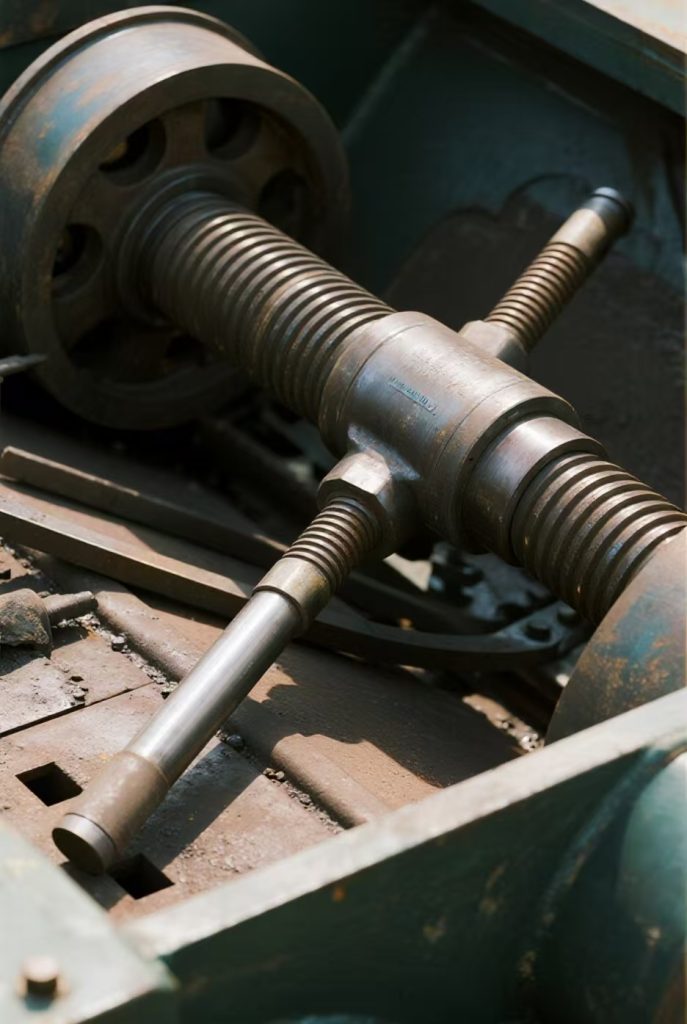
What Makes a Jaw Stock Durable for Heavy Duty Crushing?
Built for High Strength and Rigidity
A reliable jaw stock is made to be very strong and rigid so that it can handle the force that is created when rock fragments fall into the chamber. When a heavy load is put on lighter crusher parts, they bend. But a properly reinforced jaw stock doesn’t bend. It keeps the swing jaw aligned and keeps other parts from wearing unevenly during continuous heavy duty operation.
Cast from High Manganese and High Carbon Steel
Huan-Tai makes jaw stock out of high manganese steel and high carbon steel, which are chosen because they don’t crack when hit over and over again. This mix makes crusher parts tough enough to withstand shock loads cycle after cycle, which means they last much longer than parts made from regular carbon steel.
Ready for Harder Rock and Corrosive Environments
This type of jaw stock works consistently against harder rocks that would wear out regular crusher parts more quickly because it is cast instead of being made from light plate. The type of material also makes it very resistant to corrosion, so the jaw stock will stay the same size even in damp quarries or coastal mining sites.
How Do You Choose the Right Jaw Stock for Your Crusher?
Matching Jaw Stock to Your Application
The roughness of the rocks, the size of the feed, and the amount of work that your crusher does every day will help you choose the right jaw stock. A jaw stock that is only meant for light gravel service won’t work well in a mine setting, so Huan-Tai looks at the plans of your crusher parts and the conditions under which they will be used before suggesting the right size and grade of steel.
Quality Control Through Every Production Stage
Before it leaves the factory floor, every jaw stock casting is measured, tested for strength, and looked at to make sure it is correct. Our production team oversees quality during casting, cutting, and finishing. This means that the crusher parts you receive will match the specs shown on the plan and work the same way in every batch and repeat order.
Custom Engineering for Non-Standard Requirements
A lot of customers need a jaw stock that doesn’t fit a normal catalog part. This could be because they have an older type of crusher or a chamber design that has been changed. Our technical team uses worn samples or drawings to make exact copies of crusher parts. However, custom profiles that need to be confirmed on multiple drawings take longer to finish and ship.
Why Source Jaw Stock and Crusher Parts from Huan-Tai?
Three Decades of Manufacturing Experience
Since the middle of the 1990s, Huan-Tai has sold non-standard motor parts to customers in other countries who want steadiness and reliability. Because of this, our jaw stock designs are based on 30 years of field feedback instead of guesswork. This means that buyers of crusher parts can buy from a company that already knows why these parts break and how to keep them from doing so.
Realistic Lead Times for Custom Orders
Jaw stock is often made from models that are sent in by the customer, so delivery times depend on how quickly the customer confirms the specs and how complicated the casting pattern is. We give you realistic deadlines up front instead of making false promises about how quickly we can get your crusher parts to you, so there are no surprises on the job site when they get there.
Full Support Across Your Crusher Parts Needs
Huan-Tai sells more than just jaw stock. They also sell wear plates, structural parts, and other parts for crushers that keep plants working. Working with one source for jaw stock and other parts related to crushers makes buying easier, cuts down on the time needed for conversation, and makes sure that the quality of all of your spare parts is the same.
Conclusion
A strong jaw stock made of high manganese and high carbon steel gives heavy duty crushers the strength, stiffness, and resistance to rust they need for tough rock and ore jobs. With 30 years of experience, strict quality control, and custom engineering, Huan-Tai makes crusher parts that can handle high-impact use all the time.
FAQ
Q1: What material is jaw stock made from?
A1: Huan-Tai casts jaw stock from high manganese steel or high carbon steel, chosen for impact resistance and long service life under heavy loading.
Q2: Can jaw stock be customized for older crusher models?
A2: Yes, our technical team can reproduce jaw stock from worn samples or drawings to match discontinued or modified crusher designs.
Q3: How long does a custom jaw stock order take?
A3: Lead time depends on drawing confirmation and casting complexity, so timelines vary by project rather than following a fixed schedule.
Q4: Is jaw stock suitable for hard rock crushing?
A4: Yes, the cast steel composition and rigidity make jaw stock well suited to harder rock and abrasive ore applications.
Q5: Does Huan-Tai supply other crusher parts besides jaw stock?
A5: Yes, we manufacture a broad range of crusher parts, including wear components and structural parts, for mining and engineering applications.
Ready to upgrade your crusher with a jaw stock built to last?
Huan-Tai brings 30 years of industry experience, a professional production team that manages quality at every stage, and a technical team dedicated to meeting your exact performance requirements. Whether you need a standard replacement or a fully customized jaw stock, our team is ready to review your drawings and specifications. Reach out today at inquiry@huan-tai.org and let us help keep your crushing operation running strong, reliably, and on schedule.
References
- Wills, B.A. and Napier-Munn, T.J., Wills’ Mineral Processing Technology, Elsevier Science.
- Gupta, A. and Yan, D.S., Mineral Processing Design and Operations, Elsevier Science.
- Lynch, A.J., Mineral Crushing and Grinding Circuits: Their Simulation, Optimisation, Design and Control, Elsevier Scientific Publishing Company.
- King, R.P., Modeling and Simulation of Mineral Processing Systems, Butterworth-Heinemann.
- Andersson, J., Basics in Minerals Processing, Metso Corporation Technical Handbook.
