
When it comes to tough breaker work, a jaw plate made of manganese steel usually does better than one made of regular steel. It can handle harder rocks with more force and last longer. What kind of material works best and most reliably for a certain job depends on the project budget, the strength of the rock, and the conditions of the breaking.
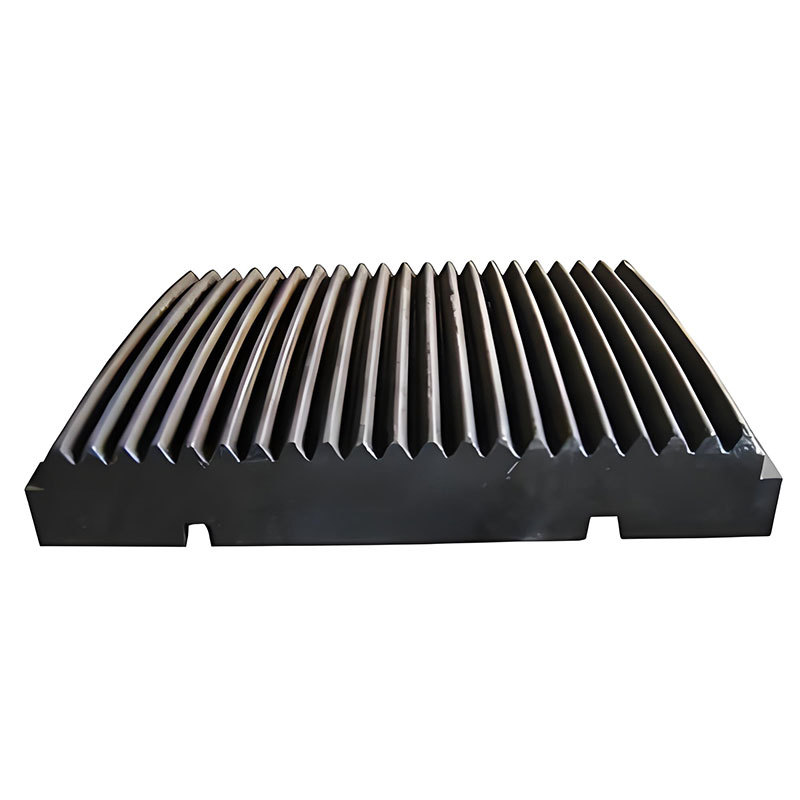
What Makes a Jaw Plate Perform Well in Crusher Service?
Strength and Rigidity Under Impact
To handle the constant force that is created when something is crushed, a reliable Jaw Plate needs to be very strong and rigid. In a crusher, the plates are hit over and over by pieces of rock, and if the structure is weak, the plates will crack before they should. Each Jaw Plate made by Huan-Tai is designed to constantly handle these forces. This helps workers avoid unplanned breaks and keep up steady production on tough job sites.
Material Composition and Wear Resistance
How long a Jaw Plate lasts in a breaker is directly related to the material it is made of. Plates made of high-quality steel, like high manganese steel or high carbon steel, can handle contact force well and keep their surface from wearing down. This mix makes it possible for the plate to work-harden under pressure, creating a tougher outer layer over time and making the useful service life much longer than with standard alloys.
Adaptability to Rock Hardness
Different types of rock are found in different crusher service environments, so a reliable jaw plate needs to be able to handle rocks with different levels of hardness. Manganese-rich plates can handle harder rock with less breaking and better rust protection, while cast steel plates are better for intermediate uses. By matching the makeup of the plates to the conditions on the job site, workers can cut down on how often they need to be replaced and keep long-term repair costs low across all of their breaking activities.
Cast Steel Jaw Plate vs Manganese Steel Jaw Plate: Key Differences
Hardness and Toughness Comparison
A cast steel Jaw Plate is pretty hard for light crusher work, but it’s not as tough as manganese steel when it comes to long-term impact. As manganese steel plates are used, they work-harden, making them more resistant to wear. Manganese is the best choice when the rock is harder, the feed size isn’t consistent, or the crushing loads change during the day’s production cycles because it hardens itself.
Cost and Production Considerations
If you need to buy a jaw plate for a breaker, your budget is very important. Cast steel plates usually have lower initial material costs, which makes them a good choice for repair shops with limited space or for lighter-duty uses. Manganese steel plates cost more at first, but they often save money in the long run because they don’t need to be replaced as often. This is especially important for businesses that crush a lot of material all the time.
Service Life in Demanding Applications
The most obvious difference between the two materials is how long they last. Manganese Jaw Plates can last much longer than cast steel ones in rough crusher service because they harden when they hit something. Cast steel is still a good choice for lighter or less frequent tasks, but heavy-duty mining and aggregate producers usually get more value over time from manganese steel, even though it costs more at first.
Choosing the Right Jaw Plate Material for Your Crusher Service
Matching Material to Rock Type and Application
To choose the right jaw plate, you must first know what kind of rock you are crushing and how it is being fed into the crusher. Manganese steel works best with harder, more rough rocks, while cast steel may work better with softer, less abrasive rocks. Huan-Tai works directly with clients to look at the breaking conditions and then suggests a material that will meet the unique needs of the operation, rather than just meeting general requirements.
Custom Manufacturing and Lead Time Considerations
Each Jaw Plate is made to the exact measurements and standards that are needed for a certain type of crusher. Because these are custom, non-standard parts, production times depend on how quickly the drawings are confirmed and how complicated the processing is. Lead times are usually talked about case by case. Having good communication during the design phase helps keep things on schedule and the service for the crusher running smoothly.
Working with an Experienced Supplier
Getting a Jaw Plate from a company with a lot of experience lowers the risk throughout the whole lifecycle of the crusher. The production and inspection teams at Huan-Tai use their many years of engineering experience to make sure that every plate meets standards for material and size accuracy. International buyers can be sure that each part will work well once it is put in the field because of this hands-on quality control.
Conclusion
Both cast steel and manganese steel can be used as jaw plates in a crusher. Manganese steel will last longer in harsh conditions, while cast steel is better for budgets that can handle lighter loads. The right material relies on how hard the rock is and how much you want to spend. Huan-Tai helps buyers find the right Jaw Plate specs for their needs.
FAQ
Q1: What’s the main difference between a manganese steel Jaw Plate and a cast steel Jaw Plate?
A: Manganese steel hardens when it is hit, making it more resistant to wear. Cast steel, on the other hand, is less expensive but has a moderate level of strength.
Q2: Which Jaw Plate Material Lasts Longer in a Crusher?
A: Because it hardens on its own, manganese steel usually lasts longer in service with rough, high-impact crushers.
Q3: Can a Jaw Plate be changed to fit different types of crushers?
A: Yes, Huan-Tai makes each Jaw Plate to fit the exact measurements of the crusher and the plans provided by the client.
Q4: Can hard rocks be crushed with cast steel?
A: Manganese steel is best for harder, more gritty materials and cast steel is best for lighter or middling rocks.
Q5: How does the hardness of the rock affect the choice of Jaw Plate?
A: Manganese steel is usually needed for harder rocks because it resists corrosion better and chips less.
Get the Right Jaw Plate for Your Operation
Want a Jaw Plate that is custom made to fit your crusher’s service needs? Huan-Tai has been in business for 30 years and has a professional production team, strict quality control, and a skilled technical team that work together to make special mechanical parts that meet international standards. Our team is ready to talk about your needs, whether you need cast steel or manganese steel. Please email us at inquiry@huan-tai.org so that we can help your crushing operations run smoothly.
References
- Gupta, A., & Yan, D.S. — Mineral Processing Design and Operations
- Wills, B.A., & Finch, J.A. — Wills’ Mineral Processing Technology
- Lindqvist, M., & Evertsson, C.M. — Liner Wear in Jaw Crushers
- Rajput, R.K. — A Textbook of Manufacturing Technology
- Chattopadhyay, R. — Surface Wear: Analysis, Treatment, and Prevention
