
Choosing the right rackbar material is a choice that has a direct effect on how well operations run and how much it costs to maintain equipment in harsh mining settings. Out of all the materials that can be used, alloy steel is the best because it has the mechanical strength, toughness, and longevity that mining operations need. This piece talks about why alloy steel is the best material for Rackbar parts and why investing in it now will pay off in the long run.
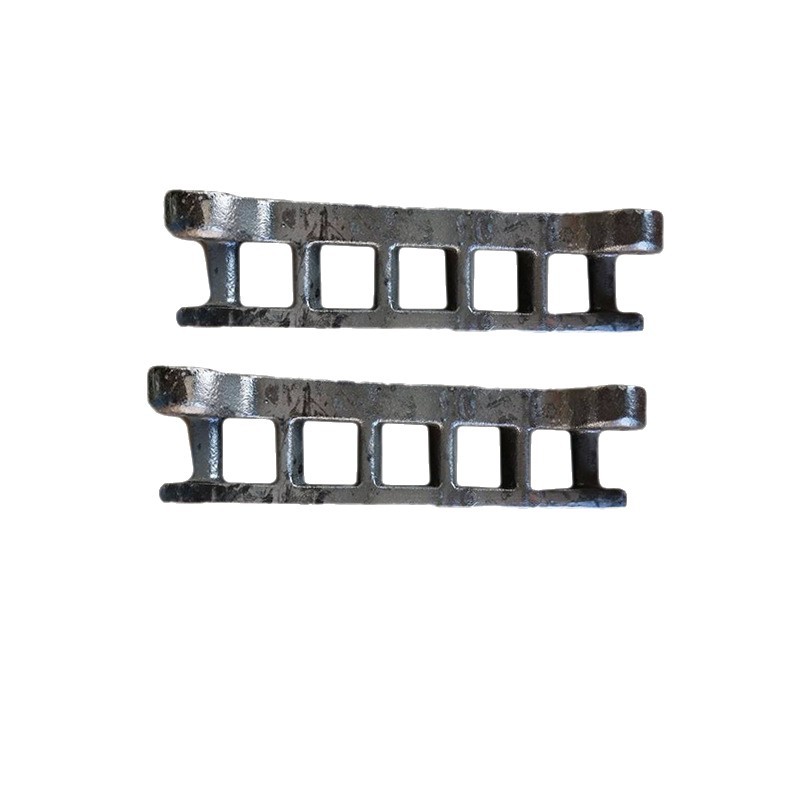
Why Alloy Steel Is the Preferred Rackbar Material in Mining Applications
Superior Strength Under High-Load Conditions
Extreme mechanical stress is put on mining equipment, and the Rackbar has to be able to handle repeated high-load cycles without breaking or deforming. Alloy steel has much higher tensile strength and hardness than regular carbon steel because it contains elements like chromium, molybdenum, and nickel that are added in a controlled way. This means that Rackbar parts made of alloy steel are reliable and stable even in the roughest basement conditions.
Exceptional Toughness and Impact Resistance
Sudden shock loads and vibrations happen a lot to mining equipment. To withstand these blows without breaking or cracking, a high-quality metal steel rackbar is designed. The part’s high toughness and yield strength work together to let it bend slightly when hit while still keeping its shape. This keeps the equipment running without any unexpected downtime due to part failure.
Resistance to Wear and Fatigue Over Time
Surface wear and stress cracking over long service cycles are two of the main ways that mine parts break. Alloy steel Rackbar parts don’t wear down easily, so you don’t have to change them as often. As long as the steel is properly heated and the surface is smooth, it will last a long time. Rackbar can be stretched much further than traditional steel options, which lowers the total cost of ownership.
How Alloy Steel Rackbar Performs in Hydraulic and Structural Mining Systems
Stability Under Continuous Hydraulic Pressure
With hydraulic-driven mining tools, the Rackbar is always being pushed by high-pressure hydraulic oil. Alloy steel has the precise measurements and structural strength that are needed to keep the seal tight in these situations. If the alloy steel Rackbar is well-made, it can withstand long-term hydraulic pressure without breaking or leaking. This keeps the whole hydraulic system stable and working well.
Precision Machining for Reliable Fit and Function
Just choosing the right materials isn’t enough; both accurate casting and machining are necessary. Tight physical limits obtained through sophisticated CNC cutting processes are a feature of a high-quality alloy steel rackbar. This makes sure that the part fits perfectly into the main piece of equipment. This lowers shaking and stress concentrations, which helps the machine run more smoothly and last longer in difficult deep mining conditions.
Ease of Maintenance and Replacement
Mining companies can’t afford to be closed for long periods of time for repair. It is easy to take apart and put back together an alloy steel Rackbar that has been built with useful structural considerations in mind. This greatly cuts down on upkeep time. It has a longer service life than some lower-quality options, so it needs to be replaced less often. When it does need to be replaced, the process is quick and easy, so operations can get back to full productivity with little downtime.
Key Factors to Consider When Sourcing Alloy Steel Rackbar Components
Material Grade and Heat Treatment Specifications
This kind of steel isn’t all the same. When looking for a Rackbar, buyers should make sure they know the exact metal grade, carbon content, and heat treatment method that was used. For most industrial uses, quenched and tempered alloy steel is the best choice because it has the best mix of strength and toughness. It is normal and fair to ask your source for material certificates and hardness test results. This keeps quality high and ensures responsibility.
Customization Capability and Lead Time
There is a lot of different mining tools on the market. Rackbar sizes don’t always work for every job. It is very important to work with a company that can make non-standard, special metal steel Rackbar parts based on your engineering plans. Lead times rely on how complicated the design is and how much drawing approval is needed. Simple designs can be given pretty quickly, but unique requirements that are more complicated may need more production steps to make sure they are accurate.
Supplier Reliability and Quality Management
For buyers from other countries, a reliable provider means more than just getting good products. When choosing a Rackbar maker, it’s important to look for one that is consistent, communicates clearly, and keeps shipping dates. A provider with a dedicated quality control team and decades of experience customizing engineering and mechanical parts gives you peace of mind that every batch meets the needs, which lowers the risk of costly downtime caused by parts that aren’t up to par.
Conclusion
For mining uses, alloy steel is still the most reliable material for Rackbar parts because it is strong, tough, hydraulically stable, and long-lasting. Three important parts of a good buying choice are choosing the right material grade, making sure it is manufactured precisely, and working with a seller that has a track record of doing good work. Buying high-quality Rackbar parts made of alloy steel pays off in less downtime and lower long-term repair costs.
FAQ
What kind of material is most often used to mine Rackbar parts?
People in the mining industry usually use alloy steel for Rackbar because it is stronger, doesn’t break easily, and lasts longer even in harsh circumstances.
In deep digging, how long does an Alloy Steel Rackbar usually last?
Service life depends on how it is used and how often it is maintained, but a well-made alloy steel rackbar usually lasts a lot longer than a normal steel rackbar, so it doesn’t need to be replaced as often.
Can Rackbar parts be made to fit different-than-standard sizes?
Yes, skilled makers can make Rackbar parts based on specific engineering plans. Your lead time will depend on how complicated the design is and how many rounds of drawing approval you need.
When looking for a Rackbar, what quality checks should I ask for?
Ask for certificates of materials, results of hardness tests, and records of measurement inspections. Suppliers you can trust will give these as normal paperwork for every batch of output.
Is Rackbar made of Alloy Steel Suitable for High Pressure Hydraulic Systems?
Yes. Alloy steel has the structural stiffness and physical accuracy needed to keep the seal intact while high-pressure hydraulic oil is flowing continuously. This stops leaks and keeps the system stable.
Partner with Xian Huan-Tai — Your Trusted Rackbar Manufacturer
Xian Huan-Tai Technology and Development Co., Ltd. has 30 years of experience designing non-standard mechanical parts for mining and industry uses. They can make alloy steel Rackbar components that meet all of your performance and quality needs. Our skilled production and testing teams make sure that quality is managed at every step of the way, so that each batch is consistent and reliable. Are you ready to talk about your plan? Let our tech team know what you need, and they’ll come up with an answer that fits your tools. Get in touch with us right away at inquiry@huan-tai.org.
References
1. Budynas, R. G., & Nisbett, J. K. (2020). Shigley’s Mechanical Engineering Design (11th ed.). McGraw-Hill Education.
2. Davis, J. R. (Ed.). (2005). Gear Materials, Properties, and Manufacture. ASM International.
3. Callister, W. D., & Rethwisch, D. G. (2018). Materials Science and Engineering: An Introduction (10th ed.). John Wiley & Sons.
4. Krauss, G. (2015). Steels: Processing, Structure, and Performance (2nd ed.). ASM International.
5. Totten, G. E. (Ed.). (2006). Steel Heat Treatment: Metallurgy and Technologies. CRC Press.
6. Roberts, G., Krauss, G., & Kennedy, R. (1998). Tool Steels (5th ed.). ASM International.
