
High manganese steel, high carbon steel, and alloy cast steel are the best materials for jaw stock in jaw crushers because they last a long time. These grades of jaw stock are very strong and rigid, can handle harder rocks without cracking, and don’t rust easily. Making sure you choose the right grade and practicing sound casting will directly increase service life and decrease downtime.
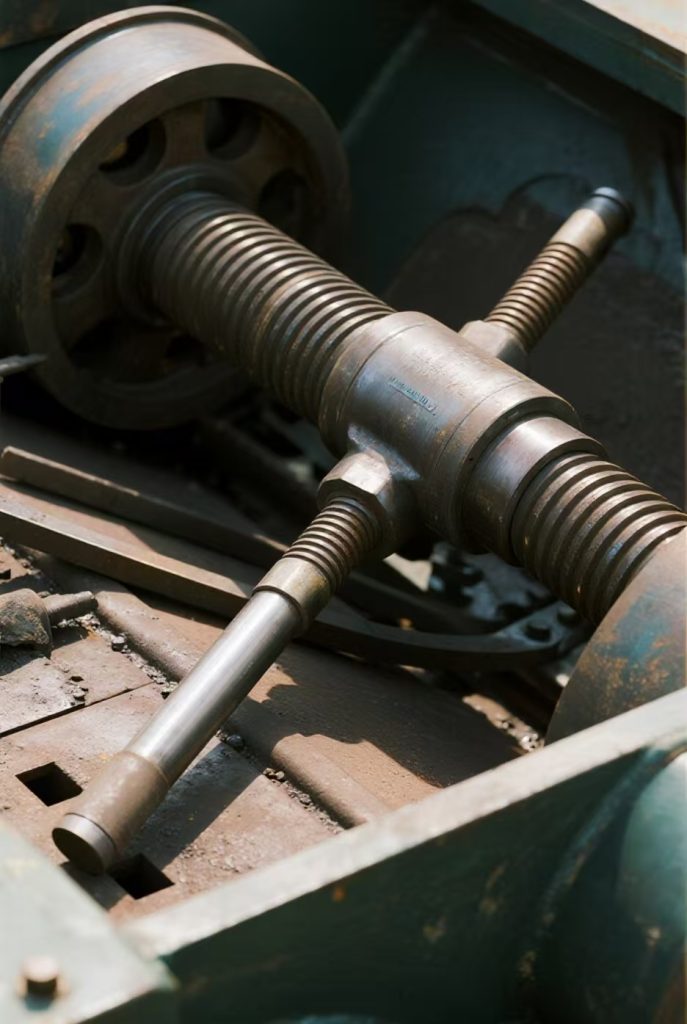
Which Materials Make a Jaw Stock Strong Enough for Hard Rock?
High Manganese Steel for Impact-Heavy Jaw Stock Duty
High manganese steel is used for heavy crushing because it gets stronger when it hits something. The surface gets tougher with each hit from feed material, but the core stays flexible. Because of this, a jaw stock made from this grade won’t crack or gouge. Miners who crush granite, basalt, or iron ore quickly see the benefits: the eccentric housing has fewer stress cracks, and the swing jaw stays the same shape over long campaigns.
High Carbon Steel: Strength and Rigidity Under Crushing Loads
High carbon steel is a good choice when stiffness is more important than surface strengthening. It makes the jaw stock stiff so that the crushing force can be transferred to the jaw plate without the jaw stock bending. This keeps the discharge setting stable and protects the bearings. When normalised and hardened correctly, high carbon steel also doesn’t get worn down easily after millions of load cycles. This makes it a good choice for mining and gravel crushers that work shifts every day.
Alloy Cast Steel for Corrosion Resistance in Harsh Quarries
Normal steel is damaged by wet pits, plants along the coast, and coal bodies that contain sulphides. Adding chromium, molybdenum, or nickel to alloy cast steel makes the jaw stock more resistant to rust and also makes it tougher. Companies that fix things often choose this upgrade because it saves them from having to replace a second broken swing jaw in a crusher that has already had one. During the quote stage, you can adjust the alloy balance to fit your work space.
How Casting Quality Turns Good Material into a Durable Jaw Stock
Pattern Design and Wall Thickness Around the Eccentric Bore
No matter how good the stuff is, that doesn’t mean it will last. The jaw stock puts most of its stress on the eccentric hole and toggle seat. Because of this, the casting design needs to make sure that the walls are thick and even there, and there are no rough edges between the walls. If an internal corner is too sharp, it can lead to hot tears when the concrete forms and stress cracks over time. Before filling, foundries with a lot of experience set up steps and chills and run solidification models to make sure that the heavier parts feed correctly and don’t get any voids from shrinking.
Heat Treatment That Locks in Toughness
If you want a fully austenitic structure, you have to toughen a high manganese steel jaw stock with water, heat it above 1000°C, and then cool it down quickly. The part will break if you skip this step or work too quickly through it. Every type of steel needs its own normalising and tempering cycles to get it to the right hardness without losing its impact strength. Documents from the boiler should be kept and shared because they show that the stuff will behave as planned.
Machining and Fit with the Main Shaft and Toggle Plate
We heat treat the jaw stock and then drill holes in it for the cast main shaft. We also make the toggle seat, which is where the high manganese steel toggle plate sits. How even the force flows through the crusher is affected by the surface finish, seat angle, and bore concentricity. Here, the loose tolerances cause the bearing to get too hot and the jaw plate to wear unevenly. Final work is done on big boring mills, and coordinate measuring is used to make sure everything is straight from the first day.
What Buyers Should Check Before Ordering a Replacement Jaw Stock
Matching Drawings and Crusher Models
There are a lot of older crushers out there, and OEM drawings aren’t always easy to find. Your sample, a 3D scan, or a hand sketch with key dimensions can all be used by a good supplier. They will then send you a drawing for approval before casting. Taking the time to check the jaw stock drawing, including the bore size, mounting holes for the jaw plate, and rack bar interface, saves money on repairs and makes sure the new part fits perfectly.
Inspection Reports That Build Confidence
Find out what kind of proof the part comes with. A reliable jaw stock package should have a proof of chemical analysis, mechanical test results, hardness readings, and important parts that have been checked with ultrasound or magnetic particles. Size reports that match the accepted picture close the loop. Bigger machine shops need this paperwork all the time, but smaller repair shops can also use it because it’s the fastest way to be sure you got the grade you paid for.
Lead Time and Cost: Setting Realistic Expectations
Castings that are made to order take longer than parts that come from a store. It takes time to make the patterns, make sure the drawings are correct, pour, heat treat, and machine the metal. It could take even longer if the drawing needs to be changed more than once. Early on, talk about the schedule and ask for updates on important points. It may cost more for a jaw stock made of the right material than a simple cast steel one, but the longer life and fewer stops at odd times more than make up for the extra cost.
Conclusion
A jaw stock that lasts a long time is made from the right material. For places where corrosion is likely to happen, it could be alloy cast steel, high manganese steel, or high carbon steel. Also, high manganese steel is good for impact. Then, the material is carefully poured, heated, and cut to finish the jaw stock. When buyers look at the models, ask for inspection records, and allow enough time for the wait time, they get a swing jaw that will work well in tough mining and rock service settings.
FAQ
Q: What is a jaw stock in a jaw crusher?
A: It is the movable swing jaw body that carries the jaw plate and transfers crushing force from the eccentric main shaft to the rock.
Q: Which material lasts longest for a jaw stock?
A: High manganese steel generally lasts longest under heavy impact thanks to work hardening; high carbon steel suits applications needing maximum rigidity.
Q: Can you make a jaw stock without OEM drawings?
A: Yes. We can reverse-engineer from a worn sample or sketch and issue a drawing for your approval before casting.
Q: Is the jaw stock cast or forged?
A: The jaw stock is cast. The main shaft it rides on is forged for strength.
Q: How long does a custom jaw stock take?
A: It depends on drawing confirmation and process steps; we provide a schedule after reviewing your requirements.
Ready to Upgrade Your Jaw Crusher Parts?
Over the past 30 years, Xian Huan-Tai Technology and Development Co., Ltd. has been making custom, non-standard mechanical parts for mining and engineering equipment. From making the pattern to the final inspection, our professional production team makes sure quality at every step. Our technical team then turns your performance needs into castings that fit well and last. When you add great service and reasonable hours, you have a partner instead of just a foundry. Email your drawing, sample photo, or model of the crusher to inquiry@huan-tai.org, and we’ll get back to you with a custom quote for your jaw stock and other wear parts.
References
- Wills, B. A., & Finch, J. A. (2016). Wills’ Mineral Processing Technology (8th ed.). Butterworth-Heinemann.
- Davis, J. R. (Ed.). (1996). ASM Specialty Handbook: Carbon and Alloy Steels. ASM International.
- Gupta, A., & Yan, D. S. (2016). Mineral Processing Design and Operations: An Introduction (2nd ed.). Elsevier.
- Beeley, P. (2001). Foundry Technology (2nd ed.). Butterworth-Heinemann.
- Bhadeshia, H. K. D. H., & Honeycombe, R. W. K. (2017). Steels: Microstructure and Properties (4th ed.). Butterworth-Heinemann.
