
In jaw crushers, an overload safety feature called a toggle plate keeps the frame, bearings, and drive parts from getting badly damaged. If something that can’t be crushed gets inside, the toggle plate breaks under the intended stress. This absorbs the reaction force and keeps expensive fails from happening. This mechanism keeps the structure strong, makes equipment last longer, and cuts down on unplanned downtime. When maintenance managers know how the toggle plate covers jaw crusher parts, they can plan replacements and keep mining operations safe.
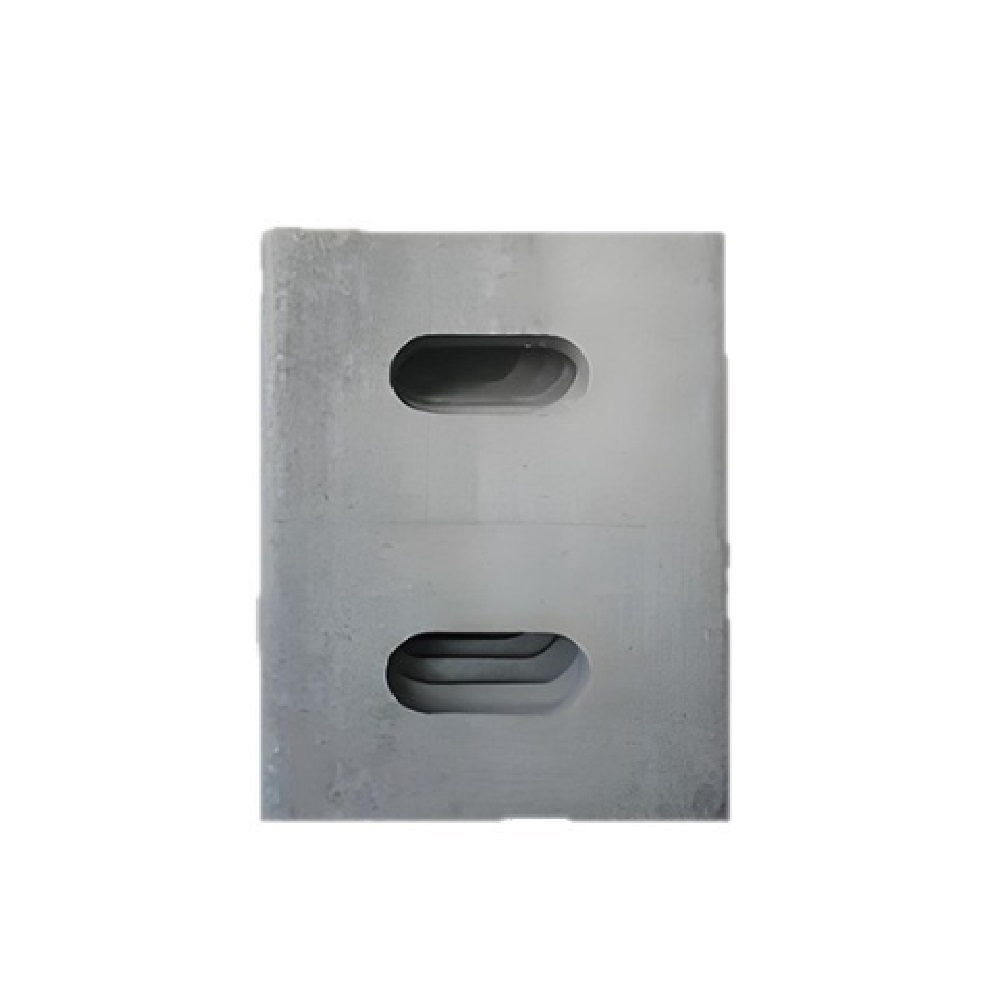
The Overload Protection Mechanism of the Toggle Plate
How High-Strength Toggle Plate Design Absorbs Reactive Force
The toggle plate in jaw crushers is designed to be very strong and rigid so that it can handle the force of breaking up the material. The toggle plate gives way at a certain load limit, so damaging energy doesn’t get to the frame or eccentric shaft. This controlled failure protects the cast and forged assemblies around it, making sure that only the replaceable toggle plate needs to be fixed after an overload.
Shielding Forged Main Shafts and Alloy Tie Bars From Catastrophic Failure
Important parts, like the cast main shaft and alloy steel tie bars (called rackbars) in tension systems, are protected by the toggle plate. For better fatigue resistance, the main shaft is forging rather than casting, so it is important to protect it from shock loads. When the toggle plate breaks under a lot of stress, it separates the shaft and tie bars, stopping deformation that would need a lot of work to fix.
Coordinating Toggle Plate Function With Crusher Spring Assemblies
The protection also depends on how the toggle plate works with the spring system of the crusher, which can be made of carbon steel, high-strength steel wire, or spring steel. These springs keep the toggle plate and movable jaw taut so that the crushing pressure stays the same. If something that can’t be broken gets inside, the toggle plate breaks first. The spring assembly then absorbs any remaining vibration, which keeps the bearings and supports from getting damaged further.
Material Science Behind Toggle Plate Protection Performance
High Manganese Steel Casting for Impact-Resistant Toggle Plates
Our toggle plate is made from high manganese steel instead of carbon steel so it can last as long as possible. It can handle heavy impacts and have a much longer useful life. The high manganese structure makes it tough enough to withstand repeated stress cycles without breaking. It is reliable for manufacturers to use this toggle plate in rough mining areas that need consistent protection and known failure modes.
Corrosion Resistance and Hard Rock Application for Toggle Plates
The toggle plate is strong in and of itself, but it can also be used on harder rocks and doesn’t rust, so it can be used in harsh quarry and mining conditions. Extreme abrasion and chemical exposure happen during hard rock processing, which quickly breaks down inferior parts. If you engineer a toggle plate correctly, it won’t get pits or wear down on the surface. This means that it will keep its structural integrity for longer periods of time and will need to be replaced less often in continuous-duty crushing lines.
Differentiating Impact Crusher Plate Hammers From Hammer Crusher Heads
The toggle plate is only used in jaw crushers, but knowing about related technologies helps buyers choose the right parts. Plate hammers made of high manganese steel, alloy steel, or high chromium cast iron are used in impact crushers. Hammer crushers, on the other hand, use different hammer heads to achieve different crushing effects. You should never use these parts in place of each other, because the toggle plate has a specific defensive role in its own crushing system that is designed to work with certain types of ore.
Maintenance Strategies and Replacement Timing for Toggle Plate Systems
Inspection Protocols for Toggle Plate and Dust Ring Wear
The toggle plate and wear parts like the dust ring, which are made of high manganese steel or high chromium alloy steel, should be inspected regularly. As a sign of overload or fatigue, technicians should look for fracture patterns, abrasion, and changes in alignment. Early discovery lets teams change toggle plates during planned breaks, so they don’t have to deal with problems that happen out of the blue and throw off production plans.
Custom Manufacturing Lead Times for Toggle Plate Orders
Because each toggle plate is made to order based on your drawings and the way your crusher is set up, delivery dates need to be carefully coordinated. Confirming the drawing, planning the process, and checking the quality can all add time to the production cycle, especially for parts of mining equipment that are very complicated. We give buying managers realistic deadlines up front so they can schedule the purchase of toggle plates around maintenance windows and avoid unplanned repair delays.
Quality Control Standards From Engineering to Final Inspection
Our production team is in charge of quality throughout the whole process of making toggle plates, from choosing the materials to doing the final check. Our technical team checks each part to make sure it meets the quality and performance standards for mining equipment. This unified method guarantees consistency, so buyers can be sure that every toggle plate will protect their jaw crushers as expected and fit perfectly in their assemblies.
Conclusion
When buyers understand how the toggle plate effectively protects jaw crusher parts, they can set priorities for preventative maintenance, choose the right high manganese steel specifications, and avoid costly downtime. Manufacturers and repair shops can make sure that their equipment lasts longer and that production results are more predictable by combining strong engineering with strict quality management. Investing in well-designed toggle plate solutions is still a smart move for any business that wants to stay stable in tough breaking settings.
FAQ
Q: What material should a toggle plate be made from?
A: Our toggle plates are cast from high manganese steel, not carbon steel, delivering high strength, impact resistance, and longer service life in abrasive crushing conditions.
Q: How does a toggle plate protect other jaw crusher components?
A: The toggle plate acts as an overload safeguard by breaking under extreme reactive force, shielding the forged main shaft, bearings, and frame from catastrophic damage.
Q: Can toggle plates be used for impact crushers or hammer crushers?
A: No. Toggle plates belong exclusively to jaw crushers. Impact crushers employ plate hammers—made from high manganese steel, alloy steel, or high chromium cast iron—while hammer crushers use distinct hammer heads. These are not interchangeable.
Q: What is the delivery time for custom toggle plates?
A: Delivery depends on drawing confirmation, process planning, and inspection. Custom parts often need longer cycles, so we advise sharing timelines early to match your repair schedule.
Q: Do you provide quality control and technical support for customized orders?
A: Yes. Our technical team addresses your performance needs, and our production team controls quality from start to finish, backed by three decades of customization experience.
Ready to secure reliable toggle plate solutions for your jaw crusher fleet?
Xian Huan-Tai Technology and Development Co., Ltd. has been a professional manufacturer of customized non-standard mechanical parts since the mid-90s, delivering engineering excellence, rigorous quality control, and predictable schedule management to global partners. With 30 years of industry experience, excellent service, a professional production team overseeing every stage, and a technical team dedicated to your performance and quality requirements, we support machinery manufacturers and repair companies worldwide. Reach out at inquiry@huan-tai.org to discuss your custom toggle plate needs and request a quotation.
References
- Gupta, A. S., & Yan, D. S. (2016). Design of jaw crushers: Mechanical principles and toggle plate dynamics. International Journal of Engineering Research and Applications, 6(4), 23-30.
- Evertsson, C. M. (2000). Contribution to the theory of crushing with applications to cone and jaw crushers. Chalmers University of Technology.
- Svensson, A., & Murkes, J. (1996). Development of crushing equipment for improved energy efficiency. Minerals Engineering, 9(11), 1175-1186.
- Clement, T. P., & Powell, M. (2008). Predictive maintenance strategies for toggle plate failures in primary crushing circuits. Mining Technology, 117(3), 145-152.
- Radziszewski, P. (2013). Modeling of crushing dynamics in jaw crushers with emphasis on overload protection mechanisms. Archives of Mining Sciences, 58(2), 389-402.
