
The toggle plate and the fixed jaw plate are two of the most important safety and wear parts in a jaw crusher, but they are used for very different things. The moving jaw is directly crushed by the fixed jaw plate. The toggle plate transfers motion and has a safety feature built in. This article tells you how each part works, what makes them different, and where to find good replacements.
What Does Each Part Actually Do in a Jaw Crusher?
The Fixed Jaw Plate: The Crushing Surface
Two bolts hold the fixed jaw plate to the frame of the crusher. It makes up one side of the crushing chamber. Every rock that goes into the machine presses against it, so it’s always being hit and worn down. The toggle plate is behind the moving jaw, but the fixed jaw plate is in direct touch with the material. This means that its ability to prevent wear is its most important quality for mining and quarrying.
The Toggle Plate: Motion Transfer and Overload Protection
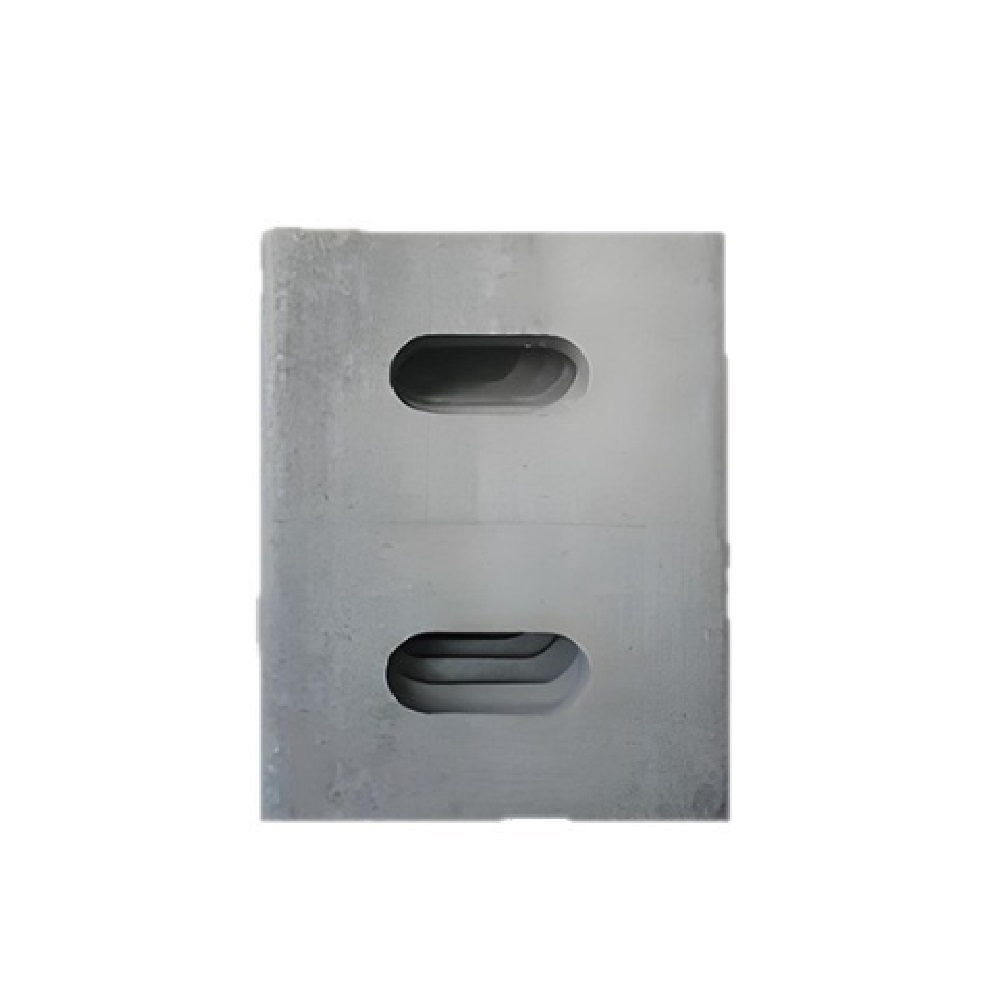
Between the bottom of the moving jaw and the back frame of the crusher is the toggle plate. The toggle plate guides the swing jaw through its crushing cycle as the eccentric shaft turns. It also helps return the jaw after each stroke. In the same way, a properly specified toggle plate acts as a mechanical fuse: if uncrushable tramp iron enters the chamber, it breaks first, keeping the frame, shaft, and bearings from devastating damage.
How the Two Components Work Together
At work, the moving jaw presses stuff against the fixed jaw plate, and the toggle plate at the bottom of the chamber controls the stroke and discharge setting. When you change the toggle plate seat, the closed-side setting changes. This setting determines the final product size. The toggle plate makes sure that the crushing happens at the right angle and with the right amount of force. The fixed jaw plate does the actual crushing.
Key Differences Between the Fixed Jaw Plate and Toggle Plate
Difference in Function and Working Position
Position and goal are where the difference is most obvious. The fixed jaw plate is a wear part that is mounted vertically inside the crushing cavity and faces the material that is being crushed directly. The toggle plate is toward the back of the machine, out of the way of the material flow. It transfers force and supports the swing jaw. One is made to protect the crusher from rock wear, and the other is made to handle mechanical load and keep it safe.
Difference in Material Selection and Manufacturing
Picking the right materials is important for both parts, but for different reasons. Most fixed jaw plates are made of high manganese steel, which gets harder when it is hit. A good toggle plate is also made from high manganese steel or high carbon steel instead of regular carbon steel. This gives it the strength and rigidity it needs to withstand the reactive force of fragmentation while still breaking in a predictable way when it’s overloaded. In both cases, controlling the casting process has a direct effect on the service life.
Difference in Wear Behavior and Replacement Cycles
The teeth on a fixed jaw plate wear down over time, and once the tooth shape is worn down, the plate is generally changed or turned. A toggle plate, on the other hand, might work well for a long time but suddenly stop working when it comes to keeping tramp metal off the machine. For this reason, skilled maintenance teams always have extra toggle plates on hand, since a sudden break can stop the whole crushing line until a new one arrives.
How to Select and Source Reliable Toggle Plates and Jaw Plates
Match the Material Grade to Your Application
For rocks that are harder, like granite, basalt, or iron ore, pick a toggle plate and jaw plate set that is made of premium high manganese steel. This steel is very strong, doesn’t rust, and can handle tough mining conditions well. Different grades may be possible for applications that need softer limestone. By telling the supplier about the feed material, crusher model, and operating conditions, you can be sure that the metallurgy will really do the job.
Insist on Full-Process Quality Control
Dimensional accuracy and consistent casting quality are musts for the toggle plate because it has to carry heavy loads every day and fail safely when needed. Look for suppliers whose inspection teams check the size, shape, and chemical make-up of their products at every stage of production. Parts that are reliable are different from cheap copies because they have documented quality control throughout melting, pouring, and machining. Cheap copies can fail early because they have hidden porosity or inconsistent heat treatment.
Work With an Experienced Custom Parts Manufacturer
Many crushers in the field are older models or regional brands, which means off-the-shelf parts rarely fit. A manufacturer experienced in customized non-standard mechanical parts can produce a toggle plate or fixed jaw plate from your drawing, a sample, or even a worn original. Remember that custom castings need to confirm the drawing, make a pattern, and heat treat the metal. Because of this, lead times for customized parts are longer than for stock items, so it’s best to plan ahead.
Conclusion
The fixed jaw plate directly crushes the material, and the toggle plate transfers motion, sets the discharge opening, and gives up its own life to protect the crusher when it gets too heavy. Choosing high manganese steel castings with strict quality control for both components ensures longer service life, safer operation, and lower total maintenance costs for mining and engineering machinery users.
FAQs
Q1: If you want to make a toggle plate, what should you use?
High manganese steel or high carbon steel gives you the strength and resistance to impact you need, and it also breaks down slowly when it’s overloaded.
Q2: Why did my toggle plate break all of a sudden?
Most likely, tramp iron that can’t be crushed got into the cylinder. The toggle plate was meant to break on purpose to keep the frame, shaft, and bearings safe.
Q3: Can toggle plates be changed to fit older models of crushers?
Yes. Foundries with a lot of experience can make them from drawings, samples, or old, worn-out originals.
Q4: How often should I get a new fixed jaw plate?
It depends on the feed hardness and the amount of weight being moved. Check the tooth profile often and replace or rotate it when it wears down a lot.
Q5: Can these parts be used in hard rock situations?
Yes. High manganese steel casts handle harder rocks well and give good rust protection.
Get a Quote for Your Custom Crusher Parts Today
Xian Huan-Tai Technology and Development Co., Ltd. has spent 30 years manufacturing customized non-standard mechanical parts for mining and engineering machinery customers worldwide. Our professional production team manages quality throughout the entire process, and our technical team can match your exact performance requirements—whether you need one toggle plate or a full set of wear parts. Experience excellent service backed by real engineering depth. Send your drawings or inquiries to inquiry@huan-tai.org and receive a tailored quotation promptly.
References
- Wills, B. A., & Finch, J. A. – Wills’ Mineral Processing Technology: An Introduction to the Practical Aspects of Ore Treatment and Mineral Recovery
- Gupta, A., & Yan, D. S. – Mineral Processing Design and Operations: An Introduction
- Utley, R. W. – “Selection and Sizing of Primary Crushers,” in Mineral Processing Plant Design, Practice, and Control
- Legendre, D., & Zevenhoven, R. – “Assessing the Energy Efficiency of a Jaw Crusher,” Energy Journal
- Olubambi, P. A., & Potgieter, J. H. – “Effectiveness of Work Hardening in Austenitic Manganese Steel for Crusher Applications,” Materials Characterization
