
The toggle plate is one of the most important parts to choose for heavy-duty breaking tools because it ensures sturdiness, efficiency, and long-term performance. Because they are so strong, don’t break easily, and last a long time, high carbon steel toggle plates are the best choice for the mining, construction, and aggregate processing industries. High carbon steel can hold more weight than most materials, which makes it perfect for dealing with the strong reactive forces that are created when rocks break apart.
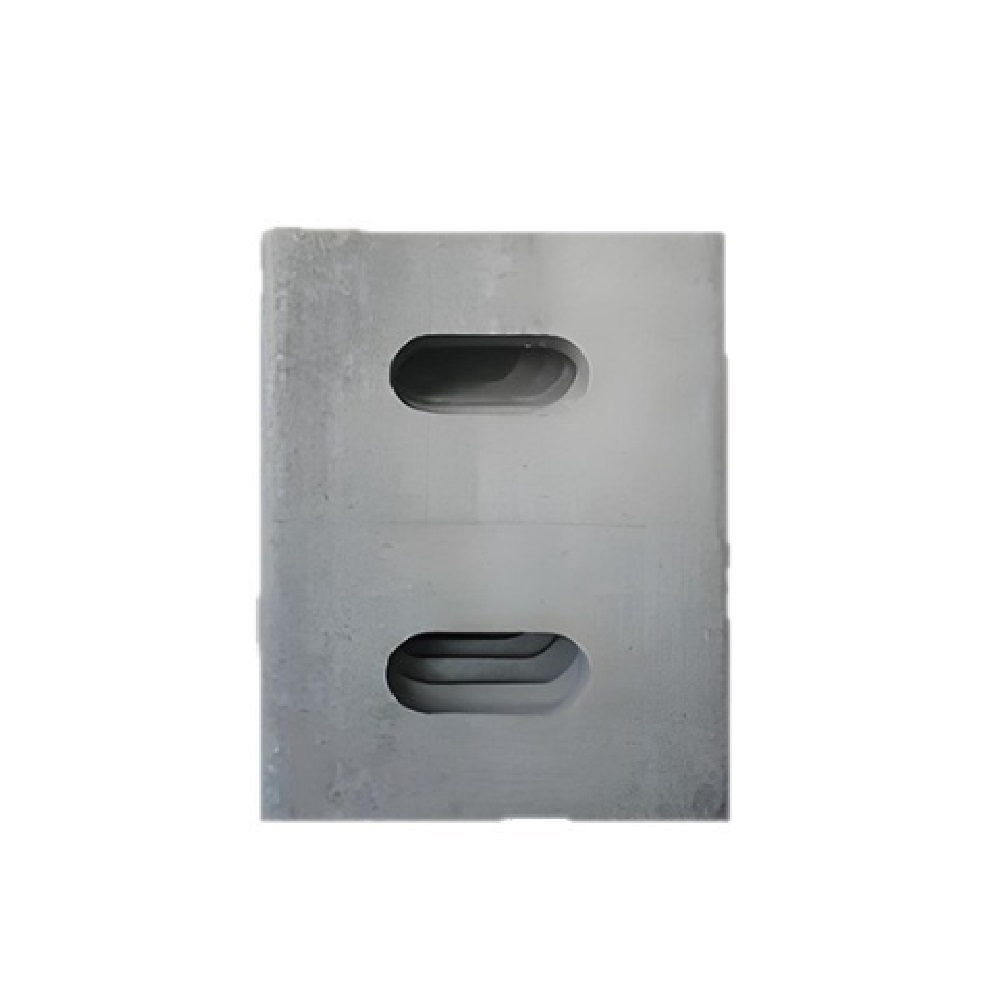
This article talks about why high carbon steel toggle plates are the best choice for crushers. It talks about the material’s benefits, how it performs, and how it can be used in real life. If you’re a machinery manufacturer, a repair specialist, or a procurement manager, these key points will help you choose the right crushing equipment for your needs.
Unmatched Strength and Durability for Heavy-Duty Crushing
Toggle plates made of high carbon steel are designed to last in the harshest breaking conditions, where other materials tend to break down too soon. Their excellent mechanical qualities make sure that they work reliably even when under a lot of stress.
Exceptional Load-Bearing Capacity
During the breaking process, the toggle plate in a crusher takes on huge amounts of reaction force. Because it is hard and has a high tensile strength, high carbon steel can handle these forces without breaking or deforming. Its structure stays strong even when hard rocks like granite or basalt are processed, which lowers the risk of sudden failures that can happen with lower-grade materials.
Resistance to Impact and Wear
When parts are crushed, they are constantly hit and worn down. When high carbon steel is mixed with alloying elements, it makes the steel harder and tougher. This makes the toggle plate very resistant to wear. Over time, this means fewer replacements and lower maintenance costs, which is a huge benefit for crushing operations that need to do a lot of work.
Extended Service Life in Harsh Conditions
Because they are made of high carbon steel and advanced casting methods, toggle plates last a lot longer than plates made from other materials. Their ability to resist corrosion and fatigue makes them last even longer, which makes them a good investment for mining and construction.
Precision Engineering for Optimal Crusher Performance
In addition to being strong, high carbon steel toggle plates are carefully made to make the whole crusher work more efficiently. Their engineering guarantees smooth operation, less downtime, and consistent quality of output.
Customized Designs for Specific Applications
There are different needs for each crushing process, and toggle plates need to be made to fit the equipment’s needs. High carbon steel makes it possible to make exact changes to jaw crushers, cone crushers, and impact crushers. Manufacturers can change the size, amount of stiffness, and treatment of the surface to get the best performance for various materials and output needs.
Seamless Integration with Crusher Components
The pitman, swing jaw, and bearings are some of the parts of a crusher that must work well with the toggle plate. The ability to machine high carbon steel ensures tight tolerances and smooth assembly, reducing misalignment problems that can cause parts to wear out too quickly or make operations less efficient.
Reduced Vibration and Noise Levels
Too much noise and shaking in breaking equipment not only makes it less effective, but it also costs more to maintain. The damping qualities of high carbon steel help absorb shocks, which makes operation quieter and more stable. This is especially helpful in large-scale mining activities where machines are always running.
Cost-Effective and Reliable for Long-Term Operations
High carbon steel toggle plates may cost more at first than other options, but they will pay for themselves many times over in the long run. Businesses that value efficiency and dependability should choose these products because they last a long time and work well.
Lower Total Cost of Ownership
Because high carbon steel toggle plates last longer, they need to be replaced less often, which means less downtime. Eventually, this saves a lot of money, especially in jobs that wear the parts down quickly, like handling rock ore. Businesses can make better use of their resources by focusing on production instead of replacing parts all the time.
Minimal Maintenance Requirements
Because high carbon steel doesn’t wear down or rust, it doesn’t need to be inspected and fixed as often. This is especially helpful on mining sites that are far away or on big construction projects where maintenance workers might not be able to get to them easily. A well-kept toggle plate keeps the machine running smoothly, which increases output.
Consistent Performance in Variable Conditions
Material hardness, moisture levels, and operational stresses often change during crushing operations. High carbon steel toggle plates keep their performance the same across these ranges, so output is stable no matter what outside things are happening. This level of predictability is very important for meeting production goals and keeping quality standards.
Conclusion
For breakers, high carbon steel toggle plates are the best choice because they are strong, last a long time, and are cheap. They are very important in mining, building, and material handling because they can handle high loads, don’t wear out easily, and work well with other breaking equipment. Businesses can improve operational reliability, cut down on maintenance costs, and achieve long-term success in tough industrial settings by investing in high-quality toggle plates.
FAQ
1. What makes high carbon steel better than other materials for toggle plates?
High carbon steel offers superior strength, impact resistance, and wear durability compared to standard materials, making it ideal for heavy-duty crushing applications.
2. Can high carbon steel toggle plates be customized for different crushers?
Yes, manufacturers can tailor dimensions, hardness, and surface treatments to match specific crusher models and operational requirements.
3. How long does a high carbon steel toggle plate typically last?
While lifespan varies based on usage, high carbon steel toggle plates generally last significantly longer than those made from conventional materials, reducing replacement frequency.
4. Are high carbon steel toggle plates suitable for processing hard rocks?
Absolutely. Their high strength and rigidity make them well-suited for crushing hard materials like granite, basalt, and ores.
5. What industries benefit most from high carbon steel toggle plates?
Mining, construction, aggregate processing, and recycling industries rely on these components for their durability and performance in demanding environments.
Upgrade Your Crusher Performance with Huan-Tai’s Expertise
We at Xian Huan-Tai Technology and Development Co., Ltd. make unique toggle plates and other non-standard mechanical parts for commercial use that are of high quality. Our professional team has worked in this field for 30 years and makes sure that every part meets the highest quality and dependability standards. We offer great service, accurate engineering, and on-time delivery that is tailored to your needs, whether you need a single replacement part or a large production order. Get in touch with us right away at inquiry@huan-tai.org to talk about your needs and find out how our solutions can help your crushing activities.
References
- Smith, J. R., & Zhang, L. (2018). Material Selection for Heavy-Duty Crushing Equipment. Journal of Mining and Metallurgy.
- Wang, H., & Chen, Y. (2020). Advances in High Carbon Steel Applications for Industrial Machinery. International Journal of Mechanical Engineering.
- Lee, K., & Park, S. (2019). Wear Resistance of High Carbon Steel in Mining Equipment. Materials Science and Engineering.
- Brown, T. (2021). Optimizing Crusher Performance with High-Strength Components. Construction and Mining Technology Review.
- Patel, A., & Kumar, R. (2022). The Role of Alloying Elements in Enhancing Steel Durability. Industrial Metallurgy Journal.
