
The main part of a jaw crusher that absorbs breaking force is the high manganese jaw plate, which is made to be strong, resistant to pressure, and long-lasting. The purpose of the plate, how long it lasts, and how to choose the right plate for your needs are all explained in this guide.
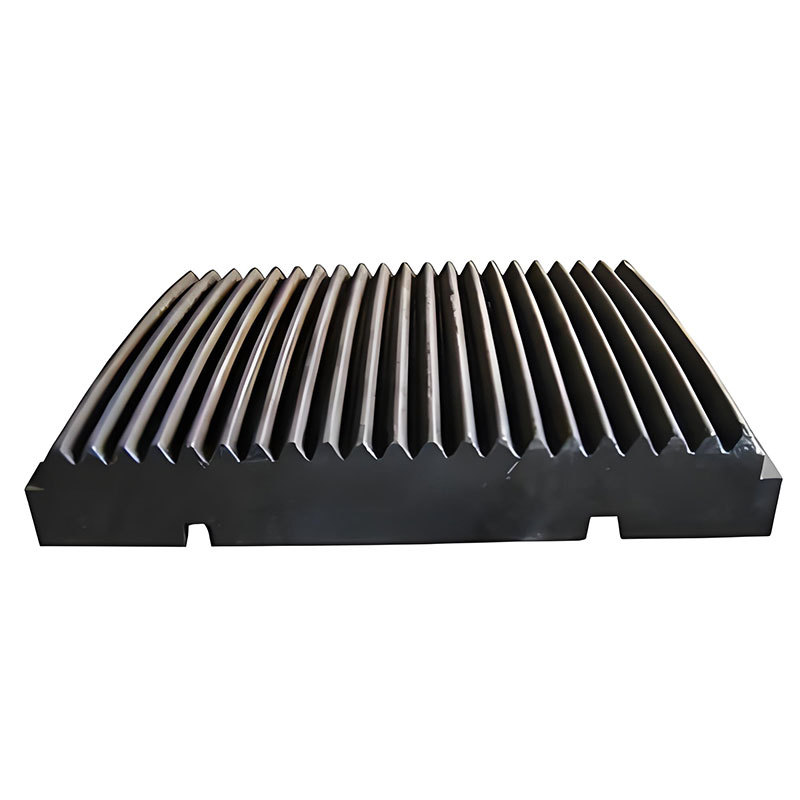
The Role of a Jaw Plate in Jaw Crusher Components
Absorbing Reactive Force During Fragmentation
When rock breaks apart inside the crushing chamber, the reaction force that is created is absorbed by a Jaw Plate. This constant impact loading needs a plate that is very strong and rigid so that it can handle repeated force without breaking or deforming. When a jaw crusher is working normally, this level of direct, long-term mechanical stress is put on very few parts.
Positioning Within the Crushing Chamber
In the crushing chamber, one Jaw Plate is mounted directly across from the other. It is the surface that the material is broken down against. Positioning and fixing must be done correctly, as imbalance can lead to uneven wear or less effective breaking. If this important wear part is installed correctly, it will work with other parts of the jaw crusher while it is continuously running.
Interaction With Other jaw crusher components
A Jaw Plate is only one part of the larger crushing assembly. Other parts include toggle plates, frame structures, and adjustment mechanisms. The surrounding jaw crusher parts start to work less well as the plate wears down. This is because the whole system has to work well together for the crushing to be effective. Realizing how these two things are connected helps operators understand how the condition of the plates affects the overall performance of the machine.
What Gives a High Manganese Jaw Plate Its Durability
High Manganese Steel Casting for Impact Resistance
A strong Jaw Plate is usually made from high-quality steel, like high manganese steel or high carbon steel, which is chosen because it can handle being hit over and over again. Using this method of casting makes a part that can last a lot longer than lower-quality alternatives. When it comes to jaw crusher parts, the choice of material at this stage has the most impact on how well they wear over time.
Structural Strength and Rigidity Under Load
In addition to being able to withstand impacts, a well-designed Jaw Plate needs to be structurally strong and stiff enough to handle the reaction force that is created when the plate breaks without bending or breaking. This stiffness keeps the plate steady during continuous use, which stops it from deforming too soon, which shortens its useful life. This structural integrity is important for reliable jaw crusher parts to keep working at the same level of crushing over long production runs.
Corrosion Resistance for Extended Service Life
In working conditions, a Jaw Plate is often exposed to water, dust, and minerals that can speed up the wear and tear on the surface over time. The plate can keep its solid features even in these tough situations because it doesn’t rust. This quality of durability is especially important for jaw crusher parts that are used all the time in mining and quarrying, where equipment is often exposed to the elements.
Selecting the Right Jaw Plate for Your Crushing Application
Matching Material to Harder Rock Types
When crushing harder rock, the Jaw Plate has to work harder, so it needs to be made of material that is specifically designed to handle this extra stress. The high manganese steel design works well in these tough situations because it can handle impacts and keep working well. Buyers who are working with harder materials should directly check this material standard, as it has a big impact on how long jaw crusher parts last when they are used a lot.
Confirming Dimensions Against Your Crusher Model
Because different companies make different types of crushers, a Jaw Plate has to be made to fit the exact machine it will be used on. Checking exact measurements against original parts or engineering drawings stops problems with installation and wear that isn’t even. People who want to buy replacement jaw crusher parts should give full details up front so that there aren’t any costly mistakes during the replacement process.
Planning Custom Production Around Your Schedule
In particular for non-standard sizes or specifications, custom Jaw Plate orders frequently involve drawing confirmation and casting processes that add time to the production process. When buyers need to replace old jaw crusher parts, they should plan their purchases well ahead of when the parts are expected to wear out. This is because hasty choices made under time pressure rarely lead to the best long-term results for demanding crushing operations.
Conclusion
The strength, impact resistance, and durability that are necessary for jaw crusher parts are provided by a high manganese jaw plate. Choosing the right material and making sure the dimensions are exactly right will ensure reliable, long-lasting crushing performance.
FAQ
What material is used for a Jaw Plate?
High manganese steel or high carbon steel casting is commonly used for durability.
Can Jaw Plates handle harder rock?
Yes, high manganese construction is well suited to harder, more abrasive material.
Does the plate resist corrosion?
Yes, it offers good corrosion resistance for extended service life.
How is the plate positioned in the crusher?
It mounts within the crushing chamber, working alongside other jaw crusher components.
How long does custom production take?
Timelines vary depending on drawing confirmation and casting complexity.
Get a Custom Jaw Plate Quote
At Xian Huan-Tai Technology and Development Co., Ltd., 30 years of experience in customized non-standard mechanical parts stand behind every Jaw Plate we produce. Our professional production and technical teams manage quality from casting through final inspection, delivering the strength and precision demanding crushing applications require. Need a Jaw Plate matched to your crusher model and rock conditions? Send your specifications to inquiry@huan-tai.org and let our team engineer a reliable fit.
References
- Ivanov, S. “Wear Mechanisms in High Manganese Steel Crusher Components.” Journal of Materials Engineering and Performance.
- Torres, M. “Structural Analysis of Jaw Crusher Wear Plates Under Cyclical Loading.” International Journal of Mineral Processing.
- Andersen, P. “Casting Quality and Impact Toughness in Manganese Steel Alloys.” Materials Science and Engineering Review.
- Fujimoto, R. “Corrosion Behavior of Cast Steel Components in Mining Environments.” Journal of Materials Processing Technology.
- Diallo, A. “Selection Criteria for Wear-Resistant Components in Rock Crushing Operations.” Minerals Engineering Quarterly.
