
The track link is one of the most highly loaded parts of any tracked machine used in underground mining. This includes tunnel boring machines, mine trucks, and tracked support vehicles that work in tight, rough, and often wet spaces. The best underground track link designs have three things in common: they are made from high-quality cast steel or alloy steel that is very tough; they are designed to be easy to replace so that there is little downtime; and their dimensions are accurate enough that they can be used reliably with different types of equipment without any changes.
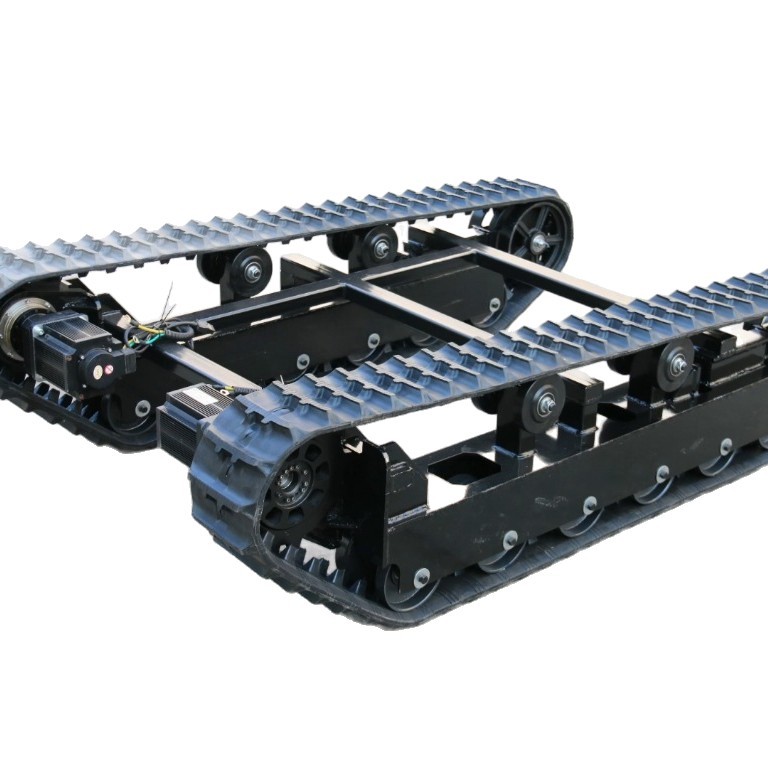
What Makes a Track Link Design Suited to Underground Mining Conditions?
Resistance to Abrasion and Impact in Confined Tunnels
In underground mines, tracked equipment has to work on rough, uneven rock floors. For every meter of movement, the track link is exposed to damage from sharp rocks and bumps in the ground. A track link made of high-quality cast steel with a controlled alloy content is tough enough to take these repeated hits without breaking. Its hardened edges also protect against the constant abrasive wear that destroys lower-quality options in active mining tunnels.
Structural Integrity Under High-Load Operation
A lot of the time, underground mining equipment works at or close to its highest rating load. They carry big loads, push against rock walls, or climb steep ramps inside the mine. The track link has to be able to transfer these traction forces without deforming or getting wear cracks in the pin holes or on the side walls of the link. A good structural design and accurate casting shape make sure that the track link can handle the heavy loads of the equipment during long production shifts without needing to be fixed often.
Compatibility Across Different Underground Equipment Types
Underground mining fleets typically include multiple equipment types from different manufacturers — loaders, haulage vehicles, and support machines — often operating on similar undercarriage configurations. A track link designed with standardized pitch dimensions and pin bore tolerances simplifies spare parts management significantly. When a single track link specification is suitable for various types of equipment in the fleet, procurement teams can carry less inventory and maintenance crews can respond faster to track failures anywhere in the mine.
Key Design Features That Define High-Performance Track Links
Cast Steel Construction with Alloy Enhancement
The foundation of any high-performance track link for underground mining is the base material. Cast steel with targeted alloy additions — such as manganese for toughness and chromium for surface hardness — produces a track link that balances wear resistance with the ductility needed to absorb shock loading without brittle fracture. This material approach gives the track link excellent strength and the ability to operate continuously in the harsh, wet, and abrasive underground environment that shorter-lived alternatives cannot handle reliably.
Precision Pin Bore and Joint Geometry
The pin bore is the most stress-critical location on any track link, as it concentrates both the traction forces transmitted through the chain and the bending loads from ground contact. Precise casting and machining of the pin bore diameter and surface finish ensures correct pin fit, which directly affects joint articulation, wear rate, and the risk of pin seizure in wet or muddy underground conditions. A well-dimensioned track link joint also maintains correct chain pitch over a longer service life, reducing the frequency of chain stretch adjustments.
Easy Installation and Reduced Maintenance Downtime
In underground mining, equipment downtime has a direct and immediate impact on production output. A track link that is straightforward to remove and install — with accessible pin retention features and dimensional consistency that eliminates fitment guesswork — reduces the time maintenance crews spend on track repairs. Castings that are easy to replace and install, and that carry a relatively long service life, reduce both maintenance frequency and the total cost of keeping tracked equipment in productive operation across long production cycles underground.
Sourcing Track Links for Underground Mining: What to Look For
Material Certification and Quality Documentation
When sourcing track links for underground mining equipment, material certification is not optional — it is a baseline requirement. A reputable supplier provides chemical composition reports, hardness test results, and dimensional inspection records with every batch. For mine operators and equipment repair companies managing safety-critical undercarriage components, documented quality control gives procurement and maintenance teams the confidence that each track link meets specification before it enters service in a demanding underground environment.
Custom Track Link Production for Non-Standard Equipment
Not every underground mining machine uses a standard OEM track link specification. Older equipment, regionally manufactured machines, and modified undercarriage configurations frequently require custom track link dimensions. Supplying complete engineering drawings — including pitch, pin bore diameter, link height, and material specification — to a manufacturer with full casting and machining capability ensures an accurate fit. Custom orders involving multiple drawing confirmations or special alloy requirements may carry a longer production cycle, so advance procurement planning protects against unplanned downtime.
Evaluating Supplier Capability and Delivery Reliability
For mining operations with scheduled maintenance windows, delivery reliability is as important as product quality. A supplier with a strong production team, robust scheduling practices, and a track record of fulfilling orders for engineering and mining mechanical parts consistently is far more valuable than one offering low prices but uncertain lead times. Evaluating a supplier’s production capacity, quality management process, and willingness to provide documentation before placing a first order reduces sourcing risk significantly for critical undercarriage components.
Conclusion
The top track link designs for underground mining combine cast steel or alloy steel construction, precise joint geometry, and ease of installation into a component that keeps tracked equipment running reliably in one of the most demanding industrial environments there is. Matching the right track link specification to your equipment — and sourcing it from a supplier who backs their product with proper quality documentation — is the most direct route to lower maintenance costs and better machine availability underground.
FAQ
Q1: What material is best for underground mining track links?
High-quality cast steel or alloy steel with controlled manganese and chromium content is the standard choice, offering the toughness and wear resistance needed to handle the abrasive and high-impact conditions of underground mine floors.
Q2: How do I know when a track link needs replacing?
Visible elongation of the chain pitch, cracking at pin bores, significant wear on the link rail surface, or pin seizure are the key indicators. Regular measurement of chain pitch against the manufacturer’s wear limit is the most reliable monitoring method.
Q3: Can track links be produced to non-standard dimensions?
Yes. Manufacturers with casting and machining capability can produce track links to customer-supplied drawings. Providing complete dimensional data upfront shortens lead time and ensures an accurate fit with the existing undercarriage.
Q4: What documentation should come with a track link order?
Material certificates, hardness test results, chemical composition reports, and dimensional inspection records should accompany every shipment. These documents support quality verification before the parts are installed on mining equipment.
Q5: How long does a custom track link order take to produce?
Standard configurations can be fulfilled within a reasonable timeframe. Custom designs involving drawing confirmation, special alloy grades, or non-standard geometry may require a longer production cycle, so planning procurement ahead of maintenance schedules is strongly recommended.
Source Track Links Built for Underground Mining from Huan-Tai
Xian Huan-Tai Technology and Development Co., Ltd. has over 30 years of experience manufacturing customized non-standard mechanical parts for mining machinery and heavy engineering equipment. Our production and technical teams manage quality at every stage — from material selection and casting through to machining and final inspection — ensuring each track link meets your exact specifications. Ready to discuss your requirements? Send us your drawings today and let us deliver. Contact us at inquiry@huan-tai.org.
References
1. Hartman, H. L., & Mutmansky, J. M. (2002). Introductory Mining Engineering (2nd ed.). John Wiley & Sons.
2. Hustrulid, W., & Bullock, R. L. (Eds.). (2001). Underground Mining Methods: Engineering Fundamentals and International Case Studies. Society for Mining, Metallurgy and Exploration.
3. Caterpillar Inc. (2015). Caterpillar Performance Handbook (45th ed.). Caterpillar Inc.
4. Bauer, A., & Calder, P. N. (1978). Open Pit and Blasting Seminar: Mining Engineering. Queen’s University at Kingston, Department of Mining Engineering.
5. Nienhaus, K., Maßmann, J., & Halbach, F. (2012). Wear mechanisms in underground hard rock mining equipment components. International Journal of Rock Mechanics and Mining Sciences, 51, 34–42.
