
Jaw stock is the term used to describe the fixed and moving worn parts that are attached to the jaw plates of a jaw crusher. These parts are essential for breaking down hard materials like rock, metal, and building waste. Two main types of jaw stock are fixed jaw stock and moving jaw stock. Compound jaw stock is another type. Each type is made from high-performance materials, most often high manganese steel or high carbon steel, to handle the tough conditions found in mining, quarrying, and heavy building.
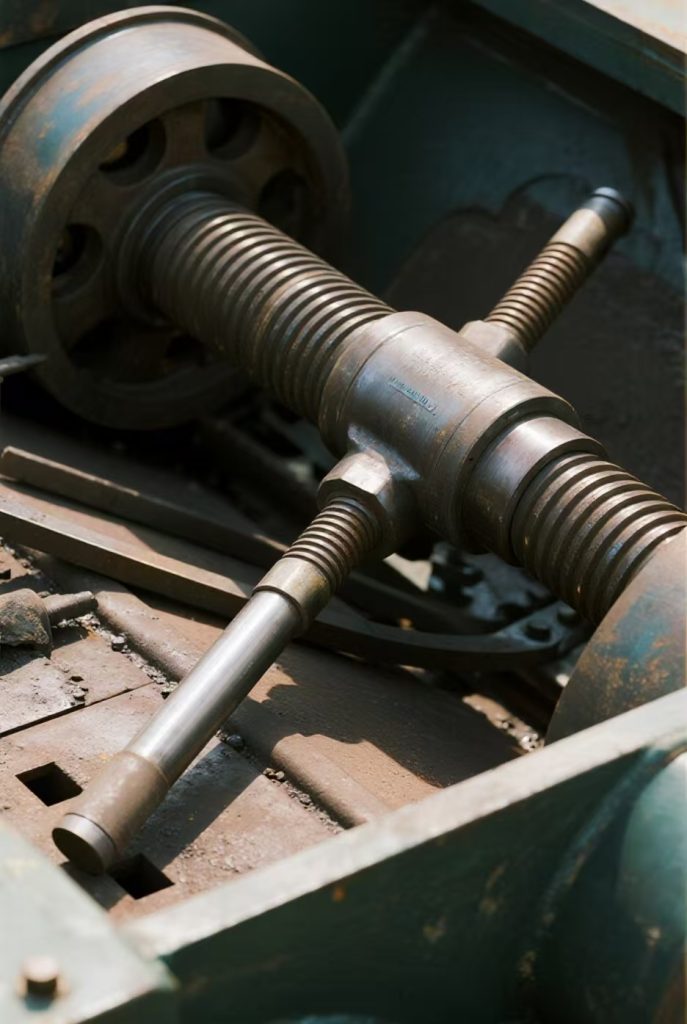
Types of Jaw Stock Used in Metalworking and Crushing Equipment
Fixed Jaw Stock
The wear plate that is fixed to the front frame of the crusher is called the fixed jaw stock. It works with the moving mouth to make the compression force needed to break things up. This kind of jaw stock is made from high manganese steel, which hardens when hit over and over again, making it last a lot longer. Because it is very strong and stiff, it can handle the reaction forces that are created during heavy crushing processes in mining and quarries.
Movable Jaw Stock
The moving jaw stock, which is moved by the eccentric shaft, moves toward and away from the fixed jaw. It is the dynamic wear part. It has to be able to handle repeated impact loads and rough touch with ore and hard rock. The adjustable jaw stock is made from high carbon steel or high manganese steel, which makes it very tough and resistant to pressure. In tough building and mining settings, choosing the right materials has a direct effect on how much work gets done and how often it needs to be done.
Composite and Special Alloy Jaw Stock
Composite jaw stock has a hard outer surface and a tough inner core. This gives it better wear life in situations where the rock is very hard or rough. Most of the time, alloy steel or bimetal casting is used to make these parts. They are resistant to rusting and can be used on a wider range of rocks and ores that are harder. Composite jaw stock can be made to specific size specs to fit different crusher frame designs for special equipment setups.
Material Selection and Performance Characteristics of Jaw Stock
High Manganese Steel Jaw Stock
Most of the time, high manganese steel (Mn13 or Mn18) is used for jaw stock in initial breaking. Because of its unique work-hardening trait, the surface gets harder as it takes hits, but the body stays tough and flexible. This means it can handle rock, basalt, and iron ore well. In humid mine settings or when handling wet ore, jaw stock made of high manganese steel also shows good rust resistance.
High Carbon Steel and Alloy Steel Jaw Stock
It is best to use high carbon steel or alloy steel jaw stock when you need reliable physical accuracy and resistance to wear. Cast steel jaw stock made from these materials is very strong and stiff, even when it’s loaded over and over again. It can also handle the force of fragmentation without breaking or deforming. For machine makers who make parts for forklifts, mining equipment, or valve bodies, alloy steel jaw stock gives them the stable mechanical qualities they need for long production runs and regular repair plans.
Material Impact on Service Life and Operational Cost
What kind of material you use for jaw stock has a direct effect on how much it costs to run and how often it works. Quality cast materials mean that they don’t need to be replaced as often and that unexpected downtime is kept to a minimum. Repair companies that take care of old breaking equipment need to find the right jaw stock in order to get the machines working again. Material approval, chemical makeup records, and hardness test results are all pieces of paperwork that all jaw stock from a reputable maker must come with.
How to Choose the Right Jaw Stock for Your Application
Matching Jaw Stock to Rock Hardness and Feed Material
Before choosing jaw stock, you should know how hard and rough the material being crushed is. Standard high manganese steel jaw stock works well and is a cheap option for working with softer limestone or salvaged concrete. For solid rocks that are harder, like granite or quartzite, composite or high-alloy jaw stock lasts longer. Improved rust resistance is another advantage of jaw stock made for harder rocks, which lessens damage from wetness and small mineral particles over time.
Customization Lead Time and Drawing Confirmation
Production and shipping can usually be set up within a few weeks for common jaw stock designs. Customized jaw stock, especially non-standard shapes that need multiple drawing confirmations and process changes, may take longer to make, though. To cut down on review processes, buyers should give full detailed drawings and material specs up front. Getting involved with the manufacturer’s engineering team early on speeds up the process and makes sure that the end jaw stock meets all performance and size requirements.
Quality Inspection and Delivery Standards
Reliable jaw stock providers do strict quality checks at every step of the production process, from finding the raw materials to checking the end sizes. Some important checks are checking for sharpness, looking for flaws in the casting, and comparing the dimensions to engineering plans. Consistent quality and on-time delivery are musts for machinery makers and service shops that need to buy new jaw stock. Buyers from other countries rely on a source with good production management and a specialized inspection team to give them security and dependability.
Conclusion
Knowing the differences between fixed, adjustable, and composite jaw stock, as well as the features of each type, helps buyers make smart decisions about what to buy. In mining and industry, high manganese steel and alloy steel jaw stock are used because they are strong, don’t rust, and don’t break when hit. To get solid performance and lower lifetime costs, it’s important to choose a qualified maker with a strict checking process and a history of producing high-quality goods.
FAQ
Q1: What is jaw stock made of?
High manganese steel, high carbon steel, or alloy steel are most frequently used to make jaw stock. Each material is chosen based on how hard it needs to be and how long it needs to last.
Q2: How long does jaw stock last?
Service life depends on the type of material, how hard the rock is, and how it is used. It is possible for high manganese steel jaw stock to become harder when it is hit, which can make it last much longer than regular steel.
Q3: Can jaw stock be made to fit outside of the normal sizes?
Yes, skilled makers can make jaw stock based on plans provided by the customer. This includes non-standard shapes and material requirements. However, wait times for complex custom parts may be longer because of the time needed to check the designs and set up the process.
Q4: What kinds of tasks do jaw stocks do in crushers?
Jaw stock is mostly used in jaw breakers for mining, digging, and making aggregates. In heavy industrial settings, it is an important wear part for handling hard rocks, metal, and building waste.
Q5: How do I choose the right jaw stock for my machine?
Key factors include the type of crusher and its frame size, the feed material’s hardness and abrasiveness, the amount of work that needs to be done, and the budget. Giving your provider a full picture and list of materials will make sure that you get jaw stock that fits and works as expected.
Partner with Huan-Tai for Reliable Jaw Stock Solutions
Xian Huan-Tai Technology and Development Co., Ltd. has been making custom, non-standard mechanical parts for 30 years. They make jaw stock and crusher wear parts that meet the strictest engineering and mining needs. Our skilled production and technical teams make sure that quality is managed at every step of the way, making sure that everything is consistent, reliable, and delivered on time. Ready to find jaw stock that will really work with your machine? Send us an email at inquiry@huan-tai.org right away, and we’ll use our knowledge to help you.
References
1. Wills, B. A., & Finch, J. A. (2016). Wills’ Mineral Processing Technology: An Introduction to the Practical Aspects of Ore Treatment and Mineral Recovery (8th ed.). Butterworth-Heinemann.
2. Metso Outotec. (2021). Crushing and Screening Handbook (6th ed.). Metso Outotec Corporation.
3. Gupta, A., & Yan, D. S. (2006). Mineral Processing Design and Operations: An Introduction. Elsevier Science.
4. Bjorklund, S., & Shefelbine, S. (2019). Wear mechanisms in high manganese steel crusher liners under impact-abrasion loading. International Journal of Mining and Mineral Engineering, 10(2), 112–129.
5. Chen, Z., & Li, H. (2020). Material selection and performance evaluation of jaw crusher wear parts in hard rock applications. Journal of Materials Engineering and Performance, 29(8), 5214–5223.
