
If the bearing cover is loose, you need to fix the problem right away. If this problem isn’t fixed, it leads to faster bearing wear, misaligned shafts, more shaking, and in big industrial settings like mine machines and engineering equipment, it can get so bad that the whole part fails. To fix a loose bearing housing, you need to find out why it’s loose, check how worn or damaged the bore and mounting surfaces are, and then either fix the fit using tried-and-true repair methods or replace the housing with one that fits properly.
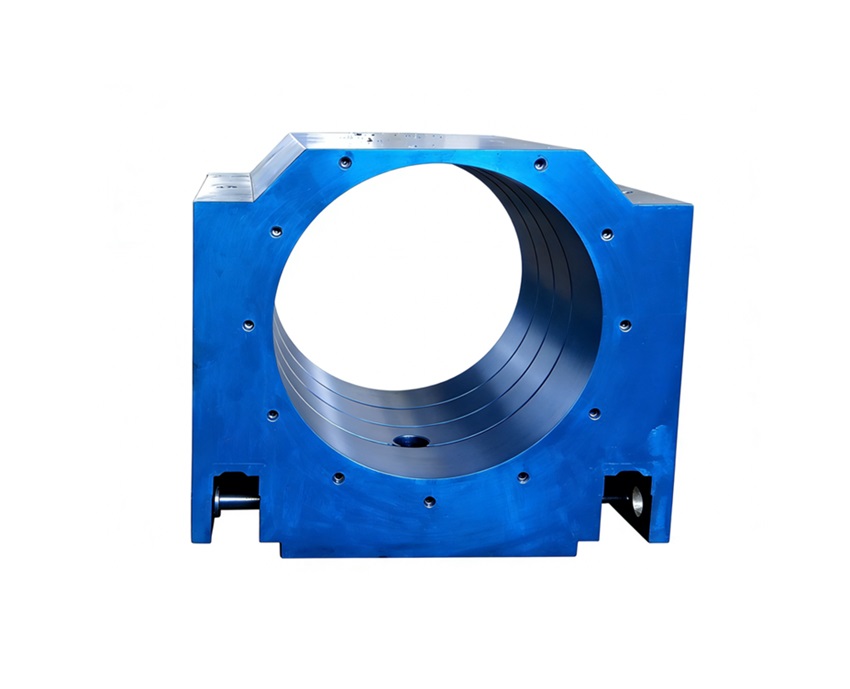
Why Bearing Housings Come Loose: Root Causes to Identify First
Bore Wear and Loss of Interference Fit
Most of the time, a loose bearing housing is caused by the bore surface wearing down over time. This makes it harder or impossible for the housing and the bearing outer race to fit together properly. When big loads and constant vibrations are put on breaking and mining equipment, even a small loss of fit lets the bearing move very slightly inside the case. This movement causes pitting rust on the bore surface, which speeds up the wear cycle and makes the fit worse quickly over time.
Inadequate Fastener Torque and Mounting Surface Damage
In split or flanged bearing housing designs, loose fasteners are a frequent cause of housing movement on the machine frame. If mounting bolts lose preload due to vibration or thermal cycling, the bearing housing can shift on its seating surface, disrupting shaft alignment and allowing the housing to rock under dynamic loading. Damaged or corroded mounting faces — particularly common on older equipment in wet or dusty mining environments — compound the problem by preventing proper contact and even load distribution across the housing base.
Original Specification Mismatch or Incorrect Replacement Parts
A bearing housing that was never the right fit for the application will become loose sooner than expected. If a replacement bearing housing was sourced to approximate rather than exact dimensions, any gap between the housing bore and the bearing outer race will allow movement from the first day of operation. For non-standard or regional crusher models and engineering machinery where original drawings may be hard to obtain, working with a manufacturer capable of producing bearing housing to custom dimensions is the only reliable solution.
Practical Methods to Fix a Loose Bearing Housing
Bore Repair Using Metallic Bonding Compounds
For mild bore wear where the housing structure is otherwise sound, a metallic bonding compound applied to the bore surface can restore the interference fit without the need for immediate replacement. The bore is cleaned thoroughly, the compound applied, and the bearing pressed back in while the compound cures. This method is widely used as a temporary or interim fix in field maintenance settings, particularly when a replacement bearing housing is on order and machine downtime needs to be minimized.
Line Boring and Sleeving for Worn Housing Bores
When bore wear is more significant, line boring the bearing housing bore to a larger diameter and pressing in a machined sleeve restores the original bore size and surface finish. This approach gives the bearing a fresh, correctly dimensioned seat and brings the housing back to specification. It requires access to appropriate machine tools and a dimensionally accurate sleeve, but it is a durable repair method that is suitable for large or expensive bearing housing castings where full replacement would be costly.
Full Replacement with a Correctly Specified Bearing Housing
If the bore of the bearing housing or the body of the structure is too broken to be fixed consistently, it is best to replace it. A new bearing case made from high-quality cast steel or iron and an improved structural design makes sure that the bearing and the machine frame fit correctly from the start. Finding a new bearing housing that works with different types of equipment and is the same size as the original model is the most reliable long-term solution for heavy-duty mining and industrial equipment.
Preventing Recurrence: Maintenance and Sourcing Best Practices
Regular Inspection and Vibration Monitoring
A regular check plan is the best way to keep a bearing cover from coming loose again. Regularly checking the tightness of fasteners, keeping an eye on vibration levels with portable tools, and looking at the bore surface for early signs of fretting rust are all ways to find problems before they get so bad that they break. An early notice saves a lot more time and money than a reactive repair when it comes to heavy-duty uses like crusher main shaft systems or mine conveyor drive units.
Correct Installation Practice and Torque Specifications
Many loose bearing housing problems originate at installation. Applying the correct torque to all fasteners in the right sequence, ensuring mounting faces are clean and flat before assembly, and verifying bearing fit before pressing are basic steps that are sometimes skipped under time pressure. A bearing housing installed correctly — with full contact across the mounting surface and a properly achieved interference fit at the bore — will perform reliably for its full intended service life under normal operating conditions.
Sourcing Custom Bearing Housings: Lead Time and Drawing Requirements
When a bearing housing needs to match a specific crusher model, conveyor frame, or engineering machine configuration, standard catalogue parts may not fit adequately. A custom bearing housing produced to the customer’s engineering drawings provides a precise fit that eliminates the dimensional uncertainty that leads to premature loosening. Customized orders — particularly those involving drawing confirmation, special bore tolerances, or non-standard mounting configurations — may carry a longer production cycle, so planning procurement ahead of scheduled maintenance avoids unplanned downtime.
Conclusion
Fixing a loose bearing housing means addressing the root cause — whether that is bore wear, fastener failure, or a specification mismatch — rather than simply re-tightening and hoping for the best. For heavy industrial applications in mining and engineering, using a correctly designed and precisely manufactured bearing housing, installed to proper specifications, is the most reliable path to preventing recurrence and protecting the wider machine assembly from progressive damage.
FAQ
Q1: What are the signs of a loose bearing housing?
Increased vibration, unusual noise, elevated bearing temperature, and visible fretting corrosion around the bore or mounting interface are all common indicators that a bearing housing has developed excessive movement.
Q2: Can a worn bearing housing bore be repaired rather than replaced?
Yes, in many cases. Metallic bonding compounds work for mild wear; line boring and sleeving suit more significant bore damage. Full replacement is recommended when the housing body itself is cracked or structurally compromised.
Q3: How important is torque specification when installing a bearing housing?
Very important. Incorrect torque — either too low or unevenly applied — allows the housing to shift under load. Always follow the manufacturer’s torque specifications and use a calibrated torque wrench during installation.
Q4: Can a bearing housing be produced to non-standard dimensions?
Yes. Manufacturers with full casting and machining capability can produce bearing housing to customer-supplied drawings, including non-standard bore sizes, flange configurations, and mounting patterns.
Q5: How long does a custom bearing housing take to produce?
Standard configurations can be delivered relatively quickly. Custom designs involving drawing confirmation or special tolerances generally require a longer production cycle, so early ordering is strongly recommended.
Need a Bearing Housing That Fits and Stays Put? Talk to Huan-Tai
Xian Huan-Tai Technology and Development Co., Ltd. brings over 30 years of experience to the manufacture of customized non-standard mechanical parts for mining machinery, crushing equipment, and heavy engineering applications. Our production and technical teams control quality throughout every step of the process — from drawing review and material selection through to casting, machining, and dimensional inspection. If you need a bearing housing built to your exact specifications, send us your drawings today. We are ready: inquiry@huan-tai.org.
References
1. Harris, T. A., & Kotzalas, M. N. (2006). Rolling Bearing Analysis: Essential Concepts of Bearing Technology (5th ed.). CRC Press.
2. SKF Group. (2018). SKF Bearing Maintenance Handbook. SKF Group Publication.
3. Neale, M. J. (Ed.). (1993). The Tribology Handbook (2nd ed.). Butterworth-Heinemann.
4. Eschmann, P., Hasbargen, L., & Weigand, K. (1985). Ball and Roller Bearings: Theory, Design, and Application. John Wiley & Sons.
5. Mobley, R. K. (2002). An Introduction to Predictive Maintenance (2nd ed.). Butterworth-Heinemann.
