
The base of the crusher is the most important part of any breaking machine. How well the machine takes impact loads, stays aligned while running continuously, and produces consistent output over its service life is directly related to how it was designed, what materials were used, and how precisely it was manufactured. A well-designed crusher frame keeps all the working parts in the right place, lowers shaking, and stops stress cracking. It is one of the most important parts of making sure the machine stays stable over time.
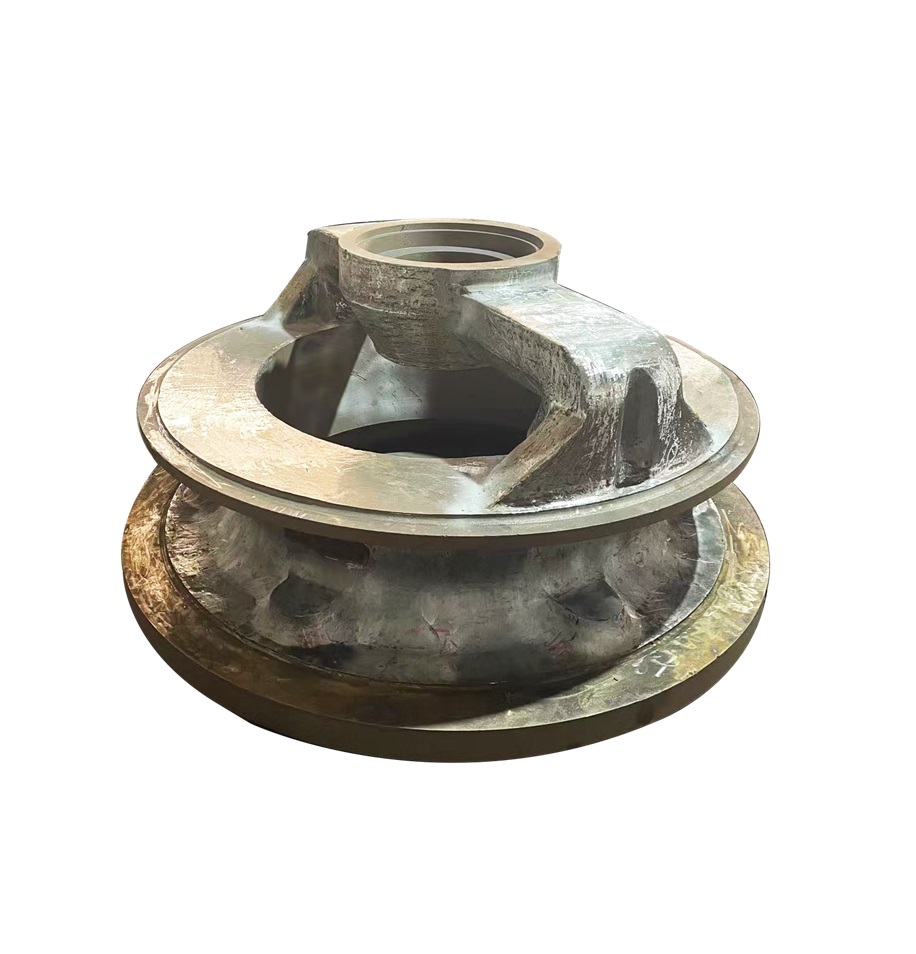
How Crusher Frame Design Determines Load Distribution and Machine Stability
Structural Geometry and Stress Concentration
Where stress builds up during work is controlled by the shape of the breaker frame. Frames with well-placed ribs and walls that are all the same width spread impact forces more evenly across the whole structure, making it much less likely that cracks will form in one place. When machines in engineering and mining are put through heavy, repeated loads, a well-designed crusher frame keeps the machine going reliably for its entire service life and stops it from breaking down early from stress.
Welding and Joint Integrity
Most of the time, a crusher frame is made by carefully welding together high-strength steel plates or casting the frame as a single piece. It is very important that every weld joint is strong. Cracks can spread when there is bad fusion or secret gaps when the load is changed. Before leaving Huan-Tai, each crusher frame goes through a tight weld inspection and structural testing to make sure the joints can handle the mechanical demands of real work settings in heavy industry, mining, and quarries.
Frame Rigidity and Vibration Control
Rigidity isn’t just about mass; it’s also about how well the frame of the crusher moves and absorbs energy. A rigid frame lowers vibration, which directly keeps bearings, shafts, and drive parts from wearing out faster. Keeping vibrations low in high-throughput crushing lines also makes the size of the crushed particles more regular, which is an important performance measure for processes that come after.
How Material Selection of the Crusher Frame Affects Long-Term Stability
High-Manganese Steel for Impact Resistance
Most of the time, high-manganese steel is used for crusher frames and wear parts in heavy-impact situations. Its work-hardening trait means that as it takes repeated hits, the surface gets harder, but the inside stays tough enough to not break. This makes it perfect for crusher frames that work in mining and quarries, where the machine is constantly being hit with large amounts of material and sudden overloads.
Alloy Steel and Cast Steel for Structural Components
Alloy steel and cast steel are often used for crusher frame parts that need to be more precise in their measurements or have certain mechanical qualities. These materials are very strong for how heavy they are, and they can be heated to get the right mix of hardness and toughness. The engineering team at Huan-Tai chooses the right material grade based on the working conditions, load profile, and repair times needed by the customer. This makes sure that the crusher frame works reliably without going too far with the specifications.
Spring Components and Their Role in Frame Protection
The crusher frame is protected by springs that are built into the unit. These springs are usually made of spring steel, high-strength steel wire, or carbon steel. They work as mechanical dampers that take the force of shocks away from the main frame structure before they get there. So, picking the right springs based on the regularity and intensity of the load is a key part of making sure that the frame of the crusher stays under controlled, expected stress levels throughout its working life.
How Crusher Frame Quality Directly Impacts Production Reliability
Dimensional Accuracy and Component Fit
The frame of the crusher needs to be very accurate in terms of its dimensions so that all of the parts that fit together, like bearing housings, liners, and drive units, can fit properly and stay in line when the machine is loaded. Even small changes in the shape of the frame can lead to uneven wear patterns, more shaking, and parts breaking down faster. Before leaving the factory, Huan-Tai’s production team checks that every crusher frame has the right key measurements using high-tech cutting and checking tools.
Wear Part Compatibility and Replacement Efficiency
It is easier and less expensive to do regular upkeep on a stable crusher frame. When the frame keeps its shape over time, new parts like liners, blow bars, and dust rings—which are usually made of high-manganese steel or high-chromium alloy steel—fit properly without needing to be adjusted further. This reliability is especially helpful for maintenance and repair businesses that need to keep extra parts in stock and machine downtime to a minimum.
Delivery and Customization Considerations
Customized crusher frames go through a long process that includes making sure the drawings are correct, getting the materials, cutting them out, and checking the quality. Lead times rely on the complexity of the part and the number of design approval cycles. Frames that aren’t too complicated might be finished in a few weeks, but custom setups that need a lot of drawing changes and extra processing steps might take longer. During this whole process, Huan-Tai works closely with customers to make sure that timelines are clear and attainable.
Conclusion
The frame of the crusher is more than just an inactive shell; it’s what makes the machine stable, resistant to wear, and consistent in its output. Choosing the right frame design, material specifications, and manufacturing partner has a direct impact on how well a breaking machine works for its whole life. This choice needs to be carefully thought through for mining, quarrying, and big building jobs.
FAQ
Q1. What kinds of materials are usually used to make crusher frames?
Most of the time, high-manganese steel is used because it can withstand contact and strengthen over time. When exact measurements and certain strength levels are needed, alloy steel and cast steel are also used.
Q2: How does the frame of a crusher affect how well wear parts work?
A stable frame for the crusher makes sure that wear parts like liners, blow bars, and dust rings fit properly and wear evenly. This means that they last longer between services and require less unexpected downtime.
Q3: Can frames for crushers be changed to fit different types of equipment?
Yes, Huan-Tai makes non-standard crusher frames that are made from customer sketches or samples. The type of material used and the size limits are adjusted to fit the needs of the application.
Q4: What kinds of quality checks are done on crusher frames before they are sent out?
In Huan-Tai’s production quality process, each crusher frame is measured, the soundness of the welds is checked, and the material is confirmed. This makes sure that the quality is the same from one batch to the next.
Q5: In general, how long does it take to make a handmade crusher frame?
Lead times rely on how complicated the part is and how confirmed the drawing is. Most of the time, standard setups are faster than unique designs that need more than one step in the process. Huan-Tai gives predictions of when things will be done based on the individual needs.
Work With a Manufacturer Who Understands Your Requirements
Xian Huan-Tai Technology and Development Co., Ltd. has been making special, non-standard mechanical parts for mining and industrial uses for 30 years. They bring a lot of production knowledge to every order for a crusher frame. Our skilled production and expert teams make sure quality is maintained at every step of the way, from confirming the drawing to the final review. This way, you get parts that meet your performance standards and are delivered on time, so you can plan your day around them. Are you ready to talk about your needs? Contact us at: inquiry@huan-tai.org.
References
1. Wills, B. A., & Finch, J. A. (2015). Wills’ Mineral Processing Technology: An Introduction to the Practical Aspects of Ore Treatment and Mineral Recovery (8th ed.). Butterworth-Heinemann.
2. Metso Corporation (2020). Crushing and Screening Handbook (6th ed.). Metso Minerals.
3. Gupta, A., & Yan, D. S. (2006). Mineral Processing Design and Operations: An Introduction. Elsevier Science.
4. Lynch, A. J., & Rowland, C. A. (2005). The History of Grinding. Society for Mining, Metallurgy, and Exploration (SME).
5. Bearman, R. A., & Briggs, C. A. (1998). The Active Use of Crushers to Control Product Requirements. Minerals Engineering, 11(9), 849–859.
