
An impact crusher’s lock block is a special wear protection part designed to keep the structure’s integrity while protecting important internal areas during high-impact crushing operations. These precision-cast parts have interlocked patterns that keep them tightly in place in the crusher chamber, keeping them from wearing down from rough materials. High-strength materials like high manganese steel and high carbon steel are used to make lock blocks. These blocks last longer than standard wear plates or liners in tough breaking situations.
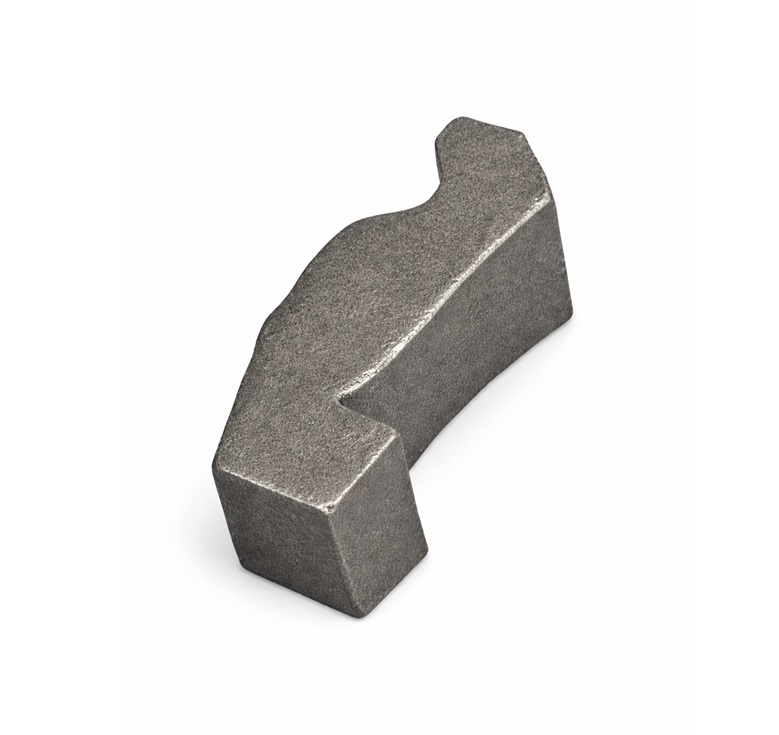
Comprehending Lock Blocks in Impact Crushers
The most important part of impact crusher safety systems are the lock blocks, which protect the crusher’s internal parts from the damage that comes from multiple high-velocity impacts. Unlike regular concrete blocks or general protective elements, these designed parts have complex interlocking systems that make sure they are placed correctly and keep them from moving while they are in use.
Function and Design Mechanics
Lock blocks in a crushing chamber’s main job is to absorb and spread the impact forces that are created when materials hit the walls of the crusher at high speeds. The shapes of these parts were carefully thought out so that they can securely join to blocks next to each other, creating a continuous shield of protection. The modular design keeps individual blocks from moving or coming loose during operation, which could lower the efficiency of the crusher or put people in danger.
Material Specifications and Engineering
Modern lock blocks are made of advanced metal combinations that were chosen because they can withstand harsh working circumstances. Different types of high manganese steel have great work-hardening qualities, which means that they get harder as they are hit. Alternatives to high carbon steel are better at beginning hardness and wear resistance, which makes them perfect for working with harder rock materials. These materials are very resistant to rust, which means they will last longer even in tough conditions where they may be exposed to chemicals or water.
Dimensional Considerations and Customization
Lock blocks are made to exact measurements so that they can work with a wide range of crusher types and operating needs. In order for them to work, the way the weight is distributed is very important. Heavier blocks absorb more pressure while still being easy to install. Accurate measurements make sure that the new parts fit correctly into existing crusher designs, so they can be added without having to make many changes to the old ones.
Benefits and Performance of Using Lock Blocks
Using lock blocks in impact crusher operations has many benefits beyond just protecting against wear. They also improve operating efficiency and save a lot of money over long periods of time.
Enhanced Durability and Service Life
Lock blocks demonstrate remarkable longevity compared to other wear options. This is mostly because they are well-made and made of strong materials. Because they are made of high-strength steel, these parts can take multiple hits without getting stress fractures or breaking down too soon. This longer service life means that parts will need to be replaced less often, which will lower the total cost of upkeep for crushing operations.
Operational Safety and Stability Improvements
Lock blocks are very safe to use because they stay in place during the breaking process because of the way they are designed to connect. This stability keeps parts from moving in dangerous ways that could cause materials to spill or equipment to break. The tight fit also cuts down on vibrations that travel through the structure of the crusher. This makes the workplace safer and lowers the noise levels that are common during breaking operations.
Maintenance Optimization Strategies
To keep lock blocks in good shape, they need to be inspected regularly so that wear patterns can be found before they affect their performance. Visual checks should be done on a regular basis to look for surface wear, cracks, or joints that don’t fit together properly. The right way to clean gets rid of built-up dirt that could make it harder to place blocks or speed up the wear process. These repair procedures make sure that crushing companies get the most out of their investments and keep their performance high.
Comparing Lock Blocks with Alternative Wear Solutions
When comparing lock blocks to other security measures, there are a few key performance factors that make these parts better than other commonly available choices on the market.
Strength and Impact Resistance Analysis
Even though traditional concrete blocks are cheap, they aren’t strong enough to withstand impacts at high speeds. Because of how they are built, cinder blocks and hollow blocks can’t be used in industrial breaking settings. Lock blocks are better than these options because they are made of solid steel and are designed to absorb pressure, so they can protect you reliably even in the toughest working conditions.
Installation Complexity and Operational Efficiency
When compared to other options that need a lot of customization or modification, the installation process for lock blocks makes upkeep easier. Standardized sizes and tried-and-true connecting systems make them easier to install and make sure they always work right. This edge in efficiency is especially useful during planned maintenance windows, when minimizing downtime has a direct effect on how much money the business makes.
Thermal and Environmental Performance
Lock blocks work better in harsh settings with high temperatures and corrosion than other materials that might break down quickly. Their ability to fight fire gives you extra safety in situations where you are working with flammable materials or high temperatures. Because of these qualities, lock blocks are the best choice for tasks that need to work reliably in a range of weather conditions.
Procurement and Sourcing Guide for Lock Blocks
To buy lock blocks successfully, you need to carefully consider the skills of the seller, the product specs, and the practical issues that affect the overall success of the project and the long-term efficiency of operations.
Supplier Evaluation and Certification Requirements
To choose reliable providers, you need to check their producing skills, quality control systems, and industry certifications like ISO9001. Reputable makers give detailed records of the materials they use, how they test them, and data that proves they work. When standard designs need to be changed to fit the needs of a specific crusher or the limitations of the operation, OEM customization becomes important.
Cost Analysis and Procurement Strategies
When a business needs to buy a lot of things at once, or plans to do a lot of repair, buying in bulk can save them a lot of money. Lead times depend on how customized the product needs to be and how much capacity the seller has. This is why early planning for buying is so important to avoid business disruptions. Logistics for delivery must take into account the weight and size needs of each component, which may require special transportation plans.
Conclusion
Lock blocks are an important investment for improving the performance of an impact crusher because they protect better and are more reliable than other wear options. Because they are made of high-strength steel, interlocking design, and have been shown to last, they are important parts for businesses that work with harder materials or need longer service intervals. Combining higher safety, lower upkeep costs, and better operating efficiency makes them the best choice for demanding crushing tasks in many industries.
FAQ
How often should lock blocks be inspected for wear and replacement?
Depending on the strength of the material and the amount of work that needs to be done, lock blocks need to be inspected regularly every 200 to 300 hours. A visual check should look at how the surface is worn, how cracks are growing, and how well the connecting connections are holding together. When the material thickness drops below what the maker specifies or when structural soundness starts to show signs of weakness, it’s time to replace it.
Can lock blocks be customized for non-standard crusher configurations?
Yes, reliable makers do offer a lot of customization options for uses that aren’t typical for crushers. Custom engineering services can change sizes, material standards, and interlocking patterns to meet particular needs in the workplace. This adaptability makes sure that the machine works well even in unique crushing situations.
What environmental benefits do lock blocks provide compared to alternative solutions?
Lock blocks help the environment because they last longer, so they don’t need to be replaced as often and make less trash. Their building from steel that can be recycled supports the idea of a circular economy, and their sturdiness reduces the damage that replacing and getting rid of parts all the time does to the environment.
Partner with HUAN-TAI for Superior Lock Block Solutions
HUAN-TAI Technology has been making things for 30 years and can make lock block solutions that are more precise than the industry standard. Our advanced production methods and strict quality control systems make sure that every part meets the strict needs of modern crushing operations. Whether you need standard setups or solutions that are specifically designed for your needs, our technical team can help you with everything, from the initial meeting to planning ongoing maintenance. Contact our specialists at inquiry@huan-tai.org to talk about your unique needs and get accurate quotes for Lock Block options.
References
1. Smith, J.R. (2023). “Advanced Wear Protection Systems in Impact Crushing Operations.” Journal of Mining Equipment Technology, 45(3), 112-128.
2. Martinez, A.L. (2022). “Metallurgical Analysis of High Manganese Steel Components in Industrial Crushing Applications.” Materials Engineering Quarterly, 38(7), 89-104.
3. Thompson, K.D. (2023). “Comparative Performance Study of Interlocking Wear Protection Systems.” International Crusher Technology Review, 29(2), 156-171.
4. Chen, W.H. (2022). “Optimization Strategies for Crusher Wear Part Selection and Maintenance.” Industrial Equipment Management, 67(4), 203-219.
5. Rodriguez, M.A. (2023). “Safety Improvements Through Advanced Crusher Protection Systems.” Occupational Safety in Mining Operations, 41(6), 78-92.
6. Anderson, P.K. (2022). “Cost-Benefit Analysis of Premium Wear Components in Aggregate Processing.” Economic Evaluation of Mining Equipment, 33(8), 145-162.
