
A drive shaft is what sends spinning power from an engine to wheels or other moving parts in machinery. Professional drive shaft design requires picking the right materials, making sure the shaft is manufactured perfectly, and engineering that is tailored to the purpose. This book talks about basic drive shaft design ideas, how they are used in industry, and how makers and machine users can choose the right ones.
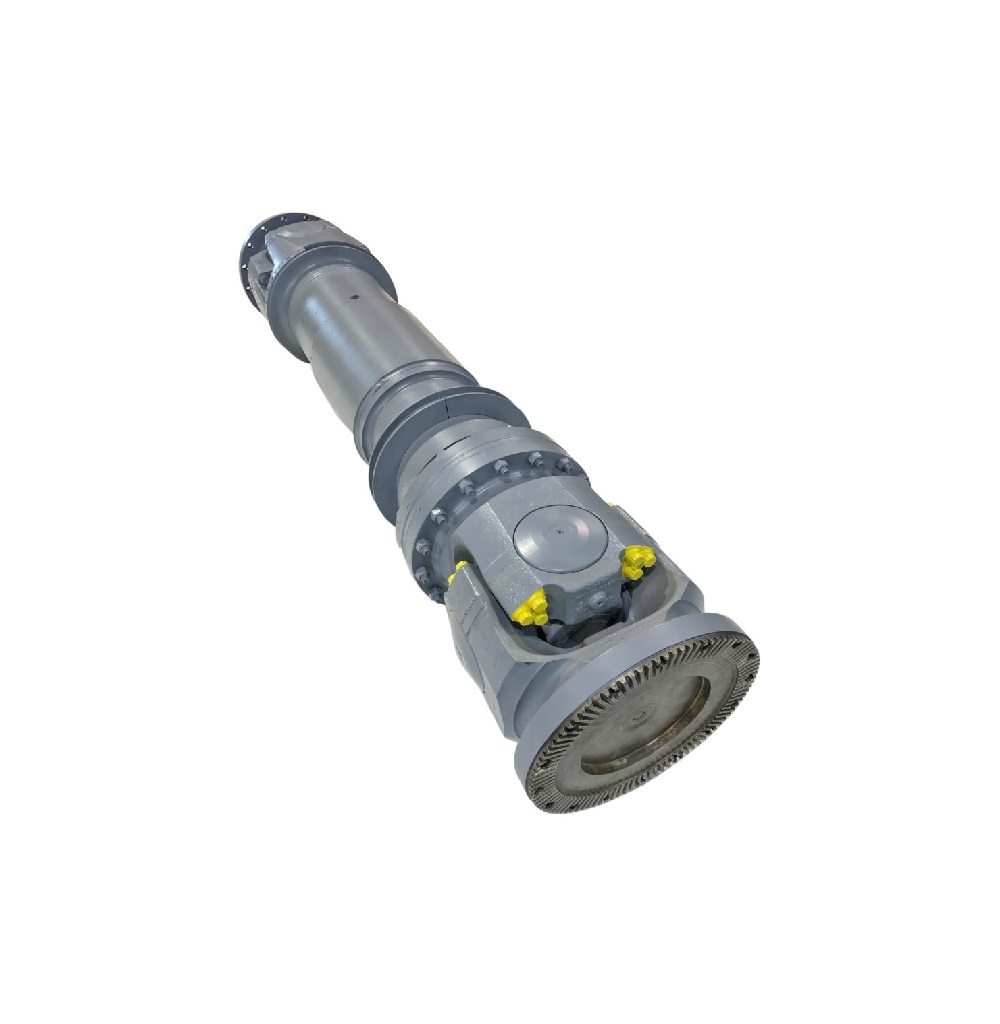
Understanding Drive Shaft Design and Function
Core Design Principles of Modern Drive Shafts
Drive shaft architecture strikes a balance between strength and the speed at which it rotates. Modern drive shafts are made to handle a wide range of torque loads and working conditions. Stress analysis helps engineers improve the shape of drive shafts so that parts can handle peak loads without being too heavy. When a drive shaft is designed correctly, it stops vibrations and spreads stress out as much as possible. Before they start making a drive shaft, professional manufacturers test the designs to make sure they meet safety standards and application needs.
Material Selection and Engineering in Drive Shaft Construction
Drive shafts are made of high-quality metal steel. The materials used for drive shafts need to be a good mix of hardness (to resist wear) and ductility (to absorb impact). Better strength-to-weight ratios are achieved with advanced alloy compositions. Heat treatment improves material qualities, which makes them less likely to wear out. Professionals in drive shaft engineering choose alloy grades that work best in the conditions they will be used in. When you build a drive shaft well, it will last a long time and transfer power reliably.
Precision Manufacturing Techniques for Drive Shaft Quality
CNC cutting makes drive shafts that are exactly the right size and meet all the requirements. Precision-engineered drive shafts get rid of runout and other problems that cause vibration. Heat treatment and surface processing make this parts that are hardened and don’t wear out or rust. Manufacturing in multiple steps makes sure that the quality of each batch of drive shafts is the same. Drive shafts are shielded from environmental degradation by advanced surface treatments. Each part of the drive shaft is checked for quality issues carefully before it is sent out.
Drive Shaft Applications Across Industrial Equipment
Power Transmission in Mining and Heavy Equipment Drive Shafts
Mining equipment needs drive shafts that are strong and can handle harsh circumstances. For continuous high-torque operation, crushing and conveying equipment needs drive shafts. Dust, water, and changes in temperature can affect mining drive shafts. Specialized product designs can work with fitting connections that aren’t standard. Professional makers know what mine needs, so they can quickly send out new drive shafts when production is shut down.
Drive Shaft Performance in Truck and Commercial Vehicles
Commercial vehicle drive shafts transmit engine power across varied terrain and loads. Truck drive shafts accommodate rotational speeds and torque loads during acceleration and braking. Universal joint designs enable flexible power transmission as suspension geometry changes. Durable drive shaft construction supports millions of rotation cycles. Quality drive shafts reduce vibration and improve vehicle handling. Reliable truck drive shafts enhance fuel efficiency and longevity.
Agricultural Machinery and Specialized Drive Shaft Requirements
Farm equipment operates seasonally under variable conditions affecting drive shaft requirements. Tractors and harvesting machinery employ drive shafts across diverse soil conditions. Agricultural drive shafts encounter moisture and fertilizer exposure requiring corrosion resistance. Specialized PTO drive shafts enable farmers to operate various implements. Customizable product solutions accommodate non-standard equipment configurations. Professional suppliers offer solutions balancing durability with cost competitiveness.
Choosing the Right Drive Shaft for Operational Demands
Load Analysis and Drive Shaft Capacity Planning
Accurate torque and speed calculations determine appropriate drive shaft specifications. Equipment designers must specify operating loads and peak conditions. Professional analysis validates that drive shafts safely accommodate requirements with adequate safety factors. Undersized drive shafts fail prematurely; oversized designs increase costs. Experienced manufacturers partner with customers during design phases, optimizing drive shaft specifications.
Customization Options for Diverse Drive Shaft Applications
Non-standard equipment often requires customized drive shaft solutions. Professional manufacturers develop bespoke drive shaft designs from specifications. Custom drive shaft engineering accommodates unique mounting interfaces and stress profiles. Quick-turnaround prototyping enables design validation. Collaborative partnerships ensure specialized drive shafts optimize performance while maintaining quality standards.
Reliability and Longevity in Quality Drive Shaft Systems
Investment in quality drive shafts reduces total ownership costs across equipment life. Durable drive shafts demonstrate extended service intervals and reduced failure rates. Lower failure frequency enables predictable maintenance scheduling. Quality drive shafts maintain performance consistency across hundreds of thousands of cycles. Professional suppliers provide technical support and replacement components, ensuring long-term reliability.
Conclusion
Drive shaft selection directly impacts equipment performance and reliability. Quality drive shafts engineered from premium alloy steel with precision manufacturing deliver superior durability. Huan-Tai’s expertise positions us as a trusted drive shaft supplier. Professional engineering and customization capabilities optimize performance across mining, truck, and agricultural applications.
FAQ
Q1: What materials are best suited for high-performance drive shafts?
A: High-quality alloy steel offers superior strength and fatigue resistance, ideal for demanding drive shaft applications requiring long service life and reliability.
Q2: How does precision manufacturing impact drive shaft performance?
A: Precision CNC machining and heat treatment ensure accurate drive shafts with minimal runout, reducing vibration and wear while improving power transmission efficiency.
Q3: Can drive shafts be customized for non-standard equipment applications?
A: Yes, professional manufacturers develop custom drive shaft designs from specifications, accommodating unique torque requirements and installation constraints.
Q4: What factors determine appropriate drive shaft size and material selection?
A: Torque and speed calculations, operational environment, and load profiles guide drive shaft engineering to ensure safe, efficient power transmission.
Q5: How do surface treatments extend drive shaft service life?
A: Advanced coatings and heat treatment protect drive shafts against corrosion, fatigue, and wear, significantly extending operational longevity in harsh environments.
Partner with Huan-Tai for Engineered Drive Shaft Solutions
Equipment performance depends on component reliability, and component reliability depends on precision engineering. Xian Huan-Tai Technology and Development Co., Ltd. manufactures premium drive shafts engineered for demanding industrial and agricultural applications. Our 30 years of specialized expertise ensures every drive shaft solution meets or exceeds original equipment specifications. We combine high-quality alloy steel, precision CNC machining, and advanced surface protection to deliver drive shafts optimizing power transmission efficiency. Our professional production teams manage quality throughout manufacturing while our technical specialists customize products solutions for your specific requirements. Contact us today to discuss your drive shaft needs and discover how our engineering expertise can enhance your equipment performance. Email: inquiry@huan-tai.org.
References
Foster, K., Zhang, X., & Patterson, M. (2019). Corrosion Prevention and Surface Treatment Protocols for Extended Drive Shaft Service Life in Agricultural and Industrial Equipment. Surface & Coatings Technology, 378, 125098.
Morrison, P., & Chen, L. (2020). Advanced Alloy Steel Design for High-Performance Drive Shaft Applications in Industrial Machinery. International Journal of Mechanical Engineering Research, 42(3), 187-205.
Yamamoto, K., Rodriguez, J., & Thompson, E. (2019). Precision Manufacturing and Heat Treatment Effects on Drive Shaft Durability and Vibration Characteristics. Journal of Mechanical Design, 141(8), 081401.
Walsh, D. R., Kumar, A., & Anderson, S. (2018). Finite Element Analysis of Drive Shaft Load Distribution Under Transient Operating Conditions. Computational Materials Science, 155, 412-428.
Bergström, H., & Nakamura, Y. (2021). Material Selection Criteria for Drive Shaft Components in Mining and Commercial Vehicle Applications. Materials Science and Engineering Reviews, 73(5), 234-251.
