
Unplanned downtime from worn impact crusher parts is one of the most avoidable costs in mining and aggregate operations — yet it remains common because wear is gradual and easy to ignore until something fails. The practical answer starts with understanding which wear plates and components degrade fastest in your application, building inspection and replacement into your maintenance rhythm, and sourcing parts from a supplier whose lead times and quality you can plan around.
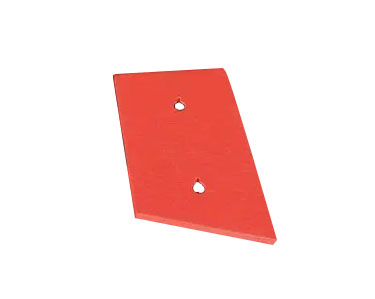
Identify Which Impact Crusher Parts Wear Fastest in Your Operation
Blow Bars and Their Material Grades
Blow bars are the highest-wear component in an impact crusher, absorbing direct impact from feed material on every crushing cycle. In heavy mining applications, blow bars are typically manufactured from high manganese steel, alloy steel, or high-chrome cast iron — each suited to a different balance of impact toughness and abrasion resistance. Knowing which grade performs best for your specific feed material is the starting point for extending service intervals and reducing unplanned downtime from failed wear plates and impact components.
Wear Plates Lining the Crushing Chamber
The wear plates protecting the interior walls of the crushing chamber take sustained abrasive loading throughout every production shift. These components are often overlooked in favour of more visible wear items, but degraded chamber wear plates allow material to contact the crusher housing directly — escalating repair scope significantly. Establishing a rotation and replacement schedule for chamber wear plates, based on actual measured thickness rather than calendar time, is one of the most effective ways to prevent minor wear from becoming a major shutdown.
Apron and Impact Bar Assemblies
Beyond blow bars and chamber liners, the apron assemblies and impact bars that control the crushing gap and redirect material through the machine also wear progressively. When these wear plates lose profile, crusher output gradation shifts and throughput drops — often before the parts are visually identified as worn. Monitoring output quality alongside physical inspections gives maintenance teams an earlier signal that impact crusher component wear is affecting production performance.
Build a Maintenance Strategy That Gets Ahead of Wear
Set Inspection Intervals Based on Actual Wear Rate
Generic maintenance schedules based on operating hours alone often miss the reality that wear rate varies considerably with feed material hardness, moisture content, and feed size distribution. Operations processing hard, abrasive rock will see wear plates and impact components reach replacement threshold far faster than softer material applications. Tracking actual measured wear against operating hours builds a data-based replacement interval specific to your crusher and your material — which is far more reliable than a one-size-fits-all schedule.
Rotate and Flip Wear Parts to Maximize Service Life
Many impact crusher wear plates and blow bar designs allow rotation or reversal when one face or end reaches its wear limit. A systematic rotation programme — documented and followed consistently — can extend the usable life of wear plates substantially before replacement is needed. This approach reduces total parts consumption and spreads replacement events more evenly across the maintenance calendar, reducing the frequency of full production stoppages for wear part changes.
Plan Parts Inventory Around Your Replacement Cycle
One of the most direct causes of extended downtime is not having replacement parts available when wear items reach their limit. Standard wear plates and impact crusher components can typically be sourced and delivered within a manageable timeframe. Custom profiles — particularly for older machines or non-standard configurations — may involve drawing confirmation, material selection, and production scheduling that extends the timeline considerably. Building a minimum stock of critical wear plates removes the supply chain from the critical path when a replacement event occurs.
Choose the Right Materials and Supplier to Minimise Future Downtime
Match Wear Plate Material to Your Crushing Conditions
Material selection for impact crusher wear plates is not a one-decision-fits-all choice. High manganese steel delivers excellent performance under high-impact conditions where the material can work-harden progressively in service. High-chrome alloy steel suits applications where fine, highly abrasive feed material is the dominant wear mechanism. Selecting the correct material grade for your specific conditions — rather than defaulting to the cheapest available option — is what determines actual service life in the field.
Evaluate Supplier Quality Control Capability
A wear plate that fails prematurely due to inconsistent hardness, incorrect alloy composition, or dimensional inaccuracy causes more downtime than the original worn part. When evaluating suppliers, look for demonstrated process control: material certifications, hardness testing, dimensional inspection records, and a production team that manages quality throughout the entire manufacturing process — not just at final inspection. For mining operations, supplier reliability is as important as part price.
Factor Lead Times Into Your Sourcing Strategy
Working with a supplier who is transparent about lead times — and who engages your engineering requirements early in the process — allows you to build a supply rhythm that keeps wear plates arriving before they are urgently needed. For custom wear plates or non-standard configurations, production timelines depend on drawing approval, alloy availability, and process complexity. The operations that manage impact crusher downtime most effectively treat parts sourcing as a planned activity, not a reactive one.
Conclusion
Reducing downtime from worn impact crusher parts is fundamentally about moving from reactive to proactive maintenance. Track actual wear rates, rotate and replace wear plates on a data-driven schedule, maintain a buffer stock of critical components, and choose materials and suppliers matched to your operating conditions. Each of these steps compounds — together, they translate directly into more production hours and lower total maintenance cost.
FAQ
Q1: What materials are impact crusher wear plates typically made from?
High manganese steel and high-chrome alloy steel are the most common choices. Material selection depends on whether impact loading or abrasive wear is the dominant mechanism in your application.
Q2: How do I know when wear plates need replacing?
Physical thickness measurement against a minimum wear limit is the most reliable method. Changes in product gradation or increased power draw can also signal that wear plates have degraded.
Q3: Can wear plates be customised to non-standard dimensions?
Yes. Experienced manufacturers can produce wear plates to custom drawings or reverse-engineered samples. Lead times for custom profiles depend on drawing confirmation and production scheduling.
Q4: How much does material grade affect wear plate service life?
Significantly. Choosing the wrong grade for your feed material can halve service life. The right material match — based on your specific rock type and crushing stage — is one of the highest-return decisions in crusher maintenance.
Q5: Is it worth stocking spare wear plates on-site?
For operations where crusher uptime is critical, maintaining a minimum buffer stock of key wear plates eliminates supply lead time from the downtime equation when replacement is needed.
Keep Your Crushers Running With Parts Built for Heavy Industry
At Xian Huan-Tai Technology and Development Co., Ltd., we have over 30 years of experience supplying customized mechanical parts to mining and engineering operations worldwide. Our technical team works directly from your specifications, and our production team manages quality at every stage — from raw material selection through to final inspection. Whether you need standard wear plates or fully custom crusher components, we deliver with the consistency and reliability your operation demands. Send your inquiry to inquiry@huan-tai.org — let’s keep your equipment running.
References
- Wills, B. A., & Finch, J. A. (2015). Wills’ Mineral Processing Technology: An Introduction to the Practical Aspects of Ore Treatment and Mineral Recovery (8th ed.). Elsevier.
- Bearman, R. A., & Briggs, C. A. (1998). The active use of crushers to control product requirements. Minerals Engineering, 11(9), 849–859.
- Mobley, R. K. (2002). An Introduction to Predictive Maintenance (2nd ed.). Butterworth-Heinemann.
- Aldrich, C. (2013). Consumption of steel grinding media in mills: A review. Minerals Engineering, 49, 77–91.
- Napier-Munn, T. J., Morrell, S., Morrison, R. D., & Kojovic, T. (1996). Mineral Comminution Circuits: Their Operation and Optimisation. JKMRC Monograph Series in Mining and Mineral Processing, University of Queensland.
