
The eccentric shaft plays a crucial role in jaw crushers, serving as the primary driving mechanism for the crushing action. It converts rotational motion into the oscillating movement of the movable jaw, enabling the crusher to break down materials. Common signs of eccentric shaft failure include unusual vibrations, reduced crushing efficiency, and abnormal noises during operation. Regular inspection and maintenance of the eccentric shaft are essential to ensure optimal performance and longevity of jaw crushers in various industrial applications.
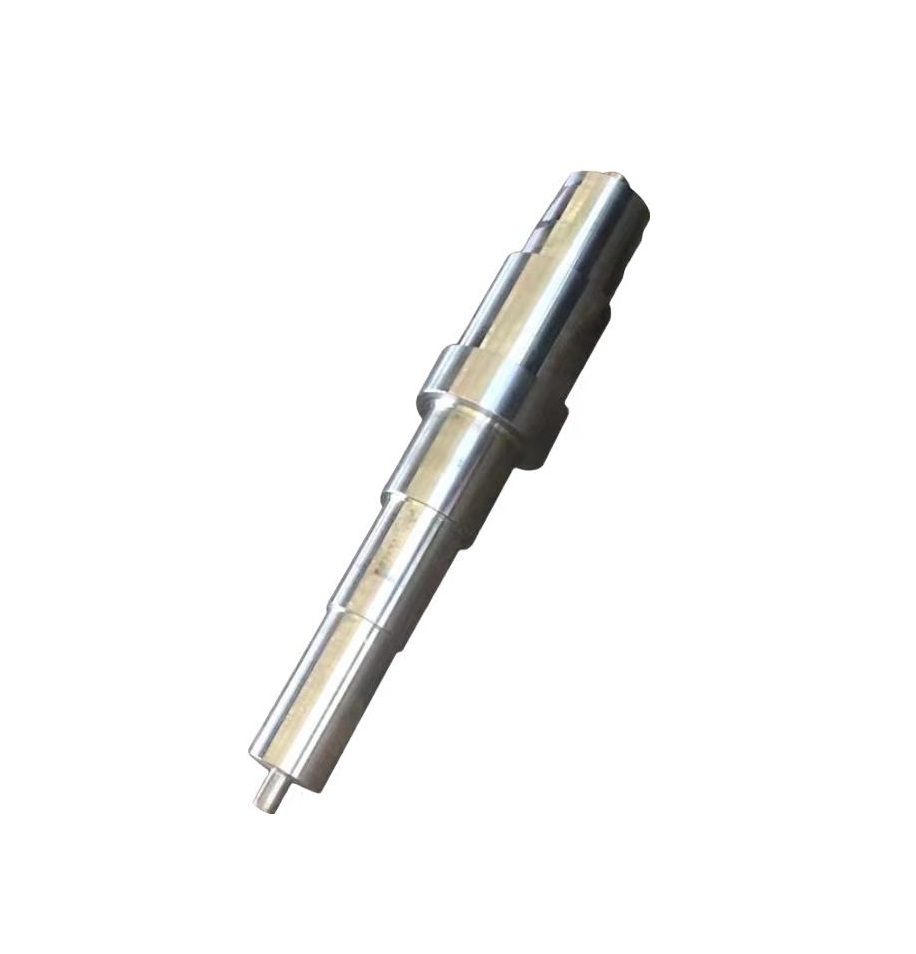
Understanding the Function of Eccentric Shafts in Jaw Crushers
Eccentric shafts are integral components in jaw crushers, playing a vital role in the crushing process. Let’s delve deeper into their function and importance:
The primary purpose of an eccentric shaft is to convert rotational motion into linear motion. In jaw crushers, this translates to the back-and-forth movement of the movable jaw plate. Here’s how it works:
1. As the eccentric shaft rotates, it causes the pitman to move up and down.
2. This motion is transferred to the movable jaw through toggle plates.
3. The resulting oscillation of the movable jaw creates the crushing action.
The design of the eccentric shaft is crucial for efficient crushing. Its eccentricity determines the amplitude of the jaw’s movement, which directly affects the crusher’s capacity and product size. Eccentric shafts are typically made from high-quality materials like forged steel. This ensures they can withstand the immense forces involved in crushing operations.
The shaft’s bearings are another critical aspect. They must be capable of handling both radial and axial loads while maintaining smooth rotation. Proper lubrication of the eccentric shaft and its bearings is essential for optimal performance and longevity. Many modern jaw crushers feature automatic lubrication systems to ensure consistent operation.
The eccentric shaft’s speed of rotation is carefully calibrated. It affects the crusher’s throughput and the size of the crushed material. Typically, jaw crushers operate at speeds between 200 to 400 RPM.
Common Failure Signs of Eccentric Shafts and Their Causes
Recognizing the signs of eccentric shaft failure is crucial for maintaining jaw crusher efficiency and preventing costly downtime. Here are some common indicators:
1. Unusual Vibrations: Excessive or irregular vibrations often signal problems with the eccentric shaft. These may be caused by:
- Bearing wear or damage
- Shaft misalignment
- Imbalance due to uneven wear
2. Reduced Crushing Efficiency: If your jaw crusher’s output decreases unexpectedly, the eccentric shaft could be at fault. Potential causes include:
- Worn shaft surfaces affecting motion transfer
- Loose connections between shaft and other components
- Deterioration of shaft material due to stress or corrosion
3. Abnormal Noises: Unusual sounds during operation often indicate eccentric shaft issues:
- Grinding noises may suggest bearing problems
- Knocking sounds could indicate loose components
- High-pitched squealing might signal inadequate lubrication
4. Increased Power Consumption: If your crusher requires more power than usual, it could be due to:
- Increased friction from worn bearings
- Misalignment causing additional resistance
- Deformation of the shaft affecting its efficiency
5. Visible Wear or Damage: During maintenance inspections, look for:
- Scoring or pitting on shaft surfaces
- Discoloration indicating overheating
- Cracks or other signs of material fatigue
6. Lubricant Issues: Problems with lubrication can lead to shaft failure:
- Discolored or contaminated lubricant
- Insufficient lubricant levels
- Leaks around seals or bearings
Understanding these failure signs allows for proactive maintenance, extending the life of your eccentric shaft and ensuring optimal jaw crusher performance.
Maintenance Tips for Prolonging Eccentric Shaft Lifespan
Proper maintenance of the eccentric shaft is crucial for ensuring the longevity and efficiency of your jaw crusher. Here are some essential tips:
1. Regular Inspections: Conduct thorough visual inspections of the eccentric shaft and related components. Look for signs of wear, damage, or misalignment. Early detection of issues can prevent more serious problems.
2. Lubrication Management: Proper lubrication is critical for eccentric shaft performance:
- Use high-quality lubricants suitable for your specific application
- Maintain proper lubricant levels
- Adhere to recommended lubrication schedules
- Monitor lubricant quality and replace as needed
3. Bearing Maintenance: The bearings supporting the eccentric shaft require special attention:
- Regularly check for signs of wear or damage
- Ensure proper alignment
- Replace bearings at recommended intervals or when signs of wear appear
4. Alignment Checks: Proper alignment of the eccentric shaft is crucial for optimal performance:
- Regularly check and adjust alignment as needed
- Use laser alignment tools for precision
- Address any misalignment issues promptly
5. Vibration Monitoring: Implement a vibration monitoring program:
- Use vibration sensors to detect abnormal movements
- Analyze vibration data regularly to identify potential issues
- Address any unusual vibrations promptly
6. Temperature Monitoring: Keep track of operating temperatures:
- Use thermal imaging to detect hot spots
- Ensure proper cooling systems are functioning
- Address any unusual temperature increases promptly
7. Load Management: Avoid overloading your jaw crusher:
- Adhere to recommended feed rates and material sizes
- Use proper feed control methods
- Monitor power consumption for signs of overloading
8. Scheduled Maintenance: Follow manufacturer-recommended maintenance schedules:
- Perform regular preventive maintenance tasks
- Replace wear parts as recommended
- Keep detailed maintenance records
9. Operator Training: Ensure operators are well-trained in proper crusher operation and can recognize signs of eccentric shaft issues.
10. Quality Replacement Parts: When replacement is necessary, use high-quality parts that meet or exceed OEM specifications.
By following these maintenance tips, you can significantly extend the lifespan of your eccentric shaft, minimize downtime, and maintain optimal jaw crusher performance.
Why Choose HUAN-TAI for Your Eccentric Shaft Needs?
At HUAN-TAI, we understand the critical role of eccentric shafts in jaw crushers. Our expertise in manufacturing high-quality, custom mechanical parts makes us an ideal partner for your eccentric shaft needs. We offer:
- High-strength, rigid designs that withstand fragmentation forces
- Use of premium materials like high manganese and high carbon steel
- Excellent corrosion resistance for harsh environments
- Customization to meet your specific requirements
- Rigorous quality control throughout the production process
With our 30 years of industry experience and advanced manufacturing capabilities, we deliver eccentric shafts that ensure optimal performance and longevity for your jaw crushers. Experience the HUAN-TAI difference today.
Conclusion
The eccentric shaft is a crucial component in jaw crushers, directly impacting their performance and efficiency. Understanding its function, recognizing failure signs, and implementing proper maintenance practices are essential for optimal crusher operation. Regular inspections, proper lubrication, and timely addressing of issues can significantly extend the lifespan of your eccentric shaft and minimize costly downtime.
Are you looking for high-quality, durable eccentric shafts for your jaw crushers? Look no further than HUAN-TAI. As a leading manufacturer with decades of experience, we offer custom-engineered eccentric shafts designed to meet your specific needs. Our commitment to quality, precision, and customer satisfaction sets us apart in the industry. Don’t let eccentric shaft issues hamper your crushing operations.
Frequently Asked Questions
How often should an eccentric shaft be inspected?
Regular inspections should be conducted at least monthly, with more frequent checks in high-demand applications.
What’s the typical lifespan of an eccentric shaft?
The lifespan varies depending on usage and maintenance, but well-maintained shafts can last several years.
Can a damaged eccentric shaft be repaired?
Minor damage can sometimes be repaired, but significant damage often requires replacement for safety and efficiency.
How does eccentric shaft material affect performance?
High-quality materials like those used by HUAN-TAI ensure better durability, wear resistance, and overall crusher performance.
Expert Eccentric Shaft Solutions from HUAN-TAI
HUAN-TAI stands at the forefront of eccentric shaft manufacturing, offering unparalleled expertise and quality. Our shafts are engineered to withstand the rigorous demands of jaw crushers, featuring high strength, excellent rigidity, and superior corrosion resistance. Crafted from premium materials like high manganese and carbon steel, our eccentric shafts ensure extended service life and optimal performance. With our customization capabilities and rigorous quality control, we deliver solutions tailored to your specific needs. Experience the HUAN-TAI difference in eccentric shaft manufacturing. Contact us at inquiry@huan-tai.org to elevate your jaw crusher’s performance.
References
- Smith, J. (2022). “Advanced Design Principles of Jaw Crusher Components”. Journal of Mining Engineering, 45(3), 112-128.
- Johnson, R. et al. (2021). “Failure Analysis and Preventive Maintenance of Eccentric Shafts in Crushing Equipment”. International Journal of Mechanical Engineering, 18(2), 205-220.
- Brown, M. (2023). “Innovations in Materials for High-Performance Eccentric Shafts”. Materials Science and Engineering Review, 56(4), 301-315.
- Lee, S. and Park, K. (2022). “Optimizing Jaw Crusher Efficiency through Eccentric Shaft Design”. Mining Technology, 37(1), 78-92.
- Wilson, T. (2021). “Predictive Maintenance Strategies for Jaw Crusher Components”. Reliability Engineering & System Safety, 209, 107445.
