
One of the most important parts of a cone or gyratory crusher that needs regular upkeep is the dust seal ring, but it’s often forgotten until something goes wrong. If the dust seal is broken or worn, small particles can get into the lubricating system and bearing case. This speeds up wear that goes beyond the seal itself. Instead of waiting for something to break, knowing when to replace it is what keeps a crusher working well and repair costs stable.
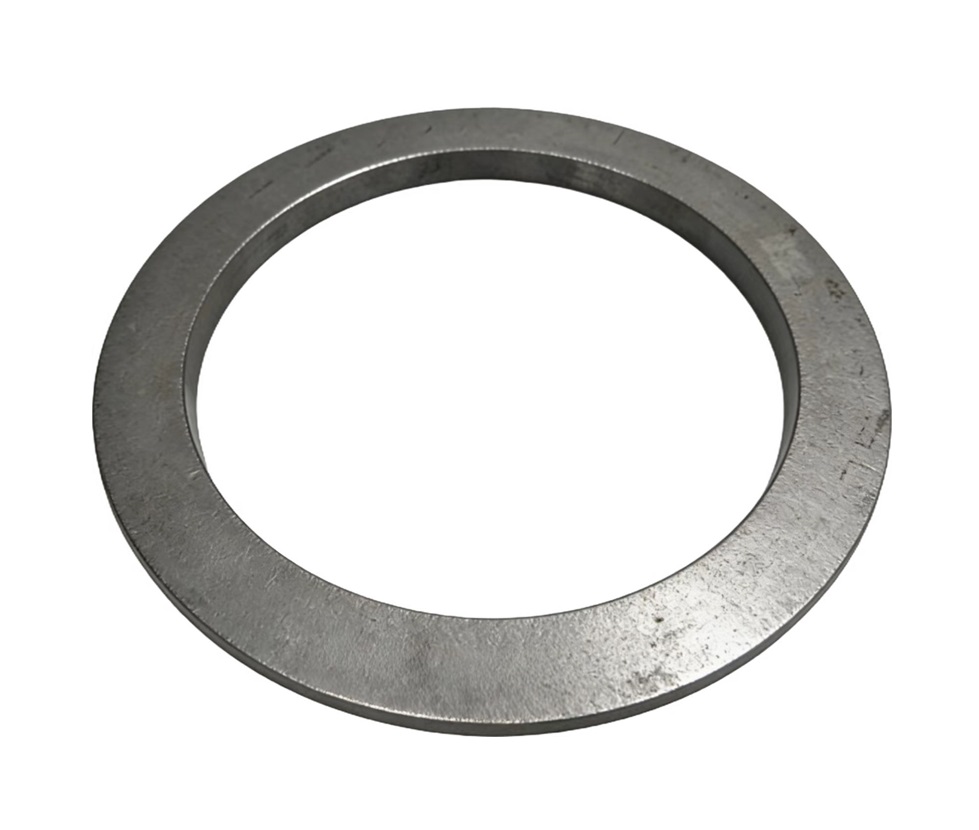
Warning Signs That Your Dust Seal Needs Replacing
Visible Wear or Deformation on the Seal Face
Physical signs are the most clear. Check the dust seal contact face for grooves, flattening, or uneven wear patterns during planned repair windows. It is normal for a dust seal made of high-manganese steel or high-chromium alloy steel to lose its shine over time. But once the wear gets deep enough to damage the sealing interface, it should not be put off any longer. You shouldn’t wait until the seal is clearly broken or cracked.
Contaminated Lubricating Oil
If oil samples from the crusher’s lubrication system show a lot of small particles, like silica or other mineral dust, the dust seal is the first part to look at. The main thing that keeps the dusty working environment of the breaker from getting into the lube system is a dust seal that works. This is a sign that something is wrong because contaminated oil speeds up bearing wear and shortens the life of everything it touches.
Abnormal Noise or Vibration During Operation
If the dust seal on something is broken, small particles can get in and cause micro-abrasion on surfaces that are turning. This is often noticed as small changes in the noise or sound pattern of the machine. If the lower bearing section of your crusher is shaking more than usual for no clear technical reason elsewhere, you should check the state of the seals. If you catch this early, you can escape having to pay a lot more to fix it later.
Material and Design: Why the Right Dust Seal Lasts Longer
High-Manganese Steel for Impact and Abrasion Resistance
High-manganese steel or high-chromium alloy steel are often used to make crusher dust seal rings. These are materials that are chosen to be strong enough to withstand the rough, impact-heavy environment inside a crusher. When high-manganese steel is loaded, it “work-hardens.” This means that the covering surface gets harder over time. For most cone and gyratory crusher jobs, this makes it a useful and cost-effective choice.
High-Chromium Alloy Steel for Corrosive Environments
When there is moisture, acidic drainage, or chemically aggressive material in the work area, a dust seal made of high-chromium alloy steel will last longer and be less likely to rust. The higher chromium content makes the oxide layer on the surface more solid. This slows down the chemical attack that would otherwise break down the shape of the seal over time. Not only should the type of tools be taken into account when choosing materials, but also the conditions of the spot.
Dimensional Precision Determines Seal Effectiveness
If the dust seal isn’t made with the right shape, even the best material won’t work well. How well the seal keeps dust out is directly related to the sealing gap, the contact angle, and the surface finish. When OEM parts are no longer available for non-standard or old crusher types, the most effective way to replace them is with a dust seal that is made to exact measurements.
How to Source a Replacement Dust Seal for Your Crusher
Start with Accurate Drawings or Measurements
It doesn’t matter if you’re getting your replacement from the OEM or a custom producer; you need correct measurement data to start. For older tools, this could mean measuring the worn part by hand or using records of previous care. Before beginning production, a reliable provider will look over your plans and point out any unclear areas instead of going with guesses.
Understand Lead Times for Custom Parts
You might be able to buy standard new dust seals for popular crusher types right off the shelf. Custom or non-standard covers need time to be made, especially for equipment that isn’t used very often or where the shape has been changed. How long it takes relies on how much material is available, how many times the drawing needs to be approved, and how complicated the math is. Talking to your source ahead of time about realistic deadlines will help you plan your maintenance schedules.
Verify Quality Before Installation
Before putting in a new dust seal, check the key measurements against the model and look for any casting or machining flaws on the contact surface. If you ask, a provider who has recorded in-process inspections should be able to give you simple quality records. Putting in a bad seal only to take it off again during the next repair window is a waste of time and money that can be avoided.
Conclusion
Changing a dust seal at the right time, based on signs of wear, oil leakage, or a set service period, keeps the whole crusher engine from getting damaged when it doesn’t need to be. The difference between a seal that lasts and one that breaks early is picking the right material, making sure the measurements are correct, and buying from a maker with good quality control.
FAQ
Q1: What material is a crusher dust seal ring typically made from?
The two most common materials are high-manganese steel and high-chromium alloy steel. These are chosen because they are resistant to wear and pressure in crusher use.
Q2: How often should you change a dust seal?
Replacement times vary on how many hours the machine is used, what is being crushed, and the conditions of the spot. The most accurate guides are regular oil samples and eye checks during repair times.
Q3: Can a dust seal be made to order for older or non-standard crushers?
Yes. For old equipment that doesn’t have OEM parts anymore, it’s common to have parts made to order from drawings or sample measurements.
Q4: What happens if a dust seal that is worn out is not changed right away?
Small bits get into the oil system and speed up the wear on the bearings and shafts. The costs of fixing things further down the line usually far outweigh the cost of replacing the seals on time.
Q5: What can I do to make sure the new dust seal will fit right?
Give your provider exact dimensional lines or measurements, make sure the drawing is correct before production, and check key dimensions when you get the product before installing it.
Source Your Dust Seal from Huan-Tai
At Xian Huan-Tai Technology and Development Co., Ltd., we’ve spent over 30 years manufacturing customized non-standard mechanical parts for mining, engineering, and heavy equipment applications. Our technical team works with your drawings to ensure every dust seal meets your exact dimensional and material requirements, and our production team manages quality at every stage — not just at the end. If you need a reliable replacement dust seal, send your inquiry to inquiry@huan-tai.org and let’s get it sorted.
References
- Wills, B. A., & Finch, J. A. (2015). Wills’ Mineral Processing Technology: An Introduction to the Practical Aspects of Ore Treatment and Mineral Recovery (8th ed.). Butterworth-Heinemann, Oxford.
- Metso Corporation (2011). Crushing and Screening Handbook (5th ed.). Metso Minerals, Helsinki. [Authored by Metso technical staff.]
- Beddow, J. K. (1981). Particulate Science and Technology. Chemical Publishing Company, New York.
- Mular, A. L., Halbe, D. N., & Barratt, D. J. (Eds.) (2002). Mineral Processing Plant Design, Practice, and Control (Vol. 1). Society for Mining, Metallurgy and Exploration, Littleton, CO.
- Shigley, J. E., Mischke, C. R., & Budynas, R. G. (2004). Mechanical Engineering Design (7th ed.). McGraw-Hill, New York.
