
When it comes to heavy-duty cars that are used in mining, building, and engineering, the front bumper is not just for looks. One of the most important things that determines how well a front bumper works in real life is how thick the material is. When you buy steel that is the right thickness, it takes impact energy better, doesn’t bend easily from debris and accidents, and lasts longer. This means that the choice of steel thickness affects both safety and running costs.
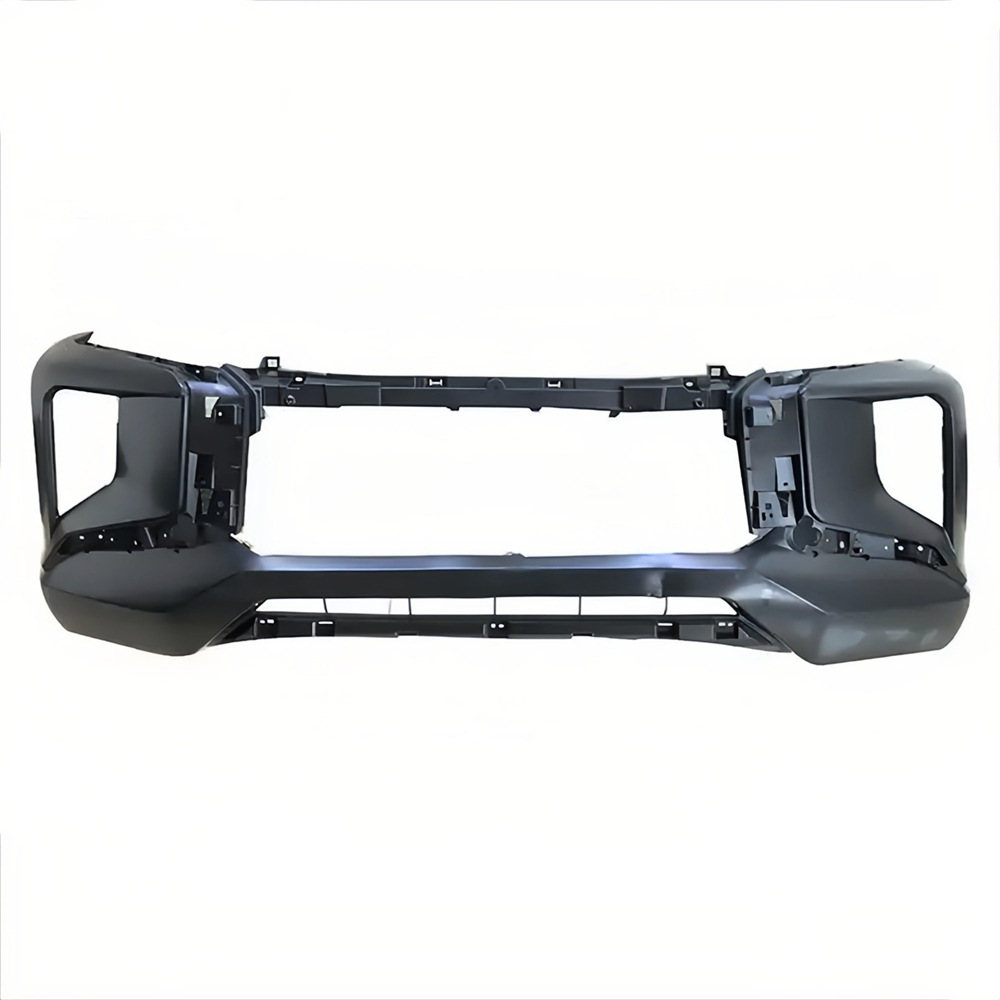
How Material Thickness Determines Front Bumper Strength
The Role of Steel Grade in Load-Bearing Capacity
The type of steel used in a front bumper is tied to how thick it is. Engineers can get the load-bearing capacity they need from high-strength steel at a given width. With lower-grade carbon steel, they might need to add more material to get the same level of performance. For big machinery that works in harsh places like quarries, open-pit mines, and building sites, the front bumper needs to be able to handle repeated, heavy loads without cracking from wear and tear.
Thickness Tolerances and Structural Integrity
Even small changes in wall thickness during production can weaken the structure of a front bumper over time. Professional makers use precise cutting, making, and welding to make sure that thickness standards are closely controlled throughout the entire production process. This makes sure that every unit is the same. For unique, non-standard front bumper designs, where there is no off-the-shelf model to check the end product against, this level of quality control is especially important.
Impact Energy Absorption and Deformation Resistance
Impact loads are spread out over a bigger cross-sectional area by thicker parts. This lowers the amount of peak stress that can cause lasting distortion. Better performance per kilogram of material can be achieved with a front bumper that is built with optimum thickness zoning—heavier in high-impact areas and lighter where it’s needed elsewhere. This kind of engineering-driven design is what makes industrial bumpers unique and not just common copies.
Matching Material Thickness to Operating Environment
Mining and Quarrying Applications
In mines, the front bumper has to deal with flying rocks, hits from uneven ground, and the constant shaking of big equipment. In these situations, the steel thickness usually needs to be able to handle both dynamic impact loads and wear from small particles. Alloy steel or high-strength low-alloy (HSLA) steel is often used here because it is tough and doesn’t wear down easily. This makes sure that the front bumper keeps protecting the car even after many shifts.
Construction and Engineering Machinery
There are a lot of different situations on construction sites, and the front bumper is often the first part of the machine that hits something like a hill or another piece of machinery. With the right weld joint design and moderate to heavy plate thicknesses, these bumpers can handle both slow-speed pushing loads and random hits without needing to be replaced often. One big benefit of buying from a professional maker is that they can change the thickness and shape to fit a certain machine model.
Replacement Parts and Repair Scenarios
When a front bumper gets broken in use and needs to be replaced, it is very important that the new bumper is the same thickness as the old one. Not specifying enough wall thickness to save money can cause the structure to fail early, and stating too much thickness adds weight that isn’t needed. Repair shops and owners of heavy equipment that need to find new front bumper parts will benefit greatly from working with a provider who has a lot of technical knowledge and can work backwards from sketches or samples to make exact copies of the materials.
Manufacturing Process and Quality Control for Reliable Thickness
Material Certification and Incoming Inspection
Assuring the quality of the front bumper starts before it is cut or shaped. All arriving steel should come with mill certificates that say the grade and width of the material match the specifications for the buy. When precise measuring tools are used for incoming inspection, out-of-tolerance plate is caught before it gets into the production flow. This stops non-conformances from spreading further downstream, where they are much more expensive to fix.
Fabrication Process Control
Controlling the process carefully while cutting, bending, and welding is needed to make sure that the finished front bumper is the same thickness all the way through. Welding can cause heat effects that can thin heat-affected zones if the parameters are not controlled carefully. Production teams with a lot of experience keep an eye on the temperatures between passes and use the right fixtures to keep distortion in check. This makes sure that the finished assembly meets all the requirements for size and that there is no localized thinning in areas that are important for the structure.
Final Inspection and Dimensional Verification
Before a front bumper leaves the shop, its measurements are checked against an engineering plan to make sure they meet the agreed upon standards for section widths, total dimensions, and weld quality. Ultrasonic thickness measurement is one example of a non-destructive test that can be used to check wall thickness in places that are hard to see. Before the part gets to the customer, this last checking step is the last line of defense.
Conclusion
Material width is one of the most important factors in designing a front bumper because it determines how strong it is, how well it absorbs impact, and how long it will last in harsh environments like mining and engineering. Choosing the right width, along with the right steel type and careful making, will make sure that the front bumper protects you consistently over time. The most reliable way to get that result is to work with an experienced maker who keeps an eye on quality from the raw materials to the final review.
FAQ
Q1: What thickness of steel is most often used for heavy-duty truck front guards in mining?
Heavy-duty front bumpers for mine trucks are usually made from steel plates that are 8 mm thick to 20 mm thick or more, based on the load case and how hard the impact is. The exact width is set by engineers who look at how the material will be used.
Q2: Is it possible to have a front bumper made just for my truck?
Yes. Professional makers can make front bumper parts that are unique to each customer based on their plans, samples, or technical requirements. Lead times depend on how complicated the drawing is, how readily available the materials are, and whether or not there needs to be a round of standard approval.
Q3: Is stronger steel always better for the front bumper?
Not all the time. Over-specifying width adds weight that isn’t necessary for the job. To meet performance needs economically, the best design strikes a mix between thickness, steel grade, and shape. When the design is being made, engineering feedback is very important.
Q4: What types of steel are most often used to make front bumpers?
Low-alloy high-strength steel (Q345), alloy steel, and wear-resistant steel types are all common choices. The choice relies on the working conditions—conditions with a lot of friction may require harder materials, while conditions with a lot of impact would benefit from tougher grades.
Q5: How does the strength of the weld affect how long the front bumper lasts?
Quality of the weld is just as important as width of the base material. When welds aren’t done right, stress builds up and can cause cracks when the load is changed over and over. For a front bumper to work successfully for its whole life, it needs full-penetration welds in high-stress parts and the right kind of post-weld checking.
Work With a Manufacturer You Can Trust
We at Xian Huan-Tai Technology and Development Co., Ltd. have been making special, non-standard mechanical parts, like front bumper kits, for machinery and equipment companies around the world for more than 30 years. Our professional production and expert teams make sure quality at every step of the way, from checking the raw materials to making sure the end measurements are correct. We can help you whether you have a picture, a sample, or just a list of requirements. Email us at inquiry@huan-tai.org to talk about what you need.
References
- Brockenbrough, R. L., & Merritt, F. S. (2011). Structural Steel Designer’s Handbook (5th ed.). McGraw-Hill.
- Dieter, G. E., & Schmidt, L. C. (2009). Engineering Design (4th ed.). McGraw-Hill Higher Education.
- Ashby, M. F. (2011). Materials Selection in Mechanical Design (4th ed.). Butterworth-Heinemann.
- Weman, K. (2012). Welding Processes Handbook (2nd ed.). Woodhead Publishing.
- Lancaster, J. F. (1999). Metallurgy of Welding (6th ed.). Abington Publishing.
