
Stainless steel square nuts represent an exceptional solution for wet and corrosive environments where standard fasteners fail. These four-sided internally threaded fasteners deliver superior grip strength and moisture resistance compared to conventional hex nuts. Their unique geometry provides increased surface contact area, creating enhanced holding power that prevents loosening in challenging marine, chemical processing, and outdoor industrial applications. The corrosion-resistant properties of stainless steel grades 304 and 316 make these square nuts ideal for environments exposed to constant moisture, saltwater, and harsh weather conditions.
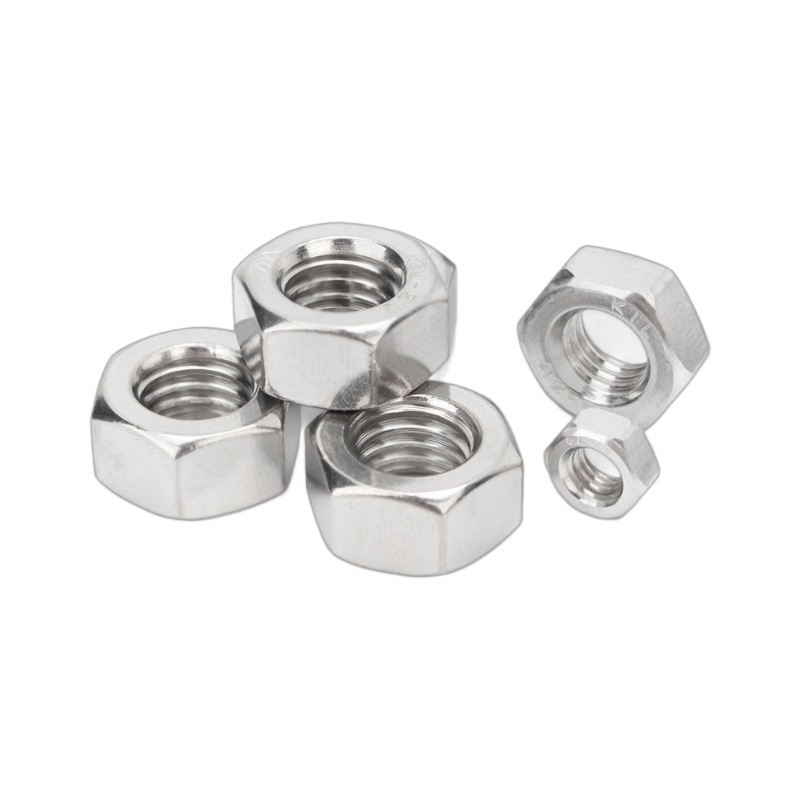
Introducing Stainless Steel Square Nuts in Wet Environments
Core Properties and Material Grades
304 and 316 stainless steel are the two main types used to make square nuts out of stainless steel. Grade 304 is very resistant to rust in general and can be used in most wet indoor situations as well as light outdoor conditions. Grade 316 has molybdenum in it, which makes it more resistant to chlorides and saltwater. This makes it the best choice for chemical processing plants and marine uses. It is made possible for these nuts to work with normal bolts because they have precise threading that keeps tolerances tight enough to keep water out.
Benefits in Moisture-Exposed Applications
When it comes to wet situations, these special screws are much better than other materials. When they are wet for a long time, zinc-coated or brass nuts can experience galvanic rust or dezincification, which makes them last much less long. Because stainless steel is so strong mechanically, fastenings stay strong even after many wet-dry cycles that would weaken other materials. Their usefulness in many different fields is shown by real-life examples. These nuts are used in wastewater treatment plants to connect pump systems and valves that stay underwater for months at a time.
Key Factors in Selecting Stainless Steel Square Nuts for Wet Environments
Material Grade Considerations
Because it contains molybdenum, Grade 316 stainless steel is the best choice for places where rust is common. This is because it is very resistant to pitting and cavity corrosion. In salty settings, chemical processes, and places with a lot of chloride contact, this type works really well. Grade 304 is still good for general wet situations, indoor pools, and food processing equipment where cost is important but efficiency is also important. When used with the right screws or gaskets, the fine threading on high-quality stainless steel nuts makes sure that they close properly. The fastener’s ability to make watertight connections is directly affected by its thread pitch and shape.
Sizing Standards and Compatibility
For global buying teams that are in charge of handling a wide range of tools, following standard size charts becomes very important. To make sure that bolts fit and work properly, metric and standard size systems must match up with current bolt requirements. The dimensions of square nuts are set by the DIN 557 and DIN 562 standards. The edges of DIN 557 nuts are chamfered to make fitting easier in hidden situations. Best methods for installation have a big effect on how well it works in wet places.
Comparing Stainless Steel Square Nuts with Other Fasteners for Wet Environments
Understanding the comparative advantages of different fastener types helps procurement professionals make informed decisions based on application requirements and budget constraints. Stainless steel square nuts offer distinct benefits over alternative solutions in specific wet environment scenarios.
Advantages Over Hex Nuts
Because square nuts have four sides, they have about 30% more surface contact area than hex nuts of the same size. This bigger touch area means a stronger grip that is less likely to come loose when there is shaking or temperature changing, which can happen in wet industrial settings. The square shape also makes it easy to hold with simple tools when standard screws are not available. In equipment setups with a lot of people, saving space is another big plus. Hex nuts need bigger gaps to fit into rectangular channels or holes, but square nuts don’t.
Cost and Performance Analysis
When you look at stainless steel against brass or zinc-coated options, the higher price at first usually levels out against the higher costs of repair and upkeep over time. Some types of water can dezincify brass nuts, which can cause them to break mechanically. However, brass nuts are generally resistant to rust. Zinc-coated nuts protect temporarily, but they need to be replaced as the coating wears off, which means they cost money to maintain over time. Even though they cost more at first, stainless steel square nuts usually have a lower total cost of ownership because they last longer in wet settings.
Procurement Guide: Sourcing Quality Stainless Steel Square Nuts for Wet Environments
Supplier Selection Criteria
Quality assurance skills are one of the most important things to look for in possible sources. Material certificates from manufacturers should prove the grade and chemical make-up of stainless steel. If a company has ISO 9001 certification, it means they have set up quality control systems that make sure the same high standards are met for all delivery batches. Having the ability to customize something is useful for specific uses that need different sizes or thread specs.
Quality Standards and Certifications
Documentation for material tracking makes sure that the nuts provided are made of the right type of stainless steel and have the right mechanical properties. Test records that prove a product’s tensile strength, hardness, and resistance to rust give users faith in its performance in important situations. Suppliers should keep records of each batch so that quality can be tracked all the way through the supply chain. Some things to think about when buying in bulk are managing wait times and making the best use of your goods.
Future Trends and Innovations for Stainless Steel Square Nuts in Wet Environments
Technological Advancements
New passivation processes and surface finishing methods make stainless steel Square Nuts naturally less likely to rust. These steps make oxide layers that are more regular and can better fight localized rust in difficult water chemicals. Modern production methods make threads and surfaces more precise and smooth, which lowers the need for upkeep and increases the time between service intervals. Throughout the production process, smart manufacturing integration is making it easier to keep an eye on quality and track where things come from. Automated checking systems make sure that the dimensions are correct and that the surface finish is always the same.
Market Trends and Sustainability
As environmental laws get stricter, people want fasteners that last longer and don’t need to be replaced as often, which creates more waste. Stainless steel square nuts are environmentally friendly because they last longer and can be recycled completely when they’re no longer useful. These things help lower the total cost of ownership while still meeting environmental responsibility goals for businesses. As industrial equipment gets more complicated and is used in wet places, it needs specialized fastener solutions that regular goods can’t meet.
Conclusion
Stainless steel square nuts deliver exceptional performance in wet environments through superior material properties and optimized design characteristics. Their corrosion resistance, enhanced grip strength, and long service life make them the preferred choice for marine, chemical processing, and outdoor industrial applications. Proper selection based on material grade, environmental conditions, and application requirements ensures optimal performance and cost-effectiveness. The investment in quality stainless steel fasteners pays dividends through reduced maintenance costs and improved equipment reliability in challenging wet conditions.
FAQ
What makes stainless steel square nuts superior to regular steel in wet conditions?
Stainless steel contains chromium that forms a protective oxide layer, preventing rust and corrosion that quickly destroys regular steel fasteners when exposed to moisture. This natural protection maintains fastener strength and appearance throughout extended wet exposure.
How do I choose between 304 and 316 stainless steel grades?
Grade 304 works well for general wet conditions and indoor applications, while grade 316 with molybdenum content provides superior resistance to saltwater and chloride environments. Marine applications and chemical processing typically require grade 316 for optimal performance.
Can stainless steel square nuts be used with different bolt materials?
Yes, but galvanic corrosion can occur when dissimilar metals contact each other in wet conditions. Using stainless steel bolts with stainless steel nuts provides the best corrosion resistance. When mixing materials, isolation washers or coatings help prevent galvanic reactions.
What installation practices ensure maximum performance in wet environments?
Proper torque specifications prevent over-tightening that damages threads or under-tightening that allows water penetration. Using appropriate washers or gaskets creates effective seals, while regular inspection schedules help identify potential issues before they cause failures.
Partner with HUAN-TAI for Premium Stainless Steel Square Nuts Solutions
HUAN-TAI brings three decades of manufacturing expertise to every custom fastener project, ensuring your wet environment applications receive precisely engineered solutions. Our advanced quality control systems and ISO 9001 certification guarantee that each stainless steel square nut meets exacting standards for corrosion resistance and mechanical performance. We specialize in custom threading, specialized grades, and application-specific modifications that standard suppliers cannot provide. Contact our engineering team at inquiry@huan-tai.org to discuss your wet environment fastener requirements and receive detailed technical specifications tailored to your specific applications.
References
1. American Society for Testing and Materials. “Standard Specification for Stainless Steel Bolts, Hex Cap Screws, and Studs.” ASTM International, 2019.
2. International Organization for Standardization. “Fasteners – Square Nuts – Product Grades A and B.” ISO 4034:2013.
3. Marine Engineering Research Institute. “Corrosion Performance of Stainless Steel Fasteners in Marine Environments.” Journal of Marine Technology, 2020.
4. Deutsches Institut für Normung. “Square Nuts with Chamfer – Product Grade A.” DIN 557:2019.
5. National Association of Corrosion Engineers. “Materials Selection for Wet Environment Fastening Applications.” NACE International, 2021.
6. European Committee for Standardization. “Stainless Steel Fasteners – Corrosion Properties and Test Methods.” EN 3506-1:2020.
