
To get the most out of heavy-duty breaking tools, you need to know a lot about its main parts. This detailed rotor design guide is all about making impact crushers more efficient at crushing by using precise engineering. By looking at the kinetic energy and structural integrity of heavy-duty rotors, mining and machinery makers can greatly increase throughput, cut down on downtime, and get longer-lasting wear in tough conditions.
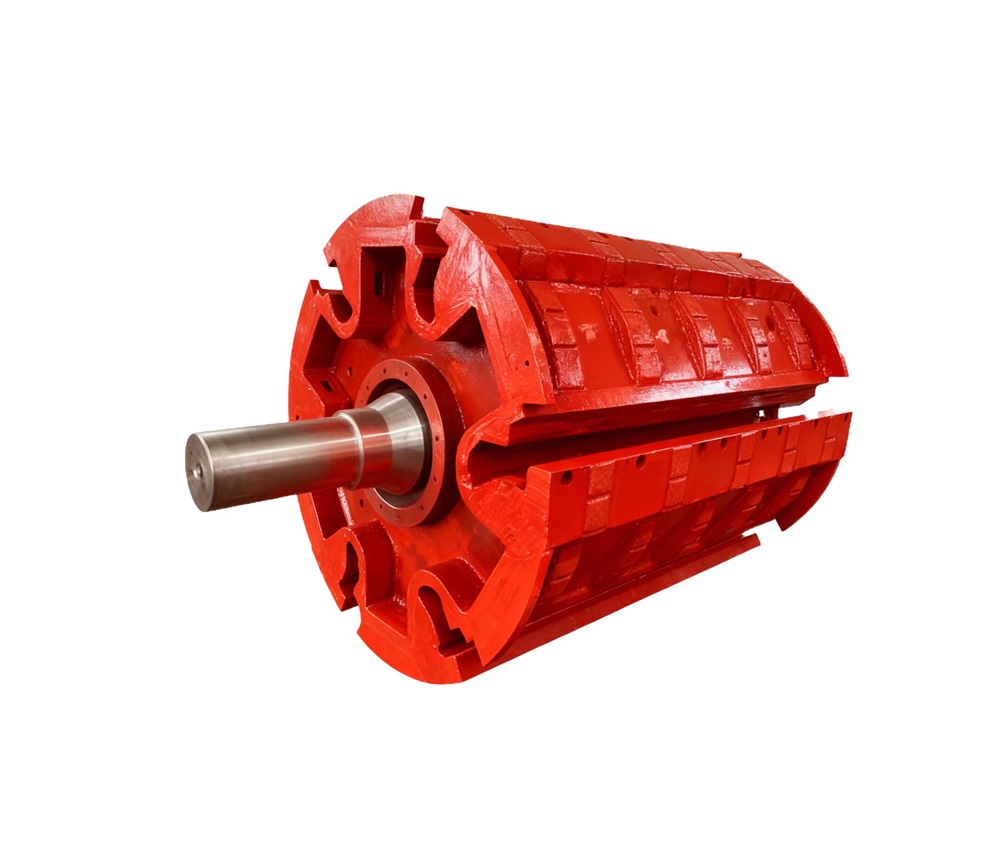
Material Selection and Casting Excellence for Heavy-Duty Rotors
Optimized Metallurgical Composites for High Wear Resistance
Choosing the right materials that don’t wear down quickly is very important for the long life of industrial impact rotors. Custom casting processes let manufacturers pick from high-manganese steel, alloy steel, high-chromium cast iron, or new composite materials. This variety of metals makes sure that the part can handle rough materials that are fed into it, which directly stops early wear and increases breaking efficiency in very heavy-duty mining activities.
Advanced Casting Methods for Precise Dimensional Control
For solid performance, manufacturing must be done with the highest level of physical correctness. Engineers can make sure that the dimensions of impact rotors are very close by using precise casting methods like the lost-wax process, resin sand moulding, or the V-method. This careful way of making things gets rid of balance mistakes, which means the machine runs more smoothly, has less mechanical vibration, and fits right into existing grinding systems.
Enhanced Impact Resistance under Extreme Working Loads
When industries crush things, they put important parts under a lot of stress and shock all the time. Premium cast rotors are very good at resisting quick breaks and strong impact forces, which makes them ideal for places of work with a lot of load and power. This structural strength keeps the machine running continuously, stopping catastrophic component failures even when handling the hardest mineral materials or heavy mining ores.
Geometric Configuration and Kinetic Balancing of Rotors
Mass Distribution and Inertial Energy Optimization
Maximizing the crushing force of impact crushers depends on the optimal kinetic energy of their rotating assemblies. Engineering rotors with calculated mass distribution ensures they maintain high inertia during operation, reducing power consumption while increasing crushing ratios. Correctly balanced weight distribution allows the machine to crush hard materials effortlessly, optimizing overall processing speed and energy consumption.
Precision Balancing to Prevent Bearing Wear
Dynamic balancing is essential for ensuring that heavy-duty rotors rotate smoothly without causing collateral damage to neighboring components. Unbalanced forces generate excessive heat and vibration, which accelerates bearing degradation. Precision balancing during manufacturing keeps the assembly perfectly aligned, extending the service life of both the shaft and the bearings under high-speed operation.
Secure Blow Bar Fixing Mechanisms
The interface where wear parts meet the rotating body is highly critical for operation safety. Properly designed rotors incorporate robust slot configurations to lock blow bar components securely in place. Using high-manganese steel or high-chromium cast iron for these blow bars ensures they resist high centrifugal forces, maintaining stability and continuous crushing action without shifting during high-speed impacts.
Mechanical Integration and Wear Component Optimization
Forged Main Shaft Engineering for Structural Support
Behind every high-performing rotating assembly lies a robust center of rotation. While many components are cast, high-efficiency crusher rotors require a forged main shaft rather than a cast one to handle extreme torsional stress. This forging process ensures superior grain structure, providing the necessary strength to support the heavy rotating assembly during continuous, high-impact industrial applications.
High-Performance Toggle and Protection Parts
Safeguarding the internal structure of the crusher requires carefully engineered sacrificial and protective parts. Unlike carbon steel options, high-manganese steel is the ideal material for high-strength toggle plates operating alongside the main rotors. Additionally, integrating dust rings made of high-manganese steel or high-chromium alloy steel prevents abrasive fine particles from entering and damaging the vital bearing housings.
High-Tensile Springs and Rackbar Integration
Sustaining optimal tension and impact absorption within the crushing chamber demands robust mechanical support systems. Heavy-duty rotors work in tandem with high-tensile crusher springs manufactured from spring steel, high-strength steel wire, or carbon steel to absorb sudden shocks. Furthermore, utilizing durable alloy steel for the rackbar ensures the structural frame resists deformation during intense operational stresses.
Conclusion
Optimizing impact crusher efficiency requires a strategic combination of robust material selection, precise casting methods, and dynamic balancing of the rotors. Investing in customized, high-strength non-standard components ensures reliable operation, lowered energy consumption, and extended machinery lifespan, helping industrial operators maximize productivity while minimizing maintenance costs.
FAQs
Q1: What materials are best for impact crusher rotors?
A1: High-manganese steel, alloy steel, and high-chromium cast iron are preferred for their superior impact resistance.
Q2: Why is forging preferred for the crusher’s main shaft?
A2: Forging provides superior grain refinement and torsional strength compared to casting, preventing structural failure under heavy loads.
Q3: Which manufacturing method ensures dimensional accuracy for customized rotors?
A3: Precision casting techniques like the lost-wax method, resin sand molding, and the V-method ensure strict dimensional tolerances.
Q4: What material is recommended for crusher toggle plates?
A4: High-manganese steel is used for toggle plates to ensure high wear resistance, rather than standard carbon steel.
Q5: What is the typical lead time for custom-engineered rotors?
A5: Lead times are flexible and depend on drawing confirmations, complex casting processes, and custom metallurgical requirements.
Ready to elevate your equipment’s crushing efficiency?
At Xian Huan-Tai Technology and Development Co., Ltd., we back your operations with 30 years of industry expertise in customizing high-durability mechanical parts. Our professional technical and production teams manage quality throughout the entire manufacturing process, delivering customized solutions that meet your exact specifications. Partner with us for excellent, reliable engineering. Contact our team today at inquiry@huan-tai.org to request a detailed quote and optimize your operations!
References
- Sven, K. (2018). Kinetic Optimization and Structural Design of Impact Crusher Rotors. Journal of Mining Machinery.
- Zhang, L. & Wang, J. (2020). Wear Behavior and Casting Quality of High-Chromium Alloys in Crusher Parts. Wear and Metallurgy Reports.
- Patterson, H. M. (2016). Dynamic Balancing and Vibrational Analysis of Heavy-Duty Industrial Rotors. International Journal of Mineral Processing.
- Rodriguez, A. C. (2019). Comparing Forged and Cast Structural Elements in Heavy Crushing Equipment. Mechanical Engineering Design Today.
- Chen, Y. & Davis, R. T. (2021). Impact Crusher Design Parameters for Maximizing Operational Throughput. Journal of Aggregates and Materials Engineering.
