
When a jaw crusher has to break up large pieces of rock, the jaw stock is very important. It holds the jaw plate assembly in place, stops reactive impact force, and keeps the alignment while the machine is running continuously. Picking the right jaw stock design and material has a direct effect on how well it crushes, how stable the machine is, and how long the whole crusher unit lasts.
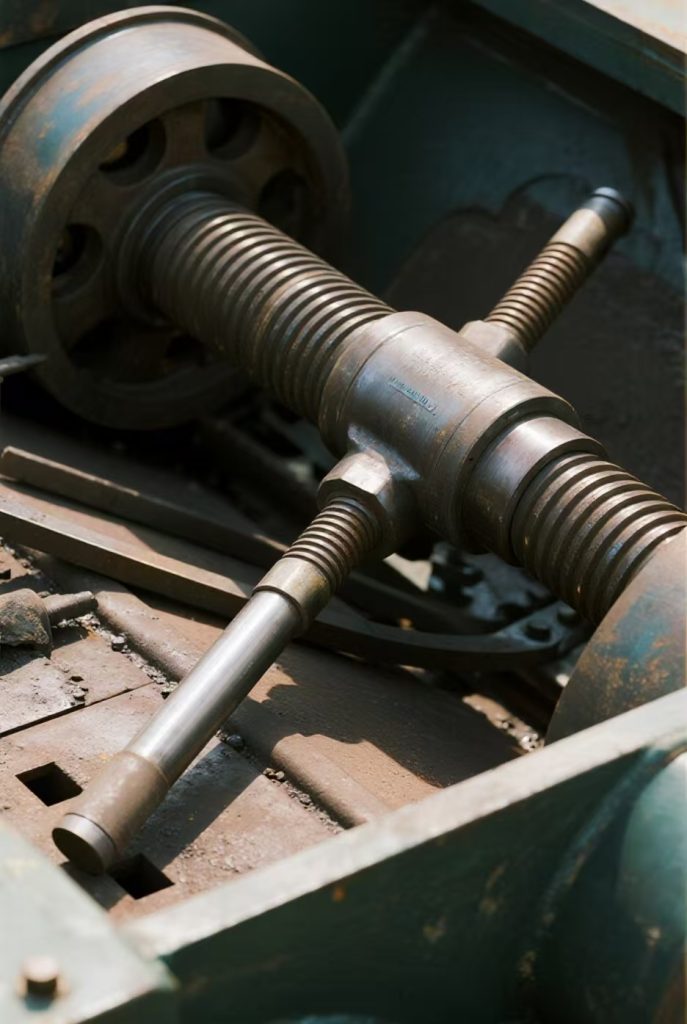
What Makes Jaw Stock Essential to Crusher Structural Integrity
Absorbing the Reactive Force of Fragmentation
To withstand the reactive force produced each time rock is fractured between the crushing plates, jaw stock is designed with high strength and rigidity. This skeletal backbone keeps the jaw assembly stable even when it is hit over and over again. When the jaw stock is stable, vibrations aren’t passed through the frame as much. This means that the crusher doesn’t need to be serviced as often to fix misalignment or wear caused by strain.
Supporting the Jaw Plate Assembly Under Load
There is a jaw stock behind each breaking plate that takes the mechanical stress from the moving jaw. When plates are put under pressure, they move if the jaw stock doesn’t fit properly. This speeds up uneven wear. Manufacturers depend on exact measurement limits to make sure the unit stays in place. This keeps the output steady and reduces the need for emergency crusher service.
Maintaining Structural Alignment During Operation
The way the crushing force is spread out depends on how well the jaw stock and other frame parts are aligned. When balance isn’t right, stress builds up, which causes cracks to appear before they should. A well-machined jaw stock keeps tolerances tight over months of use. This means that the crusher doesn’t need as much unplanned maintenance and throughput is more stable and predictable.
How Jaw Stock Material Selection Affects Crushing Efficiency
High Manganese Steel for Impact Resistance
Jaw stock is frequently made from high-quality steel, such as high manganese steel, which is chosen for its capacity to work-harden after being repeatedly struck. Because of this property, the surface gets tougher as it is crushed, which greatly increases the component’s life. When working with abrasive ore, operators benefit from not having to replace parts as often, which keeps production schedules on track.
High Carbon Steel for Rigidity and Strength
Another material that can be used for jaw stock is high carbon steel, which is known for being strong and stable in size even when loaded for a long time. This mix of chemicals helps the part stay in place when crushing thick material. High carbon steel jaw stock is strong and doesn’t wear down easily, so it lets you go longer between crusher service visits while keeping the breaking pressure the same across the jaw plate assembly.
Corrosion Resistance for Harsh Site Conditions
Every day, parts of crushers are exposed to water, dust, and chemical waste in mines and quarries. Even after being exposed to severe weather conditions for an extended period of time, jaw stock made of corrosion-resistant steel keeps its structural integrity. This resistance keeps load-bearing areas from getting pits, which helps workers avoid having to use the crusher more often than planned when the material breaks down on wet or coastal job sites.
How Jaw Stock Quality Extends Crusher Service Life and Reduces Downtime
Performance on Harder Rock Applications
Every part in the breaking machine is put under more stress when harder rocks are being processed. Even when the feed material is granite, basalt, or other thick rocks, jaw stock made for high strength and impact hardness functions consistently. This makes it possible for operators to meet throughput goals without having to schedule frequent crusher service during busy production times.
Reducing Unplanned Crusher Service Interruptions
Unplanned downtime costs a lot of money for both big companies that make machines and small service shops. Durable jaw stock makes it less likely that a part will break suddenly, which helps maintenance teams plan more accurately. When jaw stock wear patterns are slow and easy to understand, instead of sudden and annoying, it’s easier to keep track of scheduled crusher service.
Custom Engineering for Diverse Mining and Mechanical Needs
Each crushing operation has its own feed material, tonnage goals, and set-up of equipment. Generic parts don’t fit as well as custom-engineered jaw stock that is matched to specific crusher types. Lead times can vary because some specs need to be confirmed on multiple drawings. Our team works closely with clients to make sure that custom crusher service orders move along quickly.
Conclusion
Jaw stock is one of the most important parts of a crusher because it affects how stable it is, how well it crushes, and how reliable it is in the long run. Using the right material and engineering method lowers structural stress, keeps unexpected crusher service to a minimum, and ensures consistent output in tough mining and tunneling situations. Buying good jaw stock is still one of the most useful things you can do for maintenance.
FAQ
What material is jaw stock typically made from?
Jaw stock is commonly cast using high manganese steel or high carbon steel, both selected for strength, impact resistance, and durability under heavy crushing loads.
How does jaw stock affect crusher performance?
Jaw stock supports the jaw plate assembly, absorbs reactive fragmentation force, and maintains alignment, directly influencing crushing efficiency and overall machine stability.
Can jaw stock be customized for different crusher models?
Yes, jaw stock can be engineered to specific dimensions and load requirements to match different jaw crusher models and site conditions.
How often does jaw stock need crusher service?
Service intervals depend on rock hardness and operating hours, but quality jaw stock generally reduces the frequency of unplanned crusher service.
Is jaw stock suitable for harder rock applications?
Jaw stock built with high-strength, corrosion-resistant steel performs reliably even when processing harder aggregates like granite and basalt.
Get a Quote for Custom Jaw Stock
Looking for reliable, custom-engineered jaw stock built to match your crusher’s exact specifications? Xian Huan-Tai Technology and Development Co., Ltd. brings 30 years of industry experience, a professional production team, and dedicated technical support to every order. From material selection to final inspection, our team manages quality throughout the entire production process. Contact us at inquiry@huan-tai.org to discuss your requirements and get a customized jaw stock solution that fits your crushing operation.
References
- Gupta, A., & Yan, D. S. Mineral Processing Design and Operations: An Introduction. Elsevier.
- Wills, B. A., & Finch, J. A. Wills’ Mineral Processing Technology. Butterworth-Heinemann.
- Lynch, A. J. Comminution Handbook. Australasian Institute of Mining and Metallurgy.
- King, R. P. Modeling and Simulation of Mineral Processing Systems. Society for Mining, Metallurgy, and Exploration.
- Napier-Munn, T. J., Morrell, S., Morrison, R. D., & Kojovic, T. Mineral Comminution Circuits: Their Operation and Optimisation. Julius Kruttschnitt Mineral Research Centre.
