
A crusher dust seal is a small part that has a huge effect on how well the machine works. Fine gritty particles move into the bearing housing and greasing system when it fails. This speeds up interior wear so much that the whole breaker may have to be shut down. It only takes minutes a day to check the dust seal, but it saves parts that cost thousands of dollars further down the line. This guide tells you what to look for, how to understand what you find, and what to do next.
What to Inspect on a Crusher Dust Seal Every Day
Check for Visible Wear, Cracking, or Deformation
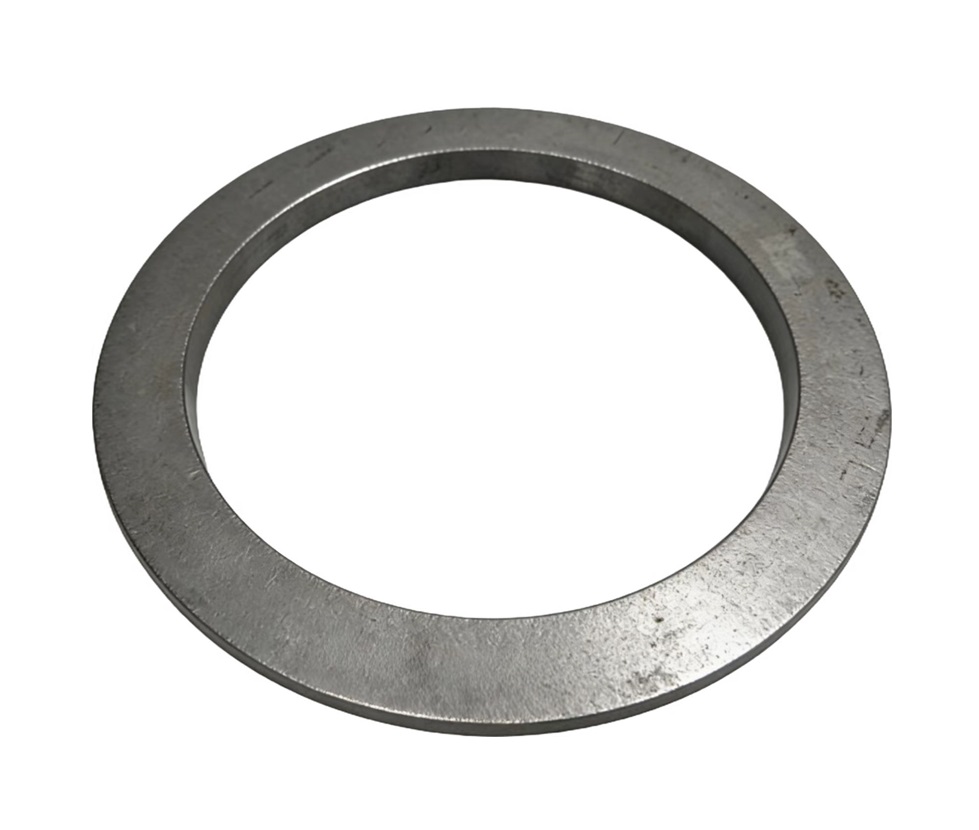
During a daily walkdown, the first thing to check is how the dust seal ring is holding up. Along the closing lip, look for surface cracks, material loss, or changes in shape. A dust seal made of high manganese steel or high-chrome alloy steel is made to handle wear and tear and compression loads. But even good materials have service limits that can be seen every day to help you figure out when they’ll break.
Look for Dust Leakage Trails Around the Seal Zone
One of the most obvious signs that the sealing has been weakened is fine dust building up around the base of the dust seal housing. In mining and gravel settings, even a small hole in the dust seal lets tiny particles regularly get past the barrier. This dirt gets into the bearings and grease ducts over the course of a shift. If you look every day for leaks and find them early, you can stop what starts as a seal problem from turning into a job to replace the bearings.
Verify That the Seal Sits Flush and Concentric
A dust seal that has shifted, tilted, or seated unevenly will not maintain uniform contact pressure around its full circumference. This condition often develops gradually after installation or following a high-impact loading event inside the crusher. Part of an effective daily check is confirming that the seal profile remains correctly positioned — a quick visual pass is usually enough to identify misalignment before it accelerates wear on both the seal and the adjacent running surface.
How Operating Conditions Affect Dust Seal Performance
Feed Material Characteristics and Dust Volume
The volume and particle size of airborne dust inside a crusher is directly tied to what’s being processed. Hard, fine-grained ores generate significantly more dust than softer, coarser feed material. A dust seal operating under high dust-load conditions needs more frequent inspection intervals. Knowing your material characteristics helps maintenance teams calibrate how closely the dust seal should be monitored on any given shift or campaign.
Water and Slurry Contamination Risks
In wet crushing environments or operations using water suppression systems, the dust seal faces a different challenge — water and fine slurry can infiltrate the seal interface from the outside. A quality dust seal in mining applications should maintain contact pressure in both dry and wet conditions. Daily checks in these environments should include looking for slurry residue buildup at the seal face, which can harden over time and compromise seal movement.
Temperature and Thermal Cycling Effects
Crushers in heavy mining service go through repeated thermal cycles — heating during production and cooling during standstill periods. This cycling affects the dimensional stability of the dust seal over time, particularly at the interface between the seal ring and its housing. A dust seal that fits correctly when cold may behave differently at operating temperature. Monitoring any changes in fit, gap, or contact quality during daily inspections builds a useful picture of how thermal exposure is affecting seal condition.
When to Replace and How to Source a Quality Dust Seal
Knowing the Right Time to Change the Seal
Waiting for a dust seal to fail completely before replacing it is a costly approach. The better practice is to establish a replacement interval based on operating hours, material abrasiveness, and the wear rate observed during daily checks. When inspection reveals consistent dust leakage, visible material loss on the seal surface, or loss of contact pressure, replacement should be scheduled promptly — not deferred to the next major service.
Material Selection for Replacement Dust Seals
Dust seals for crusher applications are typically manufactured from high manganese steel or high-chrome alloy steel, depending on the dominant wear mechanism. High manganese steel suits conditions where impact loading is significant alongside abrasion. High-chrome alloy steel performs well where fine, highly abrasive particles are the primary threat. Matching the replacement dust seal material to your operating conditions — not just the machine model — is what determines how well the part performs in service.
Lead Times and Planning Replacement Inventory
Standard dust seal profiles can often be turned around in a reasonable timeframe. Custom dust seal dimensions — particularly for older machines or non-standard crusher configurations — may involve drawing confirmation, material sourcing, and production scheduling that extends the timeline. Planning seal replacement proactively, rather than ordering under breakdown pressure, gives suppliers the lead time needed to deliver parts that meet your full specification.
Conclusion
Daily dust seal checks are a low-effort, high-return maintenance habit. Catching wear, leakage, or misalignment early protects bearings, lubrication systems, and overall crusher reliability. Pair consistent inspection with the right replacement material — high manganese steel or high-chrome alloy steel — and you turn a small consumable component into a reliable line of defense for your entire crusher drive system.
FAQ
Q1: What materials are crusher dust seals made from?
Crusher dust seals are typically manufactured from high manganese steel or high-chrome alloy steel. The choice depends on whether impact loading or fine-particle abrasion is the dominant wear factor in your application.
Q2: How often should a crusher dust seal be replaced?
Replacement interval depends on operating hours, feed material abrasiveness, and daily inspection findings. Proactive replacement based on observed wear is more cost-effective than waiting for failure.
Q3: Can a dust seal failure damage other crusher components?
Yes. A compromised dust seal allows fine abrasive particles to reach bearings and lubrication systems, causing accelerated internal wear and potentially requiring far more costly repairs.
Q4: Are custom dust seal dimensions available?
Experienced manufacturers can produce dust seals to custom drawings or reverse-engineered samples. Lead times for custom parts depend on drawing confirmation and production requirements.
Q5: What signs during a daily check indicate a dust seal needs immediate attention?
Visible dust leakage trails, surface cracking, material loss on the seal face, or a seal that has shifted out of its correct seated position all warrant prompt action.
Source Your Crusher Dust Seals From a Team That Knows Heavy Industry
At Xian Huan-Tai Technology and Development Co., Ltd., we have spent over 30 years manufacturing customized mechanical parts for mining and engineering operations that demand precision and durability. Our engineering team works from your specifications, and our production team manages quality from raw material through final inspection — every time. Whether you need standard profiles or fully custom dust seal components, we deliver with the consistency your operation depends on. Contact us today at inquiry@huan-tai.org — we’re ready to support your requirements.
References
- Wills, B. A., & Finch, J. A. (2015). Wills’ Mineral Processing Technology: An Introduction to the Practical Aspects of Ore Treatment and Mineral Recovery (8th ed.). Elsevier.
- Bearman, R. A., & Briggs, C. A. (1998). The active use of crushers to control product requirements. Minerals Engineering, 11(9), 849–859.
- Mobley, R. K. (2002). An Introduction to Predictive Maintenance (2nd ed.). Butterworth-Heinemann.
- Bloch, H. P., & Geitner, F. K. (2012). Practical Machinery Management for Process Plants: Machinery Failure Analysis and Troubleshooting (4th ed.). Elsevier.
- King, R. P. (2001). Modeling and Simulation of Mineral Processing Systems. Butterworth-Heinemann.
