
It’s not as easy as matching a catalogue number when buying jaw crusher parts for a mine. It’s important that the right jaw plate, hinge parts, shaft, and wear parts are used with the right crusher, rock, feed size, and duty cycle. This guide shows you how to check the details, look at more than just price, and ask for a custom repair with fewer surprises.
Start With the Machine, Not the Catalogue
Identify the Crusher and Exact Component
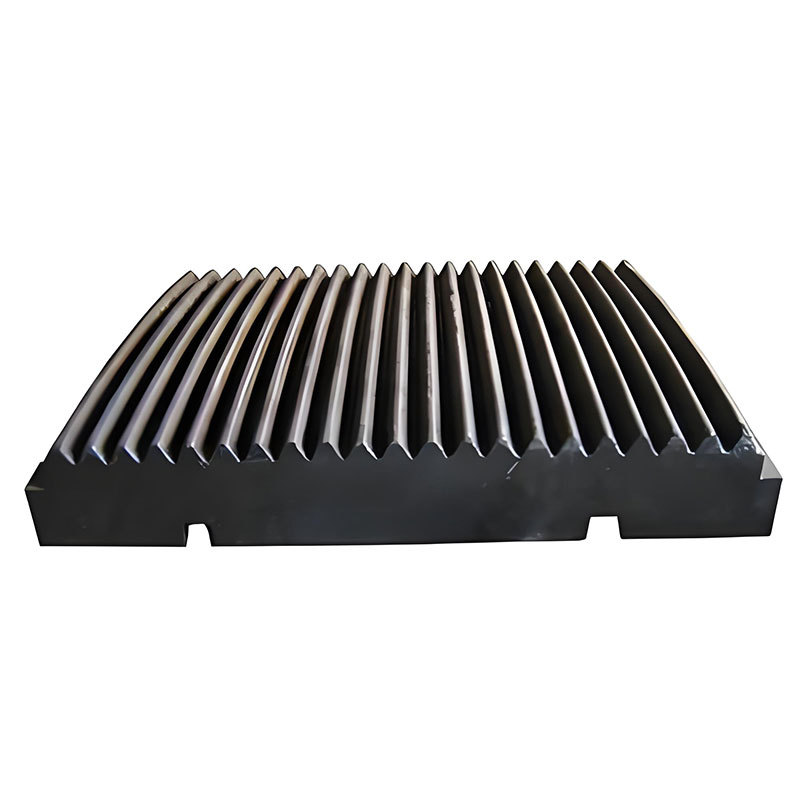
Get the make, model, serial number, and parts diagram of the crusher to start. The jaw plate that stays in place and the plate that moves make up the crushing chamber. The cheek plates protect the side walls, and the toggle plate, seats, wedges, and tension parts each do their own job. Find out if you need a single plate, a pair that goes together, or the hardware that goes with them. Parts that look the same don’t always work with different types.
Describe the Rock and Operating Duty
Write down the type of rock and how hard it is, as well as the goal product size, operation setting, output, and whether the feed is wet, rough, or chemically active. These things affect the shape of the teeth and how they are likely to wear in a compression chamber. Huan-Tai says that its jaw plate can handle harder rock and won’t rust. Make sure that the proposed grade works with your ore and the conditions of the site.
Use Wear Evidence to Confirm Dimensions
Send an approved plan or a clear model that shows the size, position of the mounting holes, tooth pitch, shape, and direction. Add pictures of the jaw plate in place and the worn areas, along with notes about any uneven wear or fit issues. Check the revision of the drawing and the units of measurement before making the product. If you give a sample, make sure it matches the crusher assembly so that a part that has been changed in the past isn’t copied without checking it first.
Validate Material, Fit, and Manufacturing Controls
Select Steel for Impact and Abrasion
The material choice should be based on the specifications set by the crusher’s maker and the real feed. Huan-Tai can make a jaw plate out of certain types of high-quality steel, like high-carbon steel or high-manganese steel. For impact wear, the right grades of high manganese metal are usually used, and they may work-harden under the right crushing conditions. The grade, heat treatment, feed, and settings all have an effect on the service life. Write down what you want the grade to be.
Check Strength, Rigidity, and Inspection Scope
When hard rocks are crushed, they send repeated reaction forces through the chamber. This means that the plate section, the quality of the casting, the heat treatment, and the seats all play a role. A jaw plate that is strong and rigid enough is made to take a hit while still being supported properly. Before production starts, agree on the most important dimensions, how to identify the material, how to machine it, and where to check it. These checks help find out if the given part meets the required standards, not just if the name of the material sounds right.
Specify Companion Components Separately
Keep the jaw plate and the parts next to it on different specs. The toggle plate is made of high-manganese steel, not carbon steel, as Huan-Tai asked for. For dust rings, high-manganese or high-chromium alloy steel can be used. For crusher springs, spring steel, high-strength steel wire, or carbon steel can be used. Forging should be chosen when ordering a main shaft; rackbar is usually made of alloy steel. Make sure you know each grade and interface.
Make the Purchase Work on Cost and Schedule
Compare Total Value, Not Just Price
See what other offers are out there for the same drawing change and scope. Not only look at the unit price, but also the cost of the material, the work that needs to be done, the inspection paperwork, the packing, the freight, the fit, the expected wear, and the cost of an unexpected stop. A cheap jaw plate can end up costing you a lot if it needs to be fixed or causes downtime that could have been avoided. Fit and quick communication may be most important to repair shops, while OEM buyers may also need traceability and clear inspection records.
Set Approval Gates Before Agreeing on Timing
When making something custom, you need a plan based on accepted information, not just a promise. Changes to the drawings, checking samples, the routes for casting and machining, and the need for inspections can all slow things down. For a jaw plate order, agree on checkpoints for approval of the drawing, confirmation of materials and process, inspection, and updates on when the order will be sent. Early on, talk about maintenance windows and ask the supplier to quickly identify any risks. Once the scope is clear, confirm when the delivery is expected.
Choose a Supplier With Engineering and Quality Support
Find out who looks over the drawing, answers questions about performance, checks the quality of the work, and shares inspection results. With the help of technical, production, and inspection teams, Xian Huan-Tai Technology and Development Co., Ltd. has been customising non-standard mechanical parts for 30 years. This teamwork brings together fit, process control, and schedule management for a jaw plate repair, especially when a normal stock part doesn’t meet the need.
Conclusion
When you buy jaw crusher parts, don’t just look at the price. Think about engineering and maintenance. Find the machine and its job, make sure the material and profile of the jaw plate match the approved specification, and check the fit and quality controls before production. Compare quotes that are similar, agree on the steps for approval, and set up a time for updates. Repair teams and OEM buyers can better handle costs, downtime, and supply risk when they have clear information.
FAQ
What information should go with an inquiry about a jaw plate?
Give the make, model, serial number, dimensions, rock and feed conditions, wear photos, and the inspection needs for the crusher.
What kinds of steel are there?
Huan-Tai can make the jaw plate out of high-carbon steel or high-manganese steel that you tell them to. Check that your crusher’s grade and heat treatment are correct.
Can I just order by size of crusher?
It’s not safe. Before accepting production, check the shape, mounting measurements, position, and any changes to the drawings.
How can I guess when the replacement will happen?
Keep track of measurements of wear, throughput, settings, and feed conditions. Use site data and the breaker instructions rather than assume a uniform service life.
Can Huan-Tai make a replacement that fits my needs?
Yes. The technical team can review drawings and performance requirements; timing is confirmed after design, process, and inspection details are agreed.
Let’s Build Your Parts List Together
Replacing a worn jaw plate or sourcing parts for a mining machine? Contact Xian Huan-Tai Technology and Development Co., Ltd., a China-based producer with 30 years of special non-standard mechanical-parts experience. Share your drawing, crusher model, service conditions, and quality requirements. Our expert team can review performance needs, while production and testing teams control quality throughout manufacturing. We provide responsive service and schedule coordination, with timing confirmed after design review. Start your question at inquiry@huan-tai.org.
References
- Wills, Barry A., and James Finch. Wills’ Mineral Processing Technology: An Introduction to the Practical Aspects of Ore Treatment and Mineral Recovery. 8th ed. Butterworth-Heinemann, 2016.
- Gupta, Ashok, and Denis S. Yan. Mineral Processing Design and Operations: An Introduction. 2nd ed. Elsevier, 2016.
- Dunne, Robert C., S. Komar Kawatra, and Courtney A. Young, eds. SME Mineral Processing and Extractive Metallurgy Handbook. Society for Mining, Metallurgy & Exploration, 2019.
- King, R. P. Modeling and Simulation of Mineral Processing Systems. Butterworth-Heinemann, 2001.
- Davis, Joseph R., ed. ASM Specialty Handbook: Carbon and Alloy Steels. ASM International, 1996.
