
Impact Crusher Rotor Replacement Guide for Industrial Applications outlines practical strategies for keeping crushing equipment in top condition across mining and construction sites. Rotors face constant high-impact forces, so knowing replacement signs and methods is essential. This resource supports purchasing and production managers in choosing quality options that deliver reliability without excessive costs in daily operations.
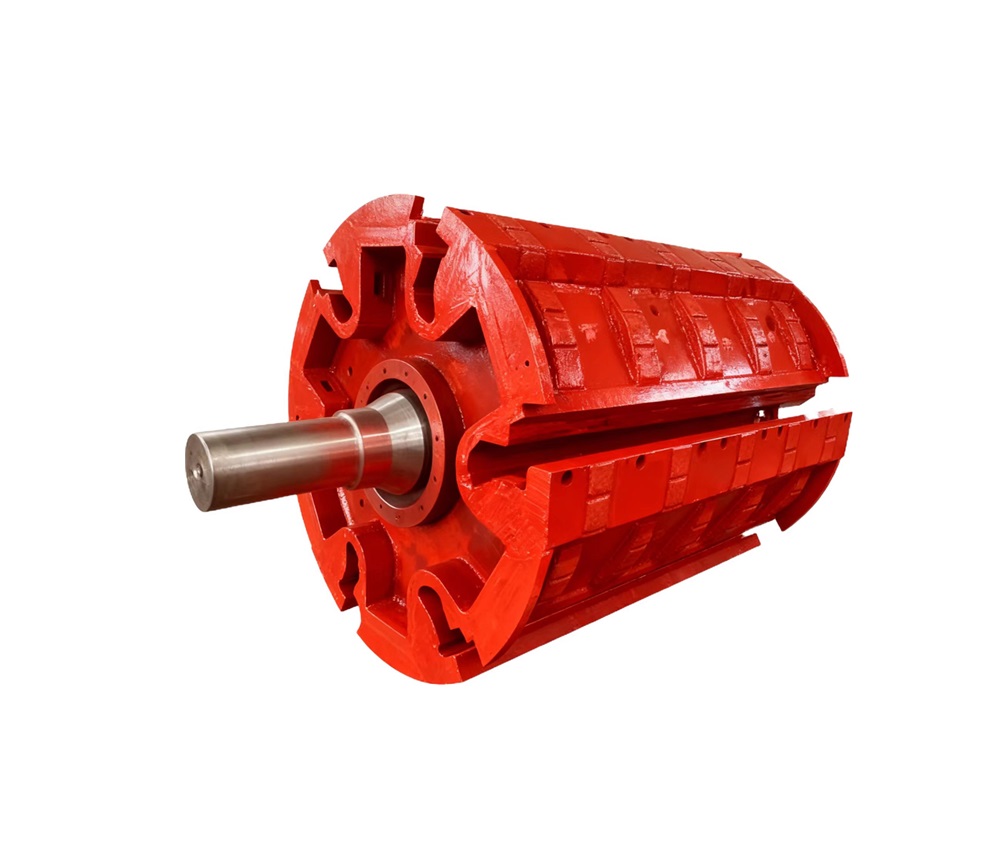
Identifying When Impact Crusher Rotors Need Replacement
Detecting Physical Damage on Rotors
Operators in mining and construction often notice cracks or chips on Rotors after extended use in high-impact crushing. These Rotors, typically crafted from high-manganese steel through V-method casting, provide good fracture resistance but wear over time. Identifying such damage promptly avoids further equipment strain. Professional teams recommend scheduled inspections to determine replacement timing based on operational hours and material hardness. Early action keeps production on track for both small repair companies and larger manufacturers.
Monitoring Operational Efficiency Declines Related to Rotors
A drop in crushing output or increased energy consumption frequently points to worn Rotors in impact crushers. Rotors constructed from alloy steel or composite materials via lost-wax method maintain precision but lose effectiveness when unbalanced. Production managers track these metrics to decide on replacements. This approach supports on-time delivery of custom parts without compromising quality in larger manufacturing setups. Consistent monitoring also reduces overall maintenance expenses in the long run.
Evaluating Vibration and Noise Increases from Rotors
Unusual vibrations or louder operation often indicate imbalanced or damaged Rotors requiring attention. High-chromium cast iron Rotors excel in impact force resistance yet may cause these symptoms if not replaced timely. Repair companies with smaller teams benefit from early detection to minimize downtime. Casting processes like resin sand help achieve the dimensional accuracy needed for smooth Rotors function in heavy-duty environments. Addressing these signs early prevents more serious mechanical problems down the line.
Steps Involved in Replacing Impact Crusher Rotors
Gathering Tools and Safety Measures for Rotor Replacement
Before starting, gather appropriate tools and ensure lockout procedures to safely handle Rotors in industrial crushers. Rotors of high-manganese steel demand careful handling due to their weight and strength. Safety gear protects workers during the process. Following these preparations allows for efficient replacement, aligning with the needs of production managers focused on quality control and schedule adherence. Proper planning here contributes to smoother operations afterward in challenging industrial settings.
Removing Old Rotors and Installing New Ones
Disassembly involves loosening fasteners and extracting worn Rotors using lifting equipment suited for heavy components. New Rotors, often alloy steel castings, fit precisely when manufactured with lost-wax techniques. Alignment is critical to prevent future issues. This step requires experienced technicians to guarantee proper seating, supporting the high expectations for consistency in overseas customer projects. Careful execution here maintains the integrity of the entire crushing system.
Verifying Balance and Function After Rotor Installation
Post-installation, check the balance of Rotors to avoid vibrations that could damage the crusher. Composite material Rotors provide excellent fracture resistance in high-strength settings. Run initial tests at reduced loads. Professional inspection teams use advanced methods to confirm reliability, ensuring the replacement meets performance requirements for both small repair firms and large machinery manufacturers. This verification step is vital for predictability in operations involving customized parts.
Selecting Suitable Materials for Impact Crusher Rotors
Advantages of High-Manganese Steel for Rotors
High-manganese steel Rotors offer superior toughness and work-hardening properties ideal for abrasive crushing tasks. These Rotors resist impact forces effectively in mining machinery. Combined with other materials like high-chromium cast iron, they suit diverse needs. The 30 years of industry experience helps in customizing such Rotors to client specifications for stability and predictability. Such materials are selected to handle the demands of engineering and mining mechanical accessories.
Precision Casting Methods for Durable Rotors
Lost-wax, resin sand, and V-method casting produce Rotors with high dimensional accuracy essential for industrial applications. Alloy steel Rotors benefit from these techniques to withstand high-load environments. Quality control throughout production ensures consistency. This manufacturing approach meets the high expectations for customized non-standard mechanical parts. Experienced manufacturers use these to deliver reliable Rotors that perform well under pressure in mining operations, resulting in fewer replacements over time.
Customization Options for High-Performance Rotors
Clients can specify Rotors from various materials including high-chromium cast iron for specific crushing demands. These Rotors exhibit excellent resistance to fracture, suitable for high-strength work. Technical teams collaborate on designs to fulfill quality needs. With a professional production process, replacements arrive according to agreed schedules, helping smaller companies manage costs while larger ones maintain strict standards. This flexibility allows adaptation to different client requirements without sacrificing reliability.
Conclusion
Replacing Impact Crusher Rotors promptly using quality materials like alloy steel and proper casting methods enhances operational reliability. Following this guide helps industrial users achieve better efficiency and safety. Partnering with experienced manufacturers ensures customized solutions that balance price, quality, and delivery for diverse machinery needs in mining and construction.
FAQ
Q: How do I know when to replace the Rotors in my impact crusher?
A: Watch for physical damage like cracks on Rotors, along with lower output and more vibration during operation.
Q: What materials are recommended for durable Impact Crusher Rotors?
A: High-manganese steel, alloy steel, high-chromium cast iron, or composites are used for Rotors due to their impact resistance.
Q: Why is the casting process important for replacement Rotors?
A: Lost-wax, resin sand, and V-method casting give Rotors precise dimensions and strength for industrial applications.
Q: Is it possible to get custom-sized Rotors for unique equipment?
A: Absolutely, with technical support, custom Rotors can be made to fit specific requirements and drawings.
Q: How long does it take to receive new Rotors?
A: Delivery varies based on customization, drawing confirmations, and production processes, but we manage schedules effectively.
Looking for dependable Rotors for your impact crusher?
Xian Huan-Tai Technology and Development Co., Ltd., a professional manufacturer since the mid-90s, offers customized parts with 30 years of industry experience. Benefit from our excellent service, quality-focused production team, and technical expertise that satisfies diverse client needs. Our capabilities in engineering and quality control meet high expectations for stability. Send your inquiry to inquiry@huan-tai.org and let us help you achieve consistent performance in industrial applications. Contact us to start the conversation today.
References
- Wills, B. A., and Finch, J. A. (2016). Wills’ Mineral Processing Technology.
- Gupta, A., and Yan, D. S. (2016). Mineral Processing Design and Operations.
- Mular, A. L., Halbe, D. N., and Barratt, D. J. (2002). Mineral Processing Plant Design, Practice and Control.
- Napier-Munn, T. J. (1996). Mineral Comminution Circuits: Their Operation and Optimisation.
- Kelly, E. G., and Spottiswood, D. J. (1982). Introduction to Mineral Processing.
