
In mines and quarries, workers depend on long-lasting impact crusher parts to keep crushing lines going even when they are under constant, rough stress. Wear plates are one of the most important parts because they protect internal surfaces from being hit by other materials. Choosing the right materials and making sure they are made well are crucial for the long-term reliability of the equipment.
What Makes Impact Crusher Parts Suitable for Mining and Quarry Environments
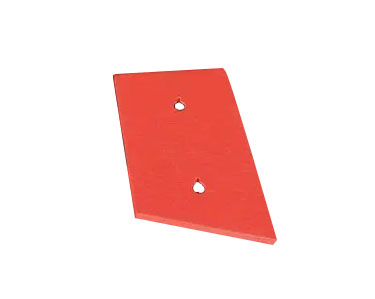
Wear Plates and Liner Protection Against Abrasive Material
Crushers in mines and quarries work with very rough rock, sand, and metal, which wears down the inside of the machine over time if it is not secured. As a last line of defense, wear plates soak up friction and impact before they reach important structural parts. Quality wear plates, which are usually made of high-manganese steel or high-chromium cast iron, make tools last longer and require less upkeep, which is especially important in heavy-duty crushing operations.
Blow Bars for Rotor Impact Performance
In impact crushers, the main breaking force comes from blow bars that are attached to the machine and hit the material over and over again at a high speed. Blow bars must be made from high-manganese steel, alloy steel, or high-chromium cast iron so they don’t break or chip when they’re constantly hit. When used with wear plates that are properly maintained, blow bars make sure that the particle size is reduced consistently over long, hard mining and quarry production cycles.
Forged Main Shaft for Structural Support
The main shaft supports the whole rotor assembly and needs to be able to handle rotational stress without deflection or wearing out. Forging is used to make main shafts instead of casting them, which improves the internal grain structure and overall strength. The core assembly of the crusher stays stable during long periods of high-load quarry work thanks to a properly forged shaft, long-lasting wear plates, and housing liners.
Choosing the Right Wear Plates and Other High-Wear Components
High-Manganese Steel for Extreme Abrasion Resistance
A lot of people like high-manganese steel for wear plates because it work-hardens when hit over and over, making it more immune to surface wear over time. Manganese steel wear plates are great for mines that need to crush hard rock ore because they strengthen on their own. Their toughness makes them less likely to crack than more fragile materials that would crack in the same high-impact situations.
High-Chromium Cast Iron for Hardness Under Impact
High-chromium cast iron has a harder surface than low-chromium cast iron for uses where abrasion wear is more important than impact shock. This material is good for making wear plates that work well in dry, sandy, or very rough mining conditions where friction is more important than quick impact loads. The abrasion-to-impact ratio at each job site is a big part of choosing between manganese steel and high-chromium cast iron wear plates.
Alloy Steel for Balanced Toughness and Wear Resistance
Alloy steel is a good compromise because it is both hard and flexible enough to handle mild shocks without breaking. Because of this, alloy steel is a good choice for toggle plates, rackbar parts, and some wear plates used in lighter-duty quarry applications. Buyers should carefully consider the working conditions because material performance changes a lot based on the amount of load and the rough content.
Partnering with a Manufacturer for Custom Impact Crusher Parts
Casting Precision and Dimensional Accuracy
Wear plates and other cast parts must be precisely matched in dimensions to fit properly because crusher models change between makers. When making something, casting methods like lost-wax casting, resin sand casting, or V-method casting help make sure that the tolerances are correct. Dimensional accuracy directly affects total crusher performance and part life because poorly fitting wear plates create holes that speed up wear elsewhere.
Quality Control Across Production Stages
Impact crusher parts that work well rely on inspections during casting, heat treatment, and final finishing, not just one check at the end. Suppliers who are in charge of quality control throughout the whole production process find and fix any problems with measurements or materials before they are shipped. When mining companies replace a lot of wear plates at once, regular quality control lowers the chance that they will get batches that don’t match or aren’t up to par.
Customization and Delivery Planning for Non-Standard Parts
A lot of quarry owners use older or modified crusher models that need wear plates and structural parts that aren’t standard. Depending on how complicated the parts are, making them often requires confirmation of technical drawings and material checks, which can add time to the production process. Buying teams can make more accurate delivery plans when they work with suppliers who have experience with custom manufacturing. This keeps crushing operations running smoothly.
Conclusion
Reliable impact crusher performance depends on selecting properly engineered wear plates, blow bars, and forged shafts suited to specific mining and quarry conditions. Material choice and manufacturing precision directly influence equipment longevity, making supplier expertise essential for consistent, long-term production results.
FAQ
Q1: What material lasts longest for wear plates in quarry crushers?
A1: High-manganese steel wear plates typically last longer under heavy impact, while high-chromium cast iron performs better against pure abrasive wear.
Q2: Can wear plates be customized for older crusher models?
A2: Yes, wear plates can be manufactured to match specific dimensions based on technical drawings for older or modified equipment.
Q3: How do blow bars differ from wear plates?
A3: Blow bars strike material directly to crush it, while wear plates protect internal housing surfaces from abrasive contact.
Q4: Is the main shaft cast or forged?
A4: Main shafts are forged, not cast, to achieve stronger internal structure for rotational load support.
Q5: How long does custom wear plate production take?
A5: Timelines vary depending on drawing confirmation and casting complexity, with fully customized orders requiring additional production time.
Let’s Discuss Your Impact Crusher Parts Needs
With 30 years of experience supplying customized mechanical parts, Xian Huan-Tai Technology and Development Co., Ltd. helps mining and quarry operators source dependable wear plates, blow bars, and shafts. Our engineering team, dedicated quality control process, and responsive service ensure every part meets your specifications. Send us your drawings or worn samples today at inquiry@huan-tai.org and let’s build a lasting solution together.
References
- Wills, B. A., & Finch, J. A. (2015). Wills’ Mineral Processing Technology. Butterworth-Heinemann.
- Gupta, A., & Yan, D. S. (2016). Mineral Processing Design and Operations. Elsevier.
- Lowrison, G. C. (1974). Crushing and Grinding: The Size Reduction of Solid Materials. Butterworths.
- Napier-Munn, T. J., Morrell, S., Morrison, R. D., & Kojovic, T. (1996). Mineral Comminution Circuits: Their Operation and Optimisation. JKMRC.
- Prasad, S. (2011). Maintenance of Mining Machinery and Equipment. Allied Publishers.
